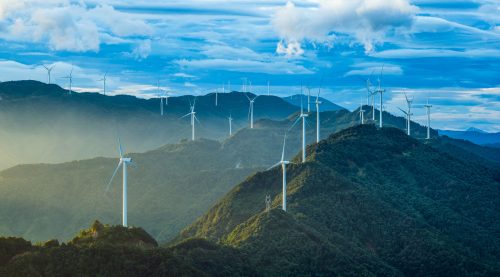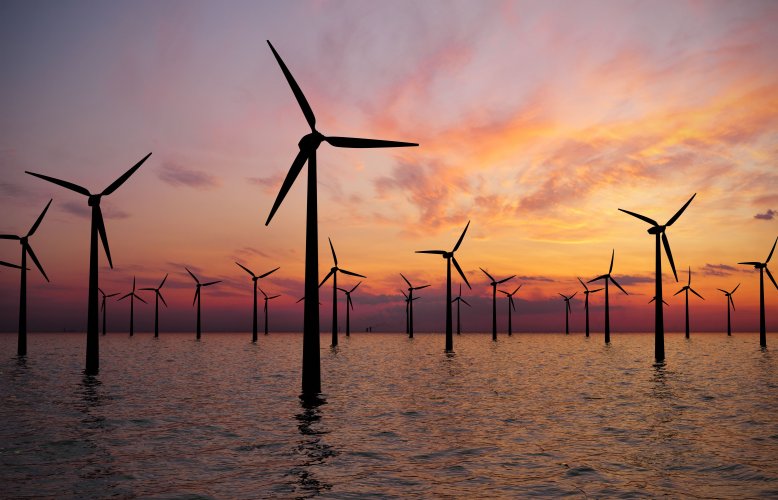
The Netherlands, Denmark, Germany and Belgium have signed an agreement to increase offshore wind power to 65 gigawatts in the North Sea in 2030 and to 150 gigawatts by 2050.
The countries will also set up a joint network to supply electricity to shore, according to Afkenel Schipstra, ENGIE's senior vice president of business development at LinkedIn.
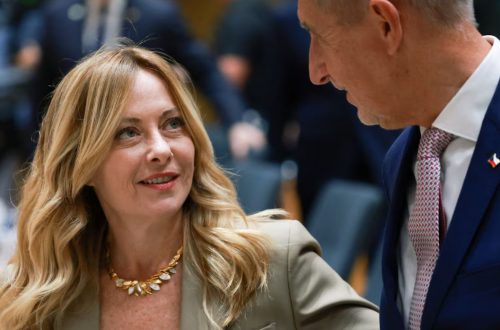
The energy ministers of the four countries, Tinne van der Streten, Rob Jetten, Robert Habek and Dan Jorgensen, signed several bilateral declarations outlining their ambitions for green hydrogen and the creation of new energy islands in the North Sea.
Part of the electricity generated by offshore wind farms will be used to produce hydrogen, to compensate for the use of fossil fuels in industry.
Danish Prime Minister Meter Frederiksen has said that four EU countries that will build offshore wind farms on the North Sea coast will quadruple overall offshore wind energy by 2030 and ten times by 2050.
"Total production is more than half of the capacity target for the entire 27-nation bloc in the EU's strategy for renewable energy on the shelf, which was unveiled in November 2020," said Schipstra.
We will remind, Denmark accelerate energy island projects against the background of the war in Ukraine.
As EcoPoliticа reported earlier, named reasons increase in prices for wind turbines to the level of 2014.