
Every year on 11 November, the world marks International Energy Saving Day. It is an important reminder of the rational use of resources and of the impact our everyday lives have on the environment.
EcoPolitic explains the role of energy saving and the simple steps that will help everyone save resources.
Why we need to save energy
It all depends on the sources we get our energy from. Fossil fuels remain highly relevant for Ukraine, and every kilowatt of electricity or calorie of heat has its own carbon footprint and emissions of other pollutants. We should not forget the extraction of fossil fuels itself, which also has a negative impact on the environment.
Ukrainians have also come to realise the importance of saving energy because of its frequent absence. The enemy persistently and deliberately destroys substations and combined heat and power plants, so electricity and heat reach homes with noticeable interruptions.
There is one more factor – the economic one. And it is not only about utility bills. Given the dependence on fossil fuel supplies, any geopolitical change threatens higher prices and even the loss of imports. Europe felt this in full because of the war in the Middle East and the blockade of the Strait of Hormuz. In the first three months alone, oil prices rose by $20 per barrel. However, renewable energy and electric vehicles made it possible to save billions. For instance, the economic effect of solar power amounted to €136 million per day. And from March to August, electric cars saved countries around the world $20 billion on oil.
Simple ways to save
Energy-efficient habits can become basic for every Ukrainian. Some of them are quite simple, while others require financial investment but pay off over time.
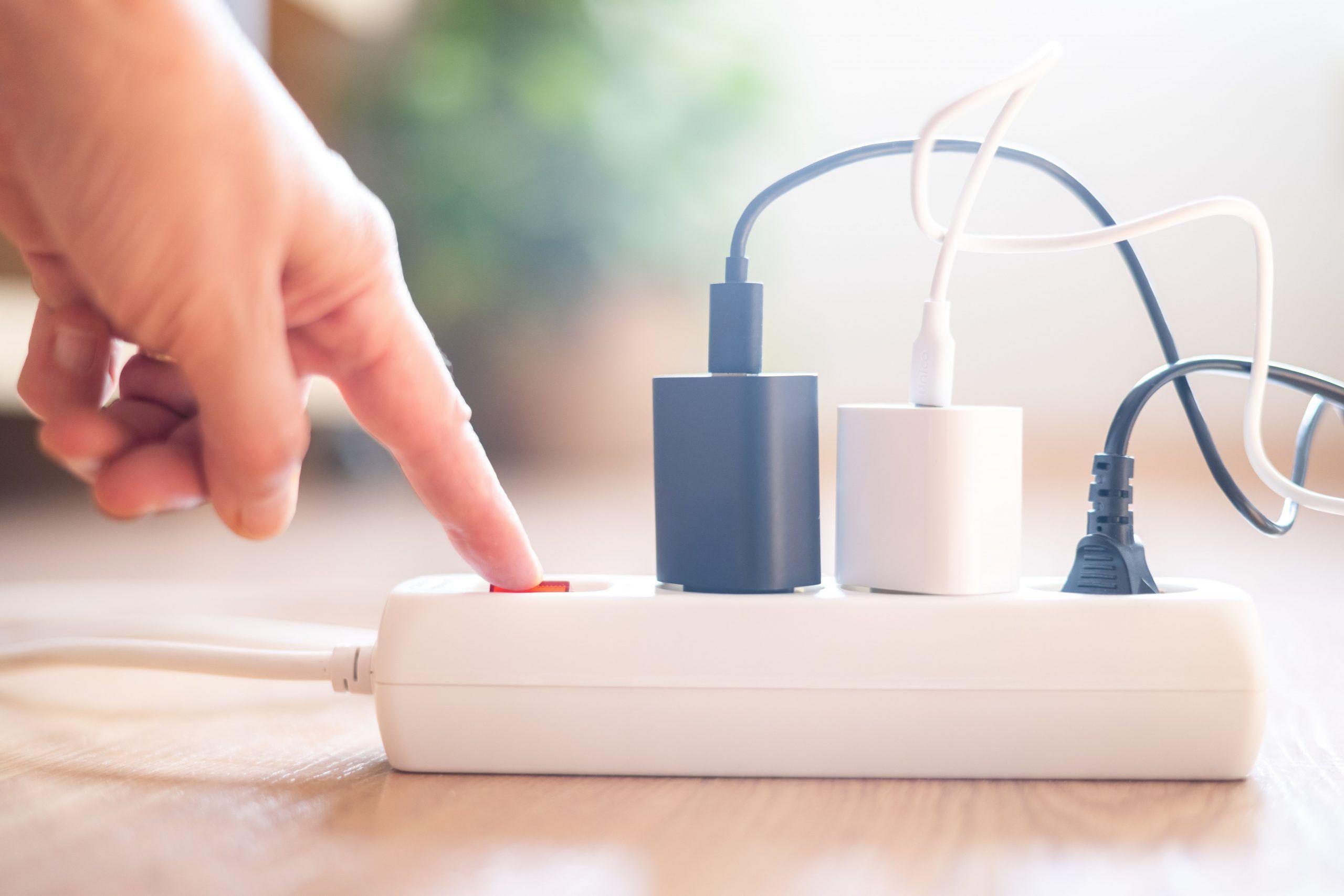
Not using it? Switch it off. This applies to any electrical appliances, as well as lighting in rooms where no one is present. Chargers should also be unplugged once the gadget is charged. Even in standby mode, appliances such as microwaves or TVs can "eat up" to 10% of the bill.
Source: shutterstock
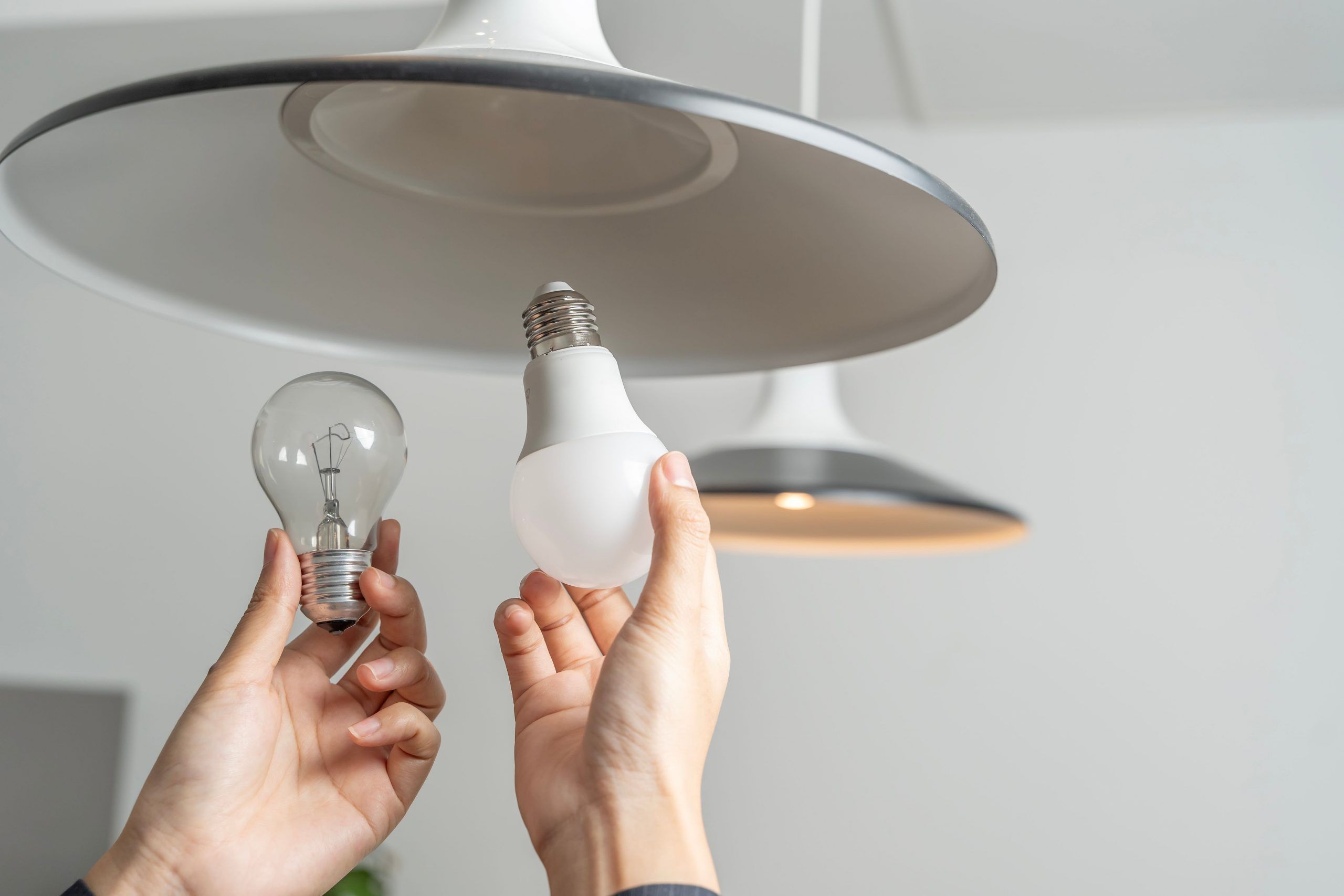
Choose energy-saving devices. Conventional incandescent bulbs should be replaced with LEDs, which consume 8–10 times less energy. When there is plenty of natural light, make do with it.
Source: shutterstock
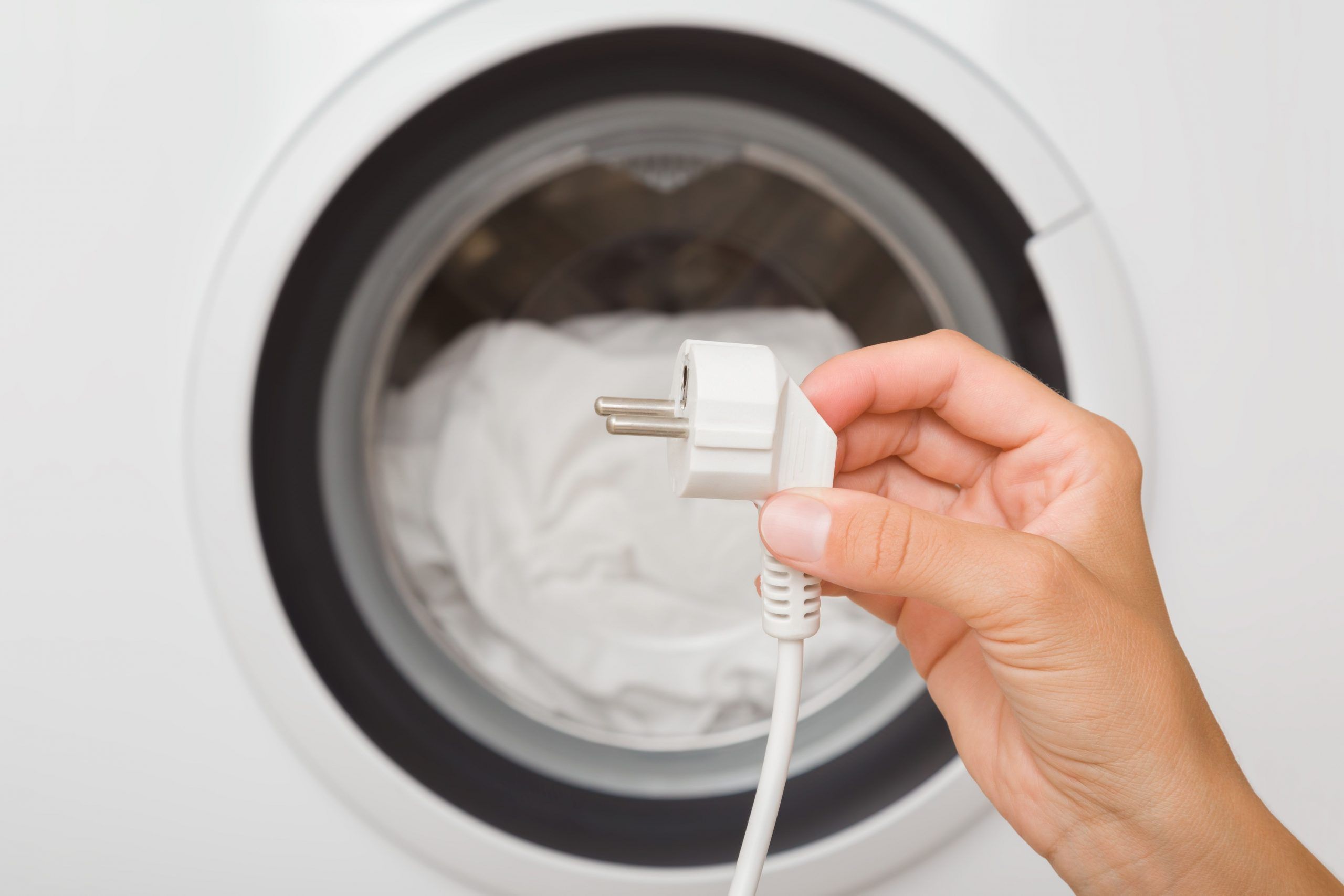
Less often, but more efficiently. It is better to run a washing machine or dishwasher with a full load to save resources.
Source: shutterstock
Insulate your space. Energy-efficient windows and doors, as well as wall and roof insulation, are an effective way to keep heat indoors instead of "heating the street".
Keep the heat in. Ventilating rooms is important even in winter, but instead of leaving the windows ajar for hours, it is better to open them wide for a few minutes.
Peak hours and the night tariff. To avoid putting additional strain on the already exhausted power grid, it is worth limiting the use of powerful appliances from 7 to 11 a.m. and from 5 to 11 p.m. You can save even more by using appliances at night, from 11 p.m. to 6 a.m. This works if you have a two-zone electricity meter.
Take care of your appliances. A dirty air conditioner or vacuum cleaner filter, or limescale in a kettle, can increase the energy these devices consume.
EcoPolitic previously gathered tips for its readers on how to save water.