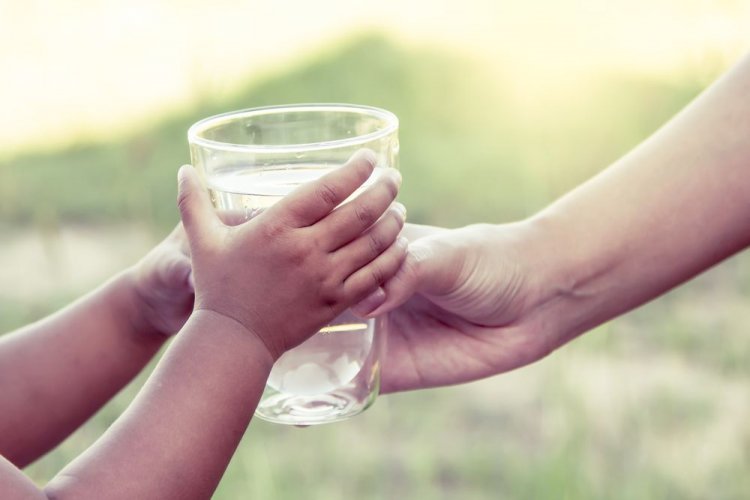
Every Ukrainian uses about 50,000 liters of water per year. These are average figures, as conditions and needs may vary. However, the importance of conserving this resource remains constant. The UN has already declared a global water crisis, and Ukrainian experts are warning of a crisis in Ukrainian regions. So how can we train ourselves to use less water?
EcoPolitic has compiled a list of several seemingly minor habits that can significantly impact water consumption.
Timely plumbing repairs
Faucets, pipes, and toilet tanks don’t always break immediately and irreparably, flooding your neighbors’ homes. Often, it may just be a minor drip. However, if you fix the problem in time, you can save dozens of liters of water.
Also, when buying a toilet tank, it’s better to choose a model with two buttons so you can use it in a water-saving mode.
Water-saving bathing practices
Taking a shower is much more water-efficient than taking a bath. Depending on its shape and size, a bath can hold between 100 and 250 liters. On average, a shower uses one and a half to two times less water.
For showers and other faucets, you can use special attachments—aerators—that mix water with air, thereby conserving resources.
When brushing your teeth or shaving, the water doesn’t need to run continuously from the faucet. It’s better to turn it on only when you actually need it. When brushing your teeth, it’s generally much more convenient to fill a glass with the necessary amount of water.
All these habits save not only water but also the energy used to heat it.
Fill to capacity
Don’t run the washing machine or dishwasher unnecessarily. It’s better to run them only when you have enough clothes or dishes.
At the same time, note that a dishwasher saves about half as much water as traditional hand-washing.
Kitchen tips
If you need to wash some products thoroughly, such as fruits or vegetables, it is better to do this in a bowl rather than under running water.
Some homeowners are in the habit of defrosting products under a stream of water. It is more efficient and safer to simply place them in the refrigerator in advance.
Tips for the garden
Taking climate change into account, you can gradually replace plants in your gardens and flowerbeds with more drought-resistant ones.
If space allows, you can install special systems or simply containers for collecting rainwater, which can later be used for watering.
It is better to water plants in the evening when the heat subsides, which helps reduce water evaporation and allows more moisture to reach the soil. Note that the refraction of sunlight in water droplets may cause burns on some plants, so this habit also protects them from unnecessary damage.
EcoPolitic has previously reported on how to get used to sorting waste and organizing this process.