EU Member States have agreed on a one-year postponement of the methane rules: importers of oil, gas and coal will report emissions of this greenhouse gas from 1 January 2028 instead of 1 January 2027. However, negotiations still lie ahead with the European Parliament, which had previously sought to give producers a three-year delay.
This was reported by Reuters.
The position adopted by the Council of the EU is in line with the European Commission’s proposals. However, if the Commission is unable to demonstrate readiness to implement the regulation, two further one-year delays are possible. This mechanism is also included in the proposal.
The decision is not final, as the Council of the EU and the European Parliament will begin negotiations to reach a joint legal decision.
"Global energy markets are under considerable pressure, leading to rising energy prices across the EU. The Council’s agreement proposes a pragmatic way forward aimed at addressing the challenges on the energy market, while maintaining the EU’s global leadership in reducing methane emissions," said Darragh O’Brien, the Energy Minister of Ireland, which currently holds the EU Presidency.
Energy versus the environment
The United States was the main lobbyist for postponing the EU methane law. However, pressure from France proved decisive for the European Commission. The Union’s executive body stated that, owing to disruptions caused by the war in Iran, implementing the rules could jeopardise the EU’s supply of sufficient fossil fuels.
By 30 September 2027, the Commission must report on the completion of the preparatory measures required for reporting. If this has not been done, implementation of the methane rules will be postponed for another year.
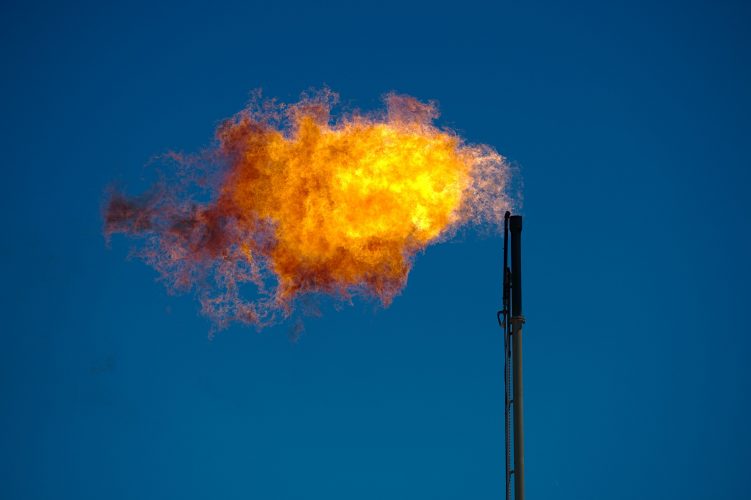
Methane is the second-largest contributor to global warming after carbon dioxide. However, it breaks down more quickly in the atmosphere, so cutting its emissions can have a correspondingly faster effect in limiting the rise in global temperature.
As a reminder, in October MEPs voted to give importers a three-year delay straight away. This led to a kind of split, with opponents of the decision accusing conservatives and the right of playing into the hands of the oil and gas giants.
These concessions may go even further. The media have reported that the International Energy Agency may begin discussing the release of Europe’s strategic oil reserves.