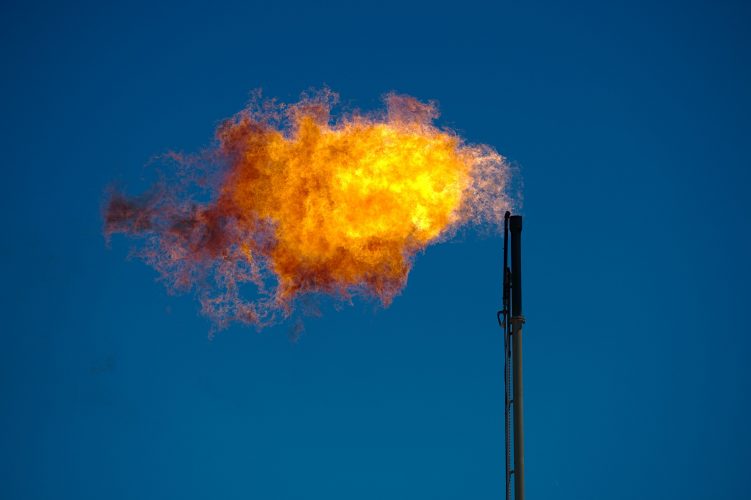
The monitoring and reporting rules for fossil fuel importers may be deferred for three years rather than one, as previously proposed by the European Commission. The European Parliament backed this decision following warnings from suppliers that they would be unable to supply the EU with sufficient oil, gas and coal if the rules came into force on 1 January 2027.
According to reports from the European Parliament, 341 MEPs voted ‘for’ and 225 voted ‘against’.
Three-year-old’s antics
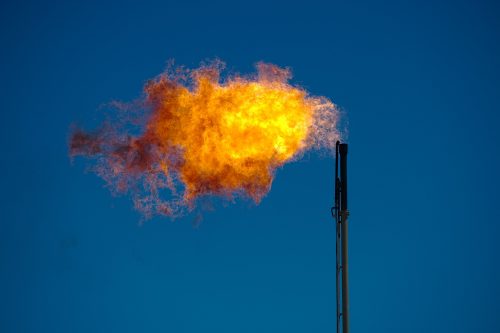
From the start of next year, importers were due to begin monitoring their methane emissions and provide the EU with transparent reports on them by 31 August 2028. However, against the backdrop of the energy crisis and rising prices caused by the war in the Middle East, suppliers have stated that they will be unable to implement the necessary measures to cover all of Europe’s fuel requirements.
Initially, the European Commission proposed postponing these rules for one year, but the European Parliament went even further. Importers will therefore have until 31 May 2031 to demonstrate compliance with European monitoring and reporting standards. Furthermore, importers will be able to submit reports on the emission intensity of fuel supplied to EU markets by 5 August 2031, rather than by the same date in 2029.
MEPs also want to give EU oil and gas operators a further three years to submit verified reports combining methane measurements at source and at facility level – by February 2030 for operational assets and by August 2031 for non-operational assets.
Before a final decision is taken, Parliament still has to hold negotiations with the Council of the EU.
Pressure from governments and importers
As reported by Reuters, this decision was preceded by a lengthy political debate and lobbying efforts by suppliers. The EU authorities were under pressure from, amongst others, the United States and France, as well as the Czech Republic and Italy.
This decision highlights the sharp differences between the EU’s environmental goals and its attempts to navigate the energy crisis. The media report that the delay was ‘pushed through’ by the Conservatives and right-wing parties. Their opponents are levelling accusations that they have betrayed the EU’s climate ambitions and are playing into the hands of the oil and gas giants.
"This is an absolute scandal. The Conservatives and the far right are once again pursuing policies that undermine action on climate change and serve the interests of the fossil fuel industry," said MEP Jutta Paulus, reports Euronews.
As a reminder, back in April, the Czech Republic, Romania, Hungary, Bulgaria and Slovakia called for a postponement from the European Commission. In addition to a postponement, they are also calling for the simplification of methane restrictions and an assessment of the regulation’s impact on oil and gas supplies.
Later, opponents of postponing the rules accused lobbyists of playing into the hands of the US and using Donald Trump’s rhetoric. Among other things, they also denounced the manipulation of fear over energy issues.