Environmental problems have a direct impact on the quality of life and health of each and every one of us. Air, water, soil, vegetation and climate change — various ‘disruptions’ in these systems lead to a deterioration in well-being, illness and the spread of dangerous infections.
The Centre for Public Health at the Ministry of Health of Ukraine explained how the state of the environment affects people’s well-being.
The air we breathe
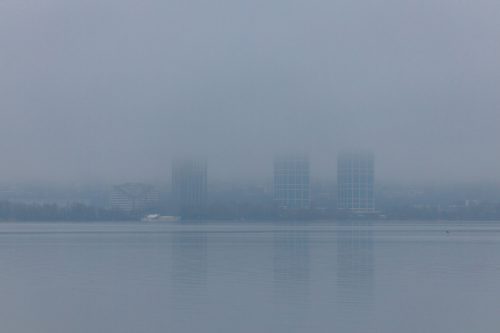
Hazardous and toxic substances in the air can increase the risk of respiratory and cardiovascular diseases. If a person already suffers from such conditions, polluted air can make their condition worse.
The most common and dangerous pollutants for humans are fine particulate matter, nitrogen oxides, ozone and so on. Some pollutants have carcinogenic effects. Breathing air containing these pollutants over a prolonged period may lead to the development of cancer.
Safety rules for high levels of contamination:
- avoid spending time outdoors;
- close the windows and doors and switch off the supply ventilation;
- use an air purifier where possible;
- carry out wet cleaning on a regular basis;
- When going outside, wear a respirator or a protective mask.
The water and food we consume
Water pollution affects both the quality of the drinking water supply and foodstuffs through soil contamination and toxic effects. This refers not only to chemical compounds that can cause poisoning, but also to dangerous microorganisms that can trigger infectious diseases.
Infectious agents enter drinking water or the soil as a result of flooding, waterlogging and damage to water supply and drainage systems. Among the unpleasant ‘surprises’ spread in this way are acute intestinal infections, viral hepatitis A and leptospirosis.
Excessive levels of nitrates are also dangerous to humans. In particular, such water can seep into wells. Consuming such water is particularly risky for infants — high nitrate levels can cause the blood to lose its ability to transport oxygen around the body.
Safety rules:
- Only drink water that has been confirmed to be safe. If there is no such confirmation, it is better to switch to bottled water;
- wash your hands and food using only safe water, and keep raw food separate from cooked food;
- avoid swimming in bodies of water where there are warnings about pollution. These are usually displayed on information boards, and the relevant information is also published in the media;
- For babies, use only bottled water when preparing formula and complementary foods.
Infections that have spread as a result of climate change
Due to global warming and changes in rainfall patterns, the numbers and activity levels of ticks and mosquitoes – which can act as vectors for dangerous infections – are on the rise.
Mosquitoes can transmit the West Nile virus to humans. Whilst the disease may not present with obvious symptoms in most people, in some cases it can cause severe damage to the central nervous system, such as encephalitis, meningitis or even paralysis.
Tips for protecting yourself from mosquitoes:
- use insect repellents outdoors and foggers indoors;
- wear clothing that covers as much of your body as possible;
- fit mosquito nets to the windows.
Another extremely dangerous insect is the ixodid tick. When it bites, it can infect a person with Lyme disease by transmitting the pathogens into the bloodstream. Without prompt treatment, the disease can affect the nervous system, the heart and the joints, and lead to tick-borne encephalitis.
Guidelines for protection against ticks:
- use insect repellents whilst out in the countryside;
- wear light-coloured clothing that covers as much of the body as possible;
- Check yourself, your children and your pets thoroughly after going for a walk.
The heat you can’t escape
Global warming has already significantly altered temperature patterns in Ukraine and Europe. In just four years, more than 200,000 people have died in EU countries as a result of heatwaves.
Prolonged exposure to high temperatures increases the risk of heatstroke and dehydration. This is particularly dangerous for people with chronic conditions, especially those affecting the respiratory and cardiovascular systems.
Rules for protecting yourself from the heat:
- drink more water — regularly and in small amounts;
- limit your consumption of alcohol and sugary drinks;
- limit physical activity;
- Keep your body cool, ventilate the room at night, and avoid being outdoors between 11.00 and 16.00.
How to protect pets from the heat was covered by EcoPolitic previously.
Researchers have also found that exercising in polluted air reduces the benefits of physical activity.