
As new temperature records continue to be set across the country, Ukrainians need to get used to the new rules of life in the heat. First and foremost, this is a matter of personal health and safety, as overheating and prolonged exposure to the sun can lead to heatstroke and cardiovascular problems. People with chronic illnesses, Ukrainians aged 60 and over, young children, pregnant women and those forced to work in direct sunlight are particularly at risk.
EcoPolitic has therefore compiled a list of recommendations to help you get through the heatwave with minimal impact on your health.
Avoiding overheating
Of course, the best option is to wait out the heat in a cool room, but not everyone has this option, nor is it always possible. There are, however, other ways to cope with the heat a little more comfortably.
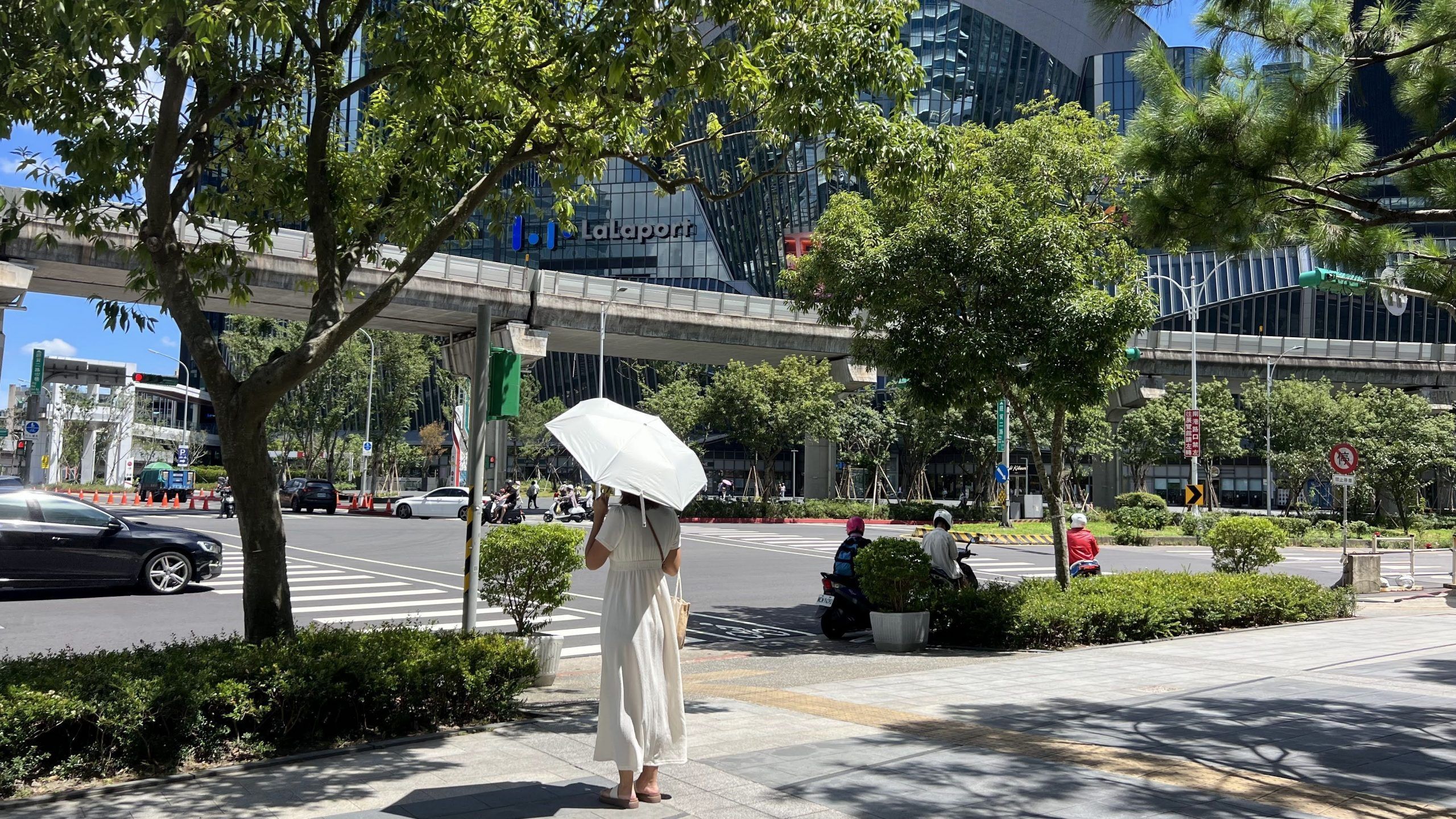
Wear the right clothing. Ideally, choose light-coloured, loose-fitting garments that shield your skin from direct sunlight. The fabric should be natural and ‘breathable’ – cotton, linen and hemp are suitable for this. You could also choose silk, but as it is very thin, sweat leaves noticeable damp patches on it.
Source: shutterstock
Headwear. This is a must if you plan to stay in the sun. There is a wide range of options available these days, so you can choose hats, panamas, or baseball caps in various colors or styles. The main thing is not to expose your head to direct sunlight.
Minimize activity. Whenever possible, avoid physical exertion during the hottest hours of the day.
Water procedures. If you don't have access to a cool shower, at least periodically moisten your neck and limbs.

Source: shutterstock
Changing Eating Habits
The basic rule during hot weather is to drink plenty of pure, non-carbonated water to avoid dehydration.
When temperatures are high, it is the perfect time to switch to healthy eating. Experts advise against consuming alcohol, sugary carbonated drinks, or beverages containing caffeine.
It is best to opt for light meals with fruits, greens, and vegetables, as well as cold soups. Heavy and fatty foods can only worsen the effects of overheating.
Keeping the Heat Out of Indoor Spaces
To slow down the heating of your apartment or office, it is recommended to keep windows closed during the daytime. Additionally, covering them with curtains or blinds can help prevent the warming of interior surfaces.
However, to maintain a comfortable indoor climate, fresh air is necessary. So, as soon as the temperature drops after sunset, it is better to air out the rooms.
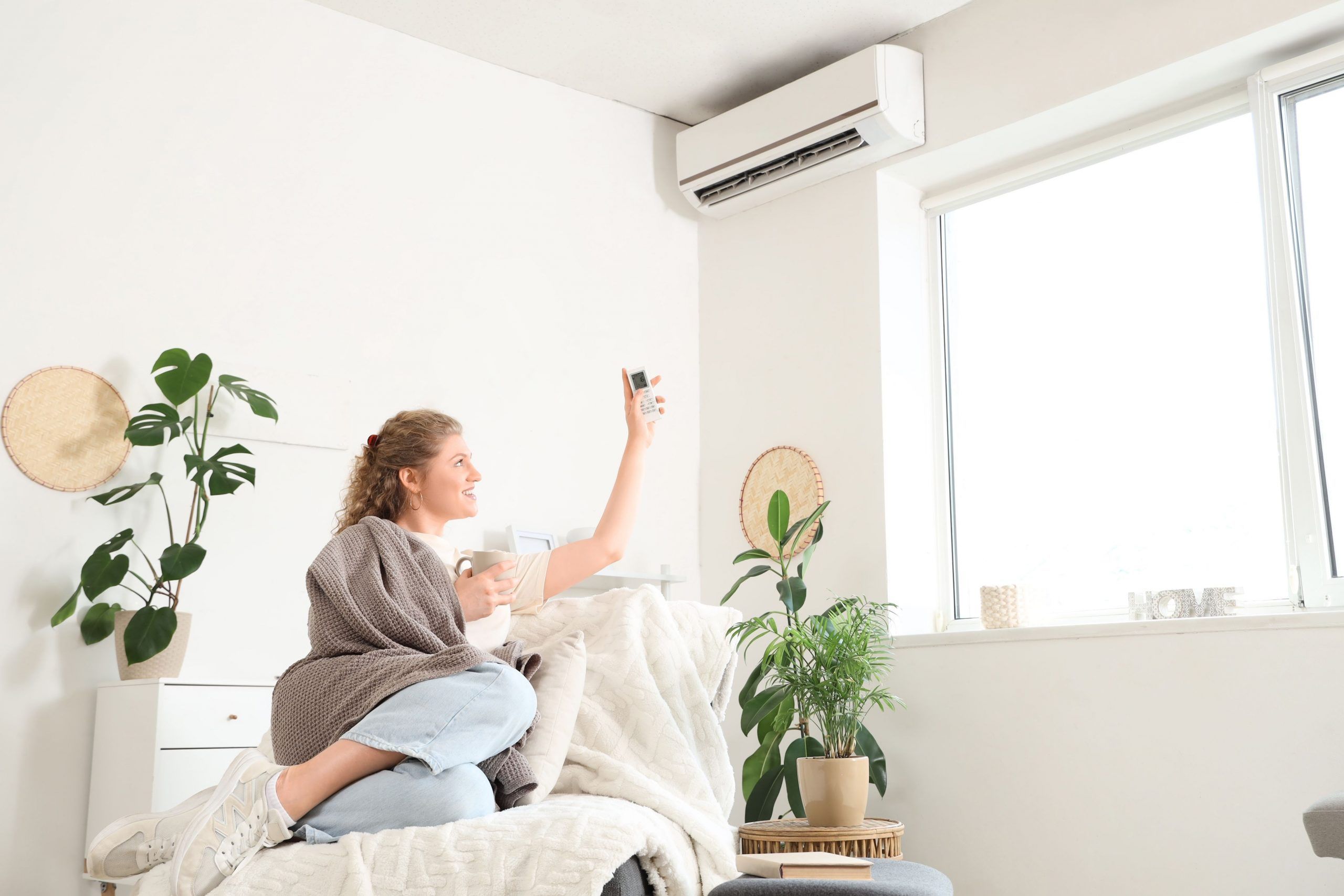
This applies even if you are using an air conditioner indoors. At night, it's best to let fresh oxygen into your home.
Regarding air conditioners, energy companies also offer several tips to help you use less energy:
- do not set the equipment to a temperature below 22–25°C;
- do not block the air conditioner with curtains or furniture;
- remember to clean the filters and refill the coolant.
Source: shutterstock
Sun Protection
It is important to remember the harmful effects of ultraviolet radiation. Therefore, we recommend protecting your skin with sunscreen and wearing sunglasses. In the case of the latter, it is better to make sure that they truly block ultraviolet rays. Most optical shops have special devices to check this.
During such hot weather, you should pay extra attention to your own condition and that of those around you. Elderly people, pregnant women, young children, and individuals with chronic cardiovascular or respiratory diseases are especially sensitive to high temperatures. For this reason, it is best not to ignore symptoms of heatstroke.
Earlier, EcoPolitic described how to help pets cope with extreme heat.