Global warming has long since moved from the realm of ‘scare stories’ to a harsh reality that is already affecting weather conditions, water and fire safety in ecosystems, crop yields on agricultural land, and people’s well-being. Climate change directly affects all Ukrainians and threatens to cause large-scale crises unless urgent action is taken now.
EcoPolitic explains the areas of life where global warming is already affecting Ukrainians and Ukraine.
It should be noted straight away that the key cause of many negative phenomena is climate change, triggered by global warming. In other words, it is not just about rising temperatures, but also about weather instability. However, we must not forget the human factor, which makes the situation even more threatening.
Widespread escalation of fires
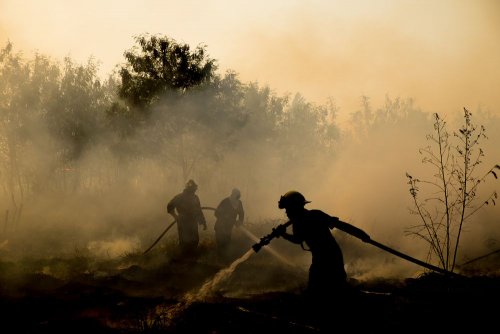
Fires in ecosystems have always occurred, but in recent years they have become larger and more destructive. Europe, the United States, and Asia started burning as early as the beginning of May, which testifies to a record-early start to the wildfire season. Ukraine has not been spared this fate.
As early as May 5, a fire broke out in the Mukachevo district of Zakarpattia. The fire was not contained until May 7, and aviation from the State Emergency Service was involved. During this time, the flames destroyed 75 ha of territory. The Carpathian Forestry Office directly stated that the fire was exacerbated by an abnormal drought.
A huge fire occurred in Chernihiv region. At the beginning of May, fire engulfed 2,400 ha within the Yelynske and Tyhonovytske forestries of the Koriukivske Forestry, State Enterprise "Forests of Ukraine". Firefighting was complicated by enemy drone attacks, since the disaster occurred near the border with Russia.
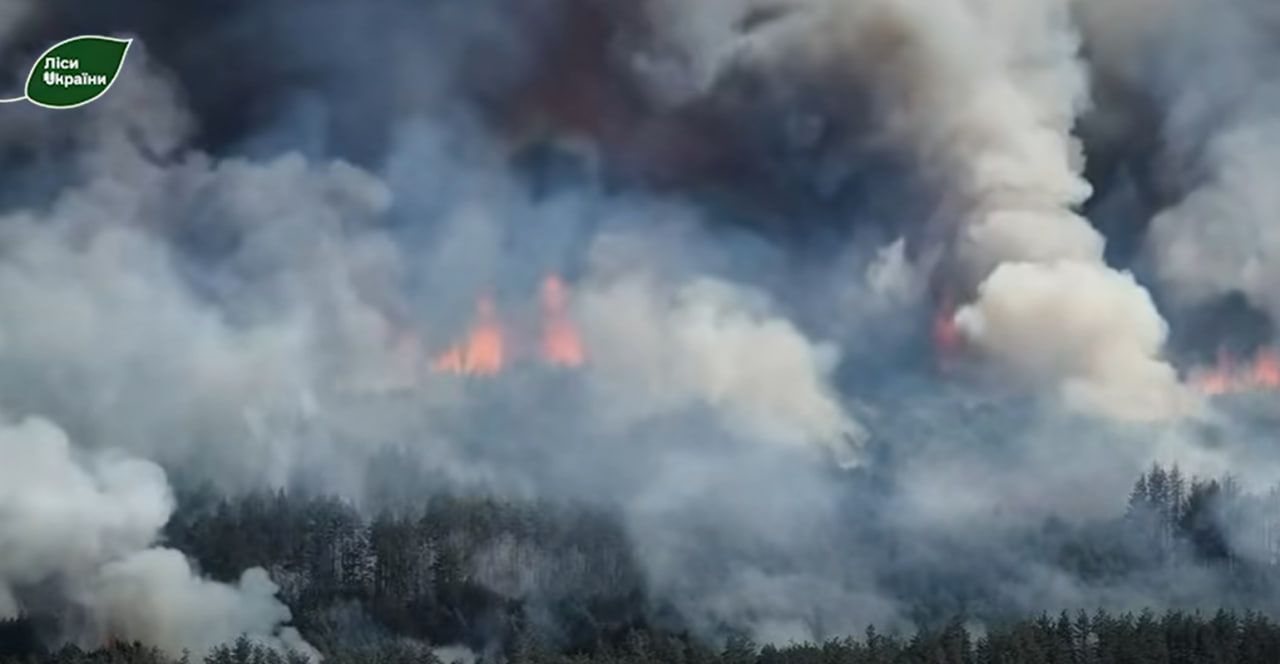
Source: screenshot from the video of SE "Forests of Ukraine"
For several days, a fire at a landfill in Kryvyi Rih was fought. Toxic smoke poisoned the city, and the prosecutor's office opened a criminal case for violations of safety regulations. Among the possible causes, authorities cited the crash of a Russian drone and the heat.
At the end of June, probably due to hostilities, forests also caught fire in the Chernobyl Exclusion Zone. Rescuers noted that work was complicated by high air temperatures and lack of precipitation.
The World Health Organization released alarming data – wildfires in Europe are becoming more frequent and intense. Overall, the number of fires in the EU increased by 57% compared to 2022.
До the way, in Ukraine, there are fines for burning dry vegetation: for citizens – up to 6,120 UAH, for officials – up to 21,420 UAH. Additionally, one will have to pay for environmental damages separately. In cases of significant harm, the offender may even face criminal liability.
Desertification and threat to water security
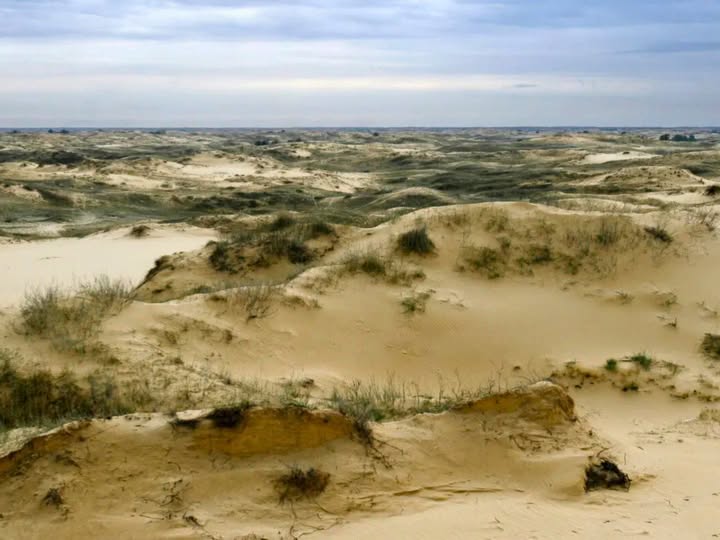
Currently, alarming processes are observed in southern Ukraine, and experts warn about future desertification in Odesa, Kherson, Mykolaiv, and Zaporizhzhia regions.
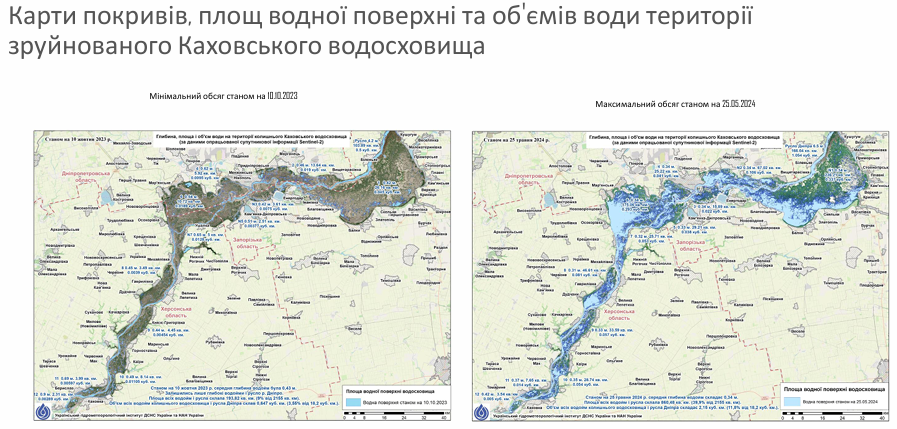
The primary reason is, of course, climate change. However, human activities have also accelerated this process. Specifically, these include the destruction of the Kakhovka HPP dam by Russian forces, deforestation of shelterbelts, and nature-exhausting agriculture.
Source: sw.dei.gov.ua
When discussing the potential transformation into a desert, one must not forget about water shortages. The United Nations (UN) has already declared a global water bankruptcy.
The authorities are already being forced to take more decisive action. For example, the Danube lakes in Odesa region have been ordered to be forcibly filled with water, and due to a sharp drop in river water levels, the Ministry of Economy announced restrictions on special water use for 185 businesses.
However, scientists from the National Academy of Sciences of Ukraine (NASU) emphasize that comprehensive measures are required to solve the water problem in the Dnipro basin, especially following the disappearance of the Kakhovka Reservoir.
Source: NASU
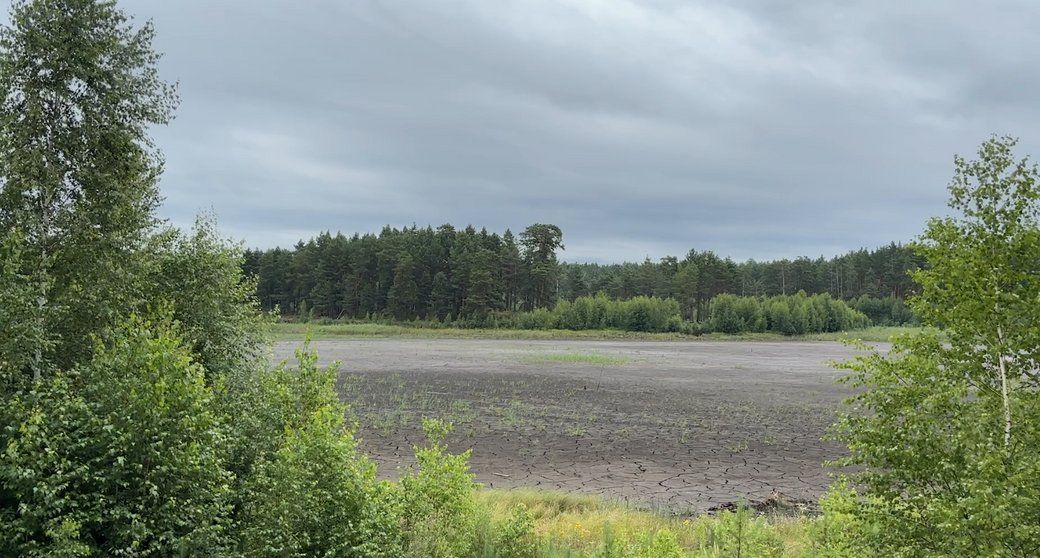
Yet this threat is not limited to the south alone. For example, in Khmelnytskyi region, the largest lake – Svyate – has dried up. Located in the forest of the “Male Polissia” national park, it has completely lost its water. The Malyi Supii in Kyiv region is also on the verge of drying out.
Source: Suspilne
To address the problem, experts advocate for the creation of a dedicated water management body and criticize Bill No. 7577, which was intended to transfer small and medium-sized rivers, under the guise of reclamation canal infrastructure, to the State Agency for Land Reclamation Development, Fisheries, and Food Programs. Activists have also urged blocking Bill No. 12384, which would give fisheries priority in the use of water bodies.
The impact on Ukraine’s agricultural potential
Due to climate change, agricultural production is already gradually migrating to Western Ukraine. Over the past 20–25 years, the average temperature in Ukraine has increased by 1–1.2 °C. This threatens the South with losing its primacy as Ukraine’s core region for vegetable and grain production, while the central part of the country faces climatic turbulence.
Due to higher humidity and lower temperatures, Ukrainian producers will be forced to move their main operations westward. For example, while in 2019–2021 only 22% of grain and industrial crops were grown in the northwest of the country, by 2024 this figure has already reached 29%.
Health threats and premature deaths
Please note that Ukraine does not maintain separate statistics on deaths caused by global warming. However, the European Union does, so we can say that the consequences are also bleak for us, even if they are not separated into a specific indicator.
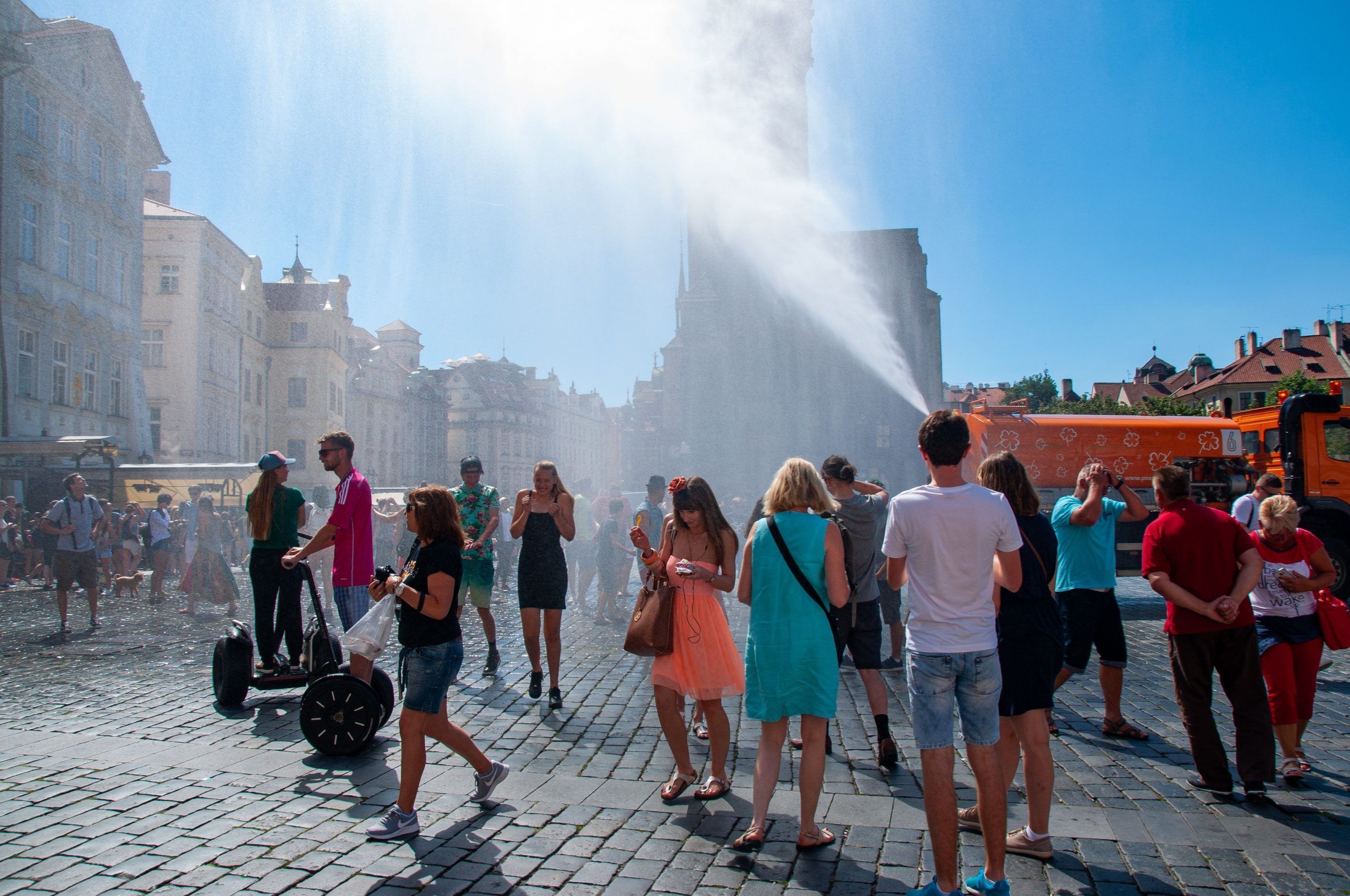
From June 22 to 28 alone, over 10,600 additional deaths were recorded in the EU due to heatwaves. 90% of fatalities involved people over the age of 65. The deaths were most often caused by heatstroke or the exacerbation of chronic diseases, particularly respiratory or cardiovascular conditions.
Source: shutterstock
Heatwaves also intensify the impact of pollution on the human body. In particular, a heatwave creates a kind of high-pressure dome that prevents the dispersion of toxic substances, causing them to linger closer to the ground. At the same time, intense solar radiation acts as a catalyst for chemical reactions, accelerating the formation of ozone-the main ingredient of smog.
Ukraine urgently needs solutions to address the situation, ranging from improving water resource management to urban climate greening. We will discuss the latter in one of the upcoming articles.