The summer heat poses a threat not only to humans but to all living creatures. Pets, stray animals and wildlife alike suffer from overheating, which can lead to heatstroke, dehydration and even cardiovascular problems.
EcoPolitic has compiled some key recommendations for its readers.
At-risk groups
Just as with humans, the youngest and oldest are the most vulnerable to high temperatures. Therefore, older animals, as well as kittens and puppies, require special attention.
A separate at-risk group consists of brachycephalic animals. Put simply, these are cats and dogs with flat faces – pugs, French bulldogs and Exotics. Animals with very thick coats are also at risk of overheating.
Avoiding overheating
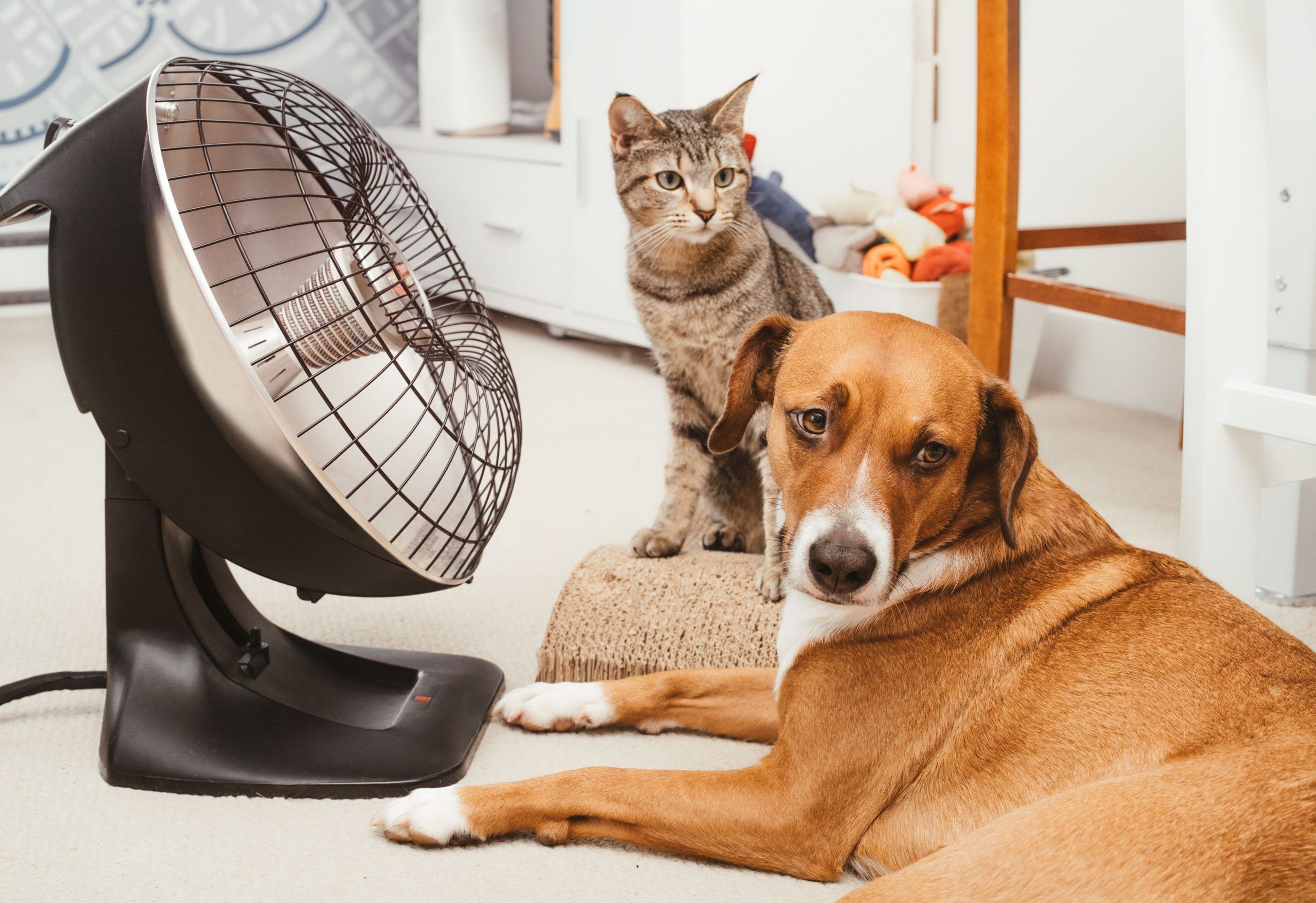
Pets must have access to a cooler area or at least some shade. Owners often choose the bathroom or buy special cooling mats.
Leaving animals in a locked car in the sun is strictly forbidden. The metal body heats up quickly in the sun, so the car can become a deadly trap for a dog.
Don’t forget that hot tarmac can cause burns to the pads of their paws. It is therefore best to go for walks in the early morning or late evening. You should avoid routes with concrete or tarmac surfaces, and as a last resort, use special footwear for pets or paw pad wax.
If their paws do get burnt, cool them with cool water, clean off any dirt and prevent them from licking the affected area. If blisters or cracks appear, do not use ‘human’ creams — it is better to consult a vet.
Source: shutterstock
More water
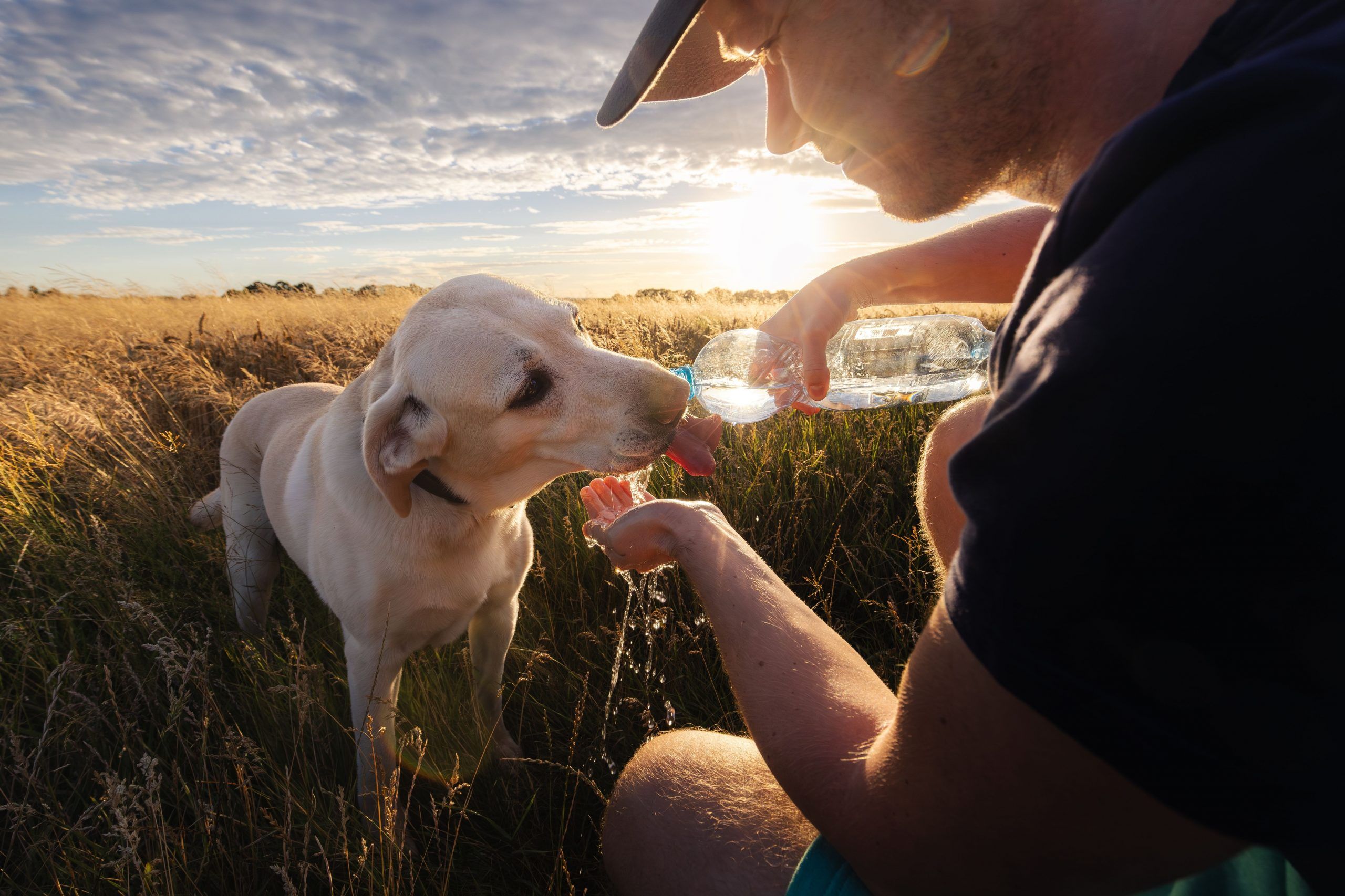
Animals must have constant access to fresh water. This is true not only for pets like cats and dogs. For strays, it is helpful to pour water in yards and parks, in containers placed in shaded areas. For birds, you can install special drinkers – they should be shallow and made from safe materials.
Water in the containers should be changed, and the containers themselves cleaned so bacteria do not spread. This is a simple but very important way to help animals survive the heat.
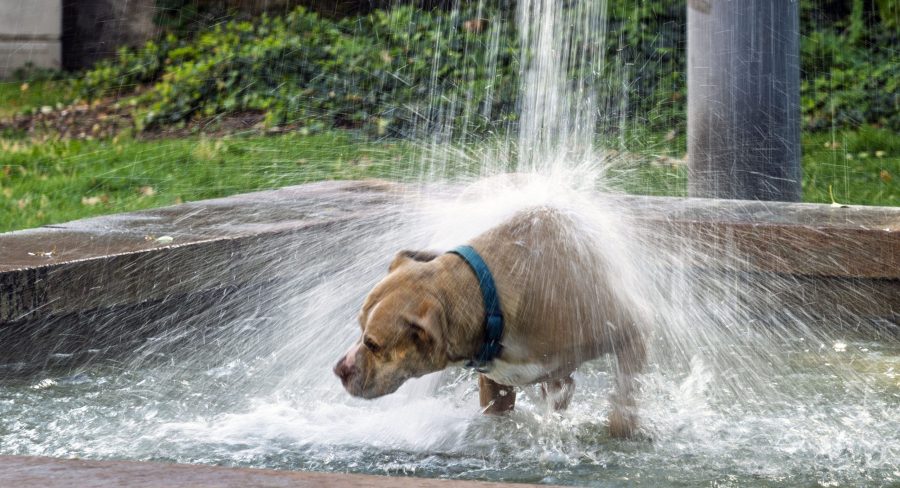
You can also moisten your pet with water. It is best to do this in areas with less fur – the belly, armpits, and inner thighs.
Source: shutterstock
Heat stroke: signs and what to do
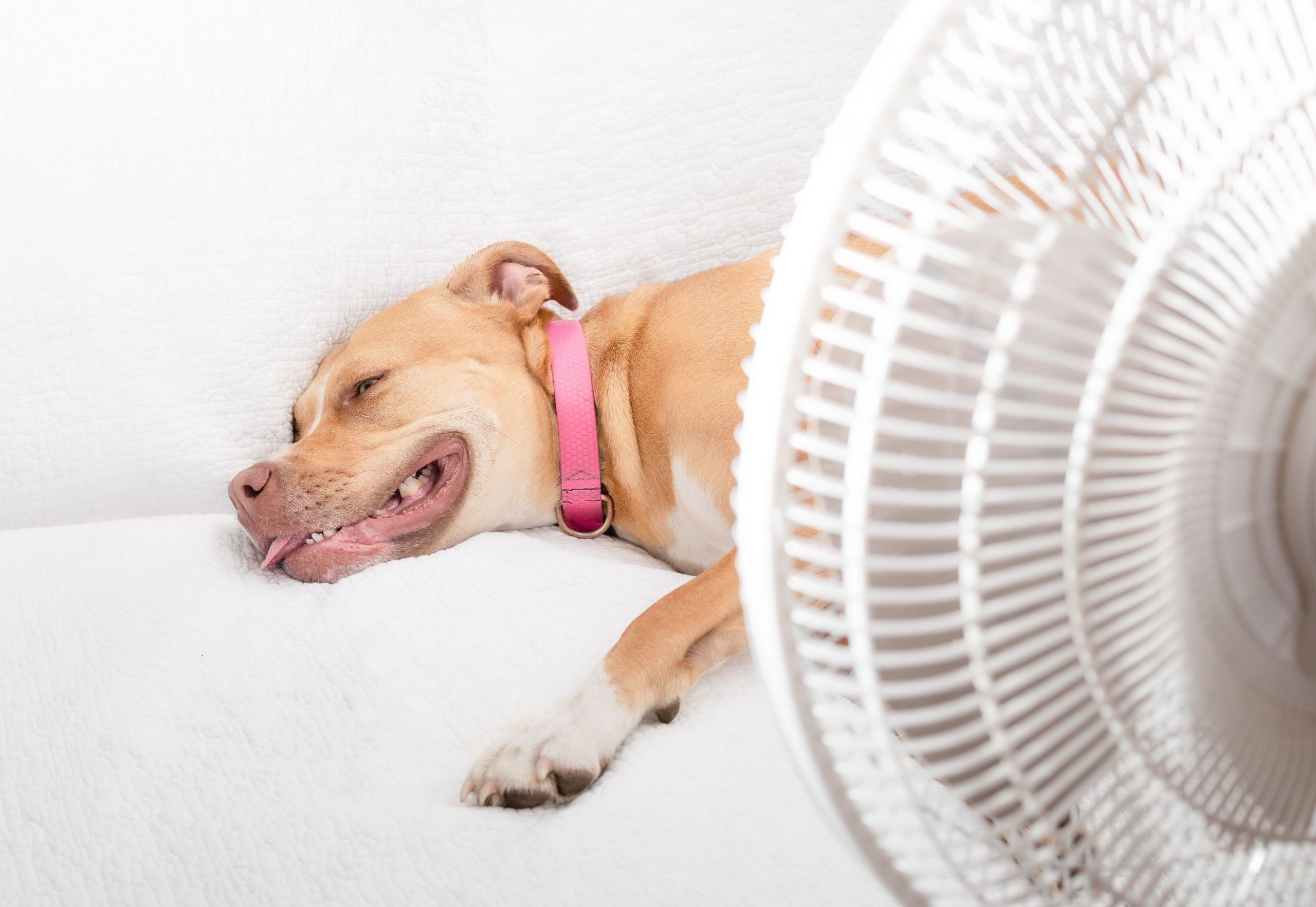
Like people, animals can also suffer from heat stroke. Of course, your pet cannot tell you about their symptoms, so it is especially important to monitor them closely.
Symptoms of heat stroke include:
- labored and rapid shallow breathing, with tongue protrusion in dogs;
- animal weakness, disorientation in space;
- mucous membranes may become red or even bluish; the opposite effect is also possible – pronounced paleness;
- reaction from the gastrointestinal tract can appear as vomiting or diarrhea.
If an animal shows these symptoms, it should first and foremost be moved to a cool place, preferably somewhere with air conditioning, but at the very least into the shade. Offer it some cool water and apply a cool compress – a towel dampened with water will suffice. If none of the above helps, you should consult a vet.
Source: shutterstock
EcoPolitic reported that in Ukraine, a national registry of cats and dogs is being created. Currently, a pilot project has been launched involving only state veterinary clinics. Registration is free for owners but increases the chances of quickly locating lost pets.