European countries continue to suffer from high temperatures. It has emerged that the previous heatwave claimed the lives of over 10,000 people. At the same time, parched ecosystems have provided ideal fuel for the large-scale wildfires currently raging in the south-west of the continent.
EcoPolitic has prepared a brief overview of the main news stories relating to the impact of global warming on Europe.
Shutdown of nuclear reactors
A number of reactors at nuclear power stations in France had to be shut down due to high air temperatures. Others had to reduce their output. Overall, the country’s nuclear generation fell by 6.3 GW across eight reactors.
This emergency decision was prompted by the overheating of nearby water bodies, from which the nuclear power stations draw water for cooling. This process is restricted due to the potential harm to ecosystems. The local energy regulator, EDF, states that the disruptions do not affect the safety of the nuclear power stations.

Source: Reuters
Heat kills
During the period of record heat at the end of last month, European countries reported over 10,600 excess deaths. This figure covers only the period from June 22 to June 28. These are the data from EuroMOMO, which Reuters cites.
This concerns the difference between the actual registered deaths and the average death rate. Scientists cannot explain this excess by any cause other than the heat. The highest increases were recorded in France and Belgium.
High temperatures pose the greatest risk to people over the age of 65. This category accounted for over 90% of fatalities.
Most deaths were caused by heatstroke or the exacerbation of chronic diseases-respiratory or cardiovascular.
Record-breaking fires
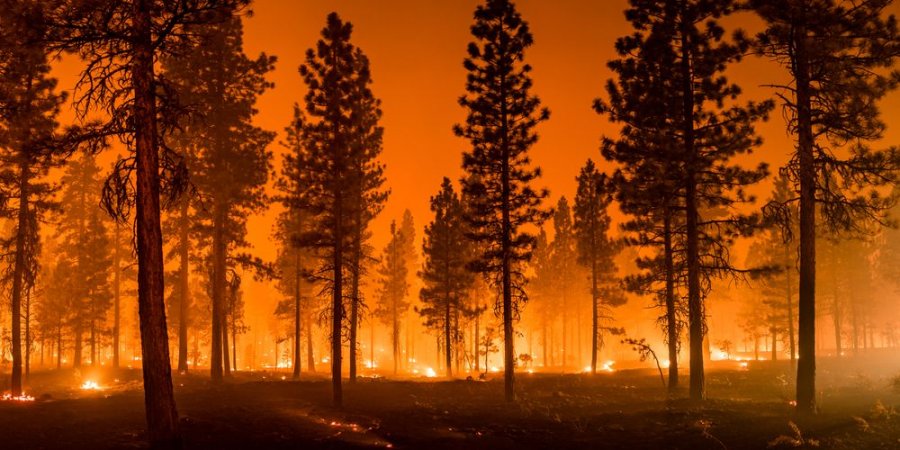
In France, the Fontainebleau forest, located 60 km from Paris, is on fire. The scale of the disaster is already being called unprecedented, writes The Guardian.
The fire began on Sunday evening and at that time had already covered over 800 ha of forest. As of Monday evening, the fire had still not been brought under control. Currently, more than 400 specialists and firefighting aircraft, even from neighboring countries, are involved in putting out the fire. Rescuers stated that it may take several weeks to extinguish the blaze.
Residents of more than 900 homes have been evacuated, and the fire has severed road and rail connections. Train delays exceed eight hours. The Paris region remains at the highest level of danger due to the heat.
Since the start of the year, fire in France has already destroyed more than 32,000 ha of land. This exceeds the total for the entire previous year, 2025, which was described as one of the most destructive due to forest fires. And it is not even the middle of summer yet.
A deadly fire has swept through Spain. Thirteen people are known to have died and 23 are missing. The fire engulfed the province of Almería and burnt over 6,000 hectares of land.
The fire was only brought under control on Saturday. Over 500 firefighters were involved in the operation. Over 1,400 people had to be evacuated from their homes.
EcoPolitic recently reported that heatwaves can exacerbate air pollution and its negative impact on human health. This is primarily due to a high-pressure system, which prevents pollutants from dispersing.