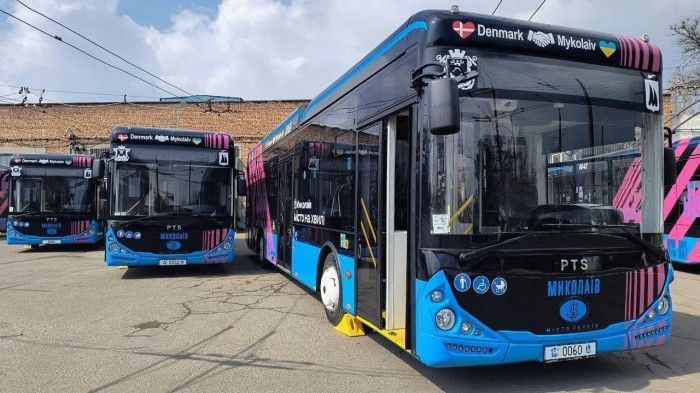
The electric vehicle manufacturing sector in Ukraine has a solid production base and could increase output by 15 per cent as early as 2027. The country has the potential to confidently enter the Asian and African markets, but this will require a significant review of the forms of state and municipal support.
This was reported by the media outlet ‘Centre for Transport Strategies’, citing a presentation by Berlin Economics expert Yigit Tahmisoglu.
A solid industrial base
The electric transport manufacturing industry in Ukraine has a high-quality and fairly well-developed base, which simply needs to be refined. In particular, this refers to the existing production capacity for electric buses, trams and trolleybuses.
According to the expert, if well-designed programmes are launched, Ukraine could strengthen its value chain and bring together skilled specialists around a revitalised sector.
Specific factors that could potentially stimulate the development of the electric transport sector include meeting the needs of the domestic electric transport market, as well as the modernisation of public transport.
“We see a strong manufacturing base emerging in the electric bus segment. We can also leverage our knowledge and capabilities from diesel bus production and shift these resources to electric bus manufacturing to achieve a competitive level,” the expert emphasized.
For example, domestic tram manufacturing has a localization rate of 48–95%. Further developing this direction could not only renew municipal fleets but also enable entry into the European market. At the same time, the production of parts and components could become competitive as well.
Key obstacles
The expert also outlined several fundamental barriers preventing Ukrainian electric vehicle production from scaling up and entering foreign markets. They include:
- lack of stable state support. The industry is accustomed to relying on foreign investors, and in the battery manufacturing segment, funding is even being cut;
- absence of a comprehensive policy for the development of the electric public transport sector. Purchasing new trams and trolleybuses does not deliver the desired effect if outdated infrastructure continues to be used;
- dependence on external capital. Research has shown that almost all Ukrainian cities expect foreign investment for renewing public electric transport. However, this is a rather lengthy process that does not provide municipalities with the necessary flexibility in decision-making;
- product certification. This procedure is both costly and time-consuming, requiring over 1 million euros and up to two years of testing. The state does not fund this area at all, which leads to domestic manufacturers losing their competitive edge entirely. By contrast, Europe provides advantages in electric transport servicing for 7–8 years.
EcoPolitic previously reported that one of Ukraine’s companies plans to launch local production of electric trucks. To implement the project, they intend to attract investments totaling $750,000.
At the same time, the volume of electric vehicle purchases in the country continues to decline. The most significant drop was observed in January 2026, when compared with December 2025, imports of electric cars fell by a factor of 14. This is primarily due to the fact that the authorities once again made it mandatory to pay VAT during vehicle customs clearance.