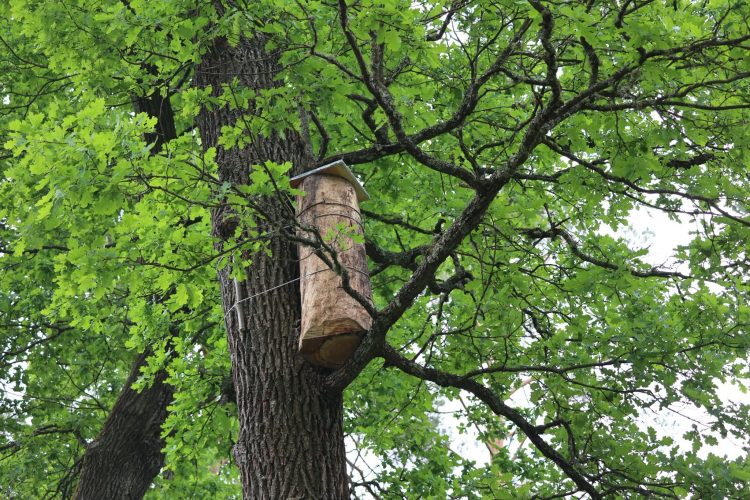
A network of artificial insect nesting sites has been set up in the forests of the Kyiv region. These wooden ‘houses’ are intended to partially compensate for the loss of natural ‘homes’ for pollinators, which are a vital part of the ecosystem. Going forward, scientists plan to monitor whether the artificial nesting sites will affect the insects’ activity.
According to the State Enterprise “Forests of Ukraine”, the pilot project is being implemented by WWF-Ukraine in collaboration with the Teteriv Forest District.
Loss of natural habitat
Insects are a natural means of pollinating many plants. By transferring pollen between flowers, they ensure the formation of fruits and berries. In turn, these crops provide food for other animals — birds and mammals — forming a complete food chain within the ecosystem.
However, human activity has disrupted this process as well. Pollinating insects usually live in natural shelters — dead wood, cracks in the bark, or on the ground covered with plant debris. Human activities destroy some of these habitats, so every year the world loses up to 2.5% of insect biomass.
Artificial alternatives
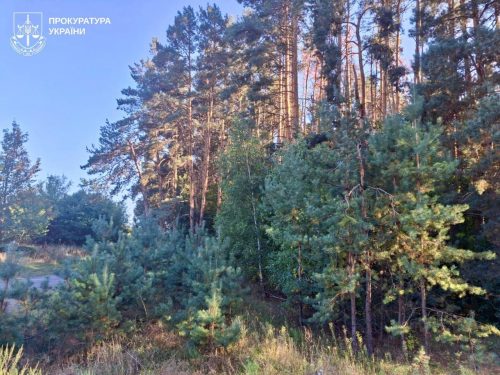
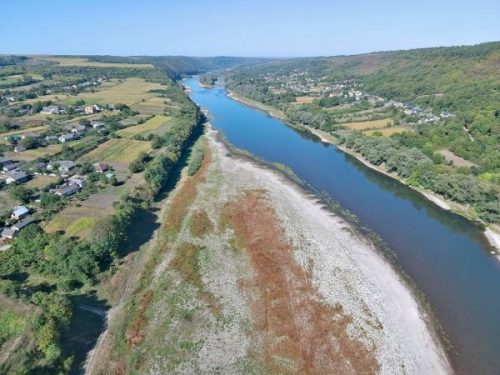
The Kyiv experiment aims to replace natural shelters with artificial ones. The first complexes of nesting structures were installed in forest clearings, river floodplains and marshy areas.
Different types of ‘hotels’ have been selected for different insect species. Reed shelters are designed to attract wild wasps and bees, nesting blocks are intended for carpenter bees, and artificial hollows are for honey bees.
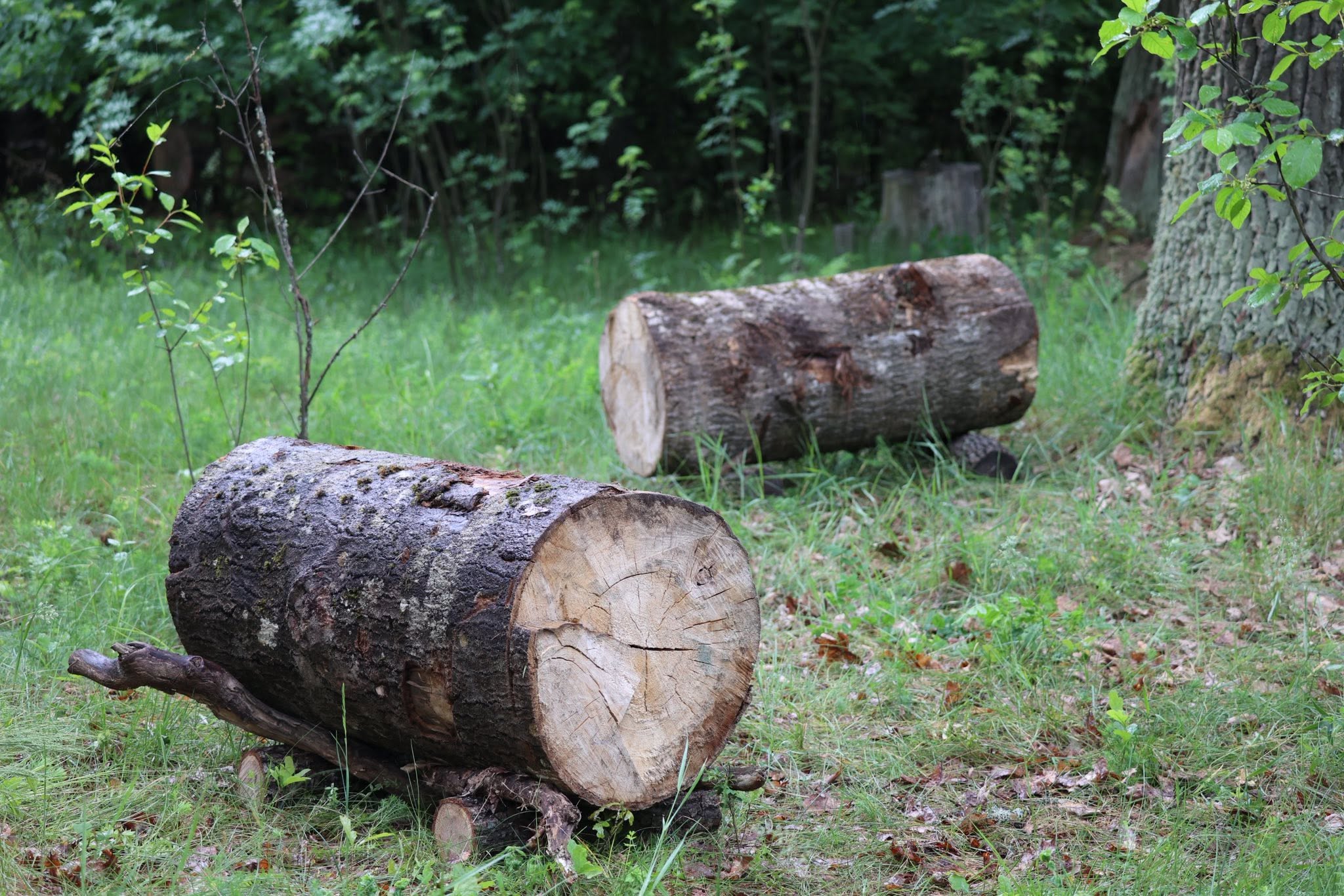
Source: SE "Forests of Ukraine"
“We aim to support pollinators and study whether such solutions can contribute to increased biodiversity in the forest landscape or even compensate for the loss of natural microhabitats. This project is about small solutions that can have a large impact on ecosystems,” said Anna Lobchenko, Forest Project Manager at WWF-Ukraine.
EcoPolitic recently reported that in Kirovohrad region 32 million bees died. Local beekeepers link the tragedy to farmers treating a field with insecticide without prior warning.