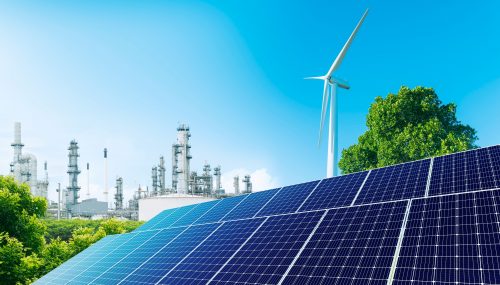
The UK is stepping up its efforts to achieve net-zero emissions. By 2040, the country aims to reduce CO2 emissions by 87% compared to 1990 levels. The government is convinced that, in addition to their positive environmental impact, Britain’s climate efforts will help create new jobs and reduce energy costs.
According to Reuters, these efforts align with international policies to curb global warming.
The energy factor
British officials are placing particular hope in renewable energy sources (RES). In their view, the development of green energy could shield the country from spikes in fossil fuel prices.
"As the UK faces its second fossil fuel shock in a decade, the only way to protect family and business finances is to strive for clean, homegrown energy that we control," said Energy Minister Ed Miliband.
The war in the Middle East has heightened attention on renewable energy. Disruptions in fuel supplies have caused a spike in energy prices.
Reuters adds that starting in July, Britons can expect an average 13% increase in their bills. This is due to a decision by the regulator Ofgem to raise the cap on gas prices.
Comprehensive measures
Achieving this ambitious goal will require investment in low-emission technologies. This includes green energy, electric vehicles, and heat pumps. Additionally, according to the Committee on Climate Change, Britons will need to rethink their lifestyles—specifically by reducing meat consumption.
A separate factor is limiting emissions from aviation. This will require a reduction in the number of flights.
It is currently known that the UK has reduced its emissions by 54%. In 2025, the drop in greenhouse gas emissions was 2%. Experts attribute this to the closure of blast furnaces in the steel industry.
Argus Media adds that after government approval, the UK’s new carbon budget must still be approved by the House of Lords and the House of Commons. The country has met its previous carbon budgets—emissions fell by 50% between 1990 and 2022. The main reasons are the decarbonization of the energy sector and the closure of coal-fired power plants.
EcoPolitics previously reported that the European Union’s common goal is to reduce emissions by 90% by 2040.
In 2025, greenhouse gas emissions fell by 1.3% in the sectors of the economy covered by the EU Emissions Trading System (EU ETS).