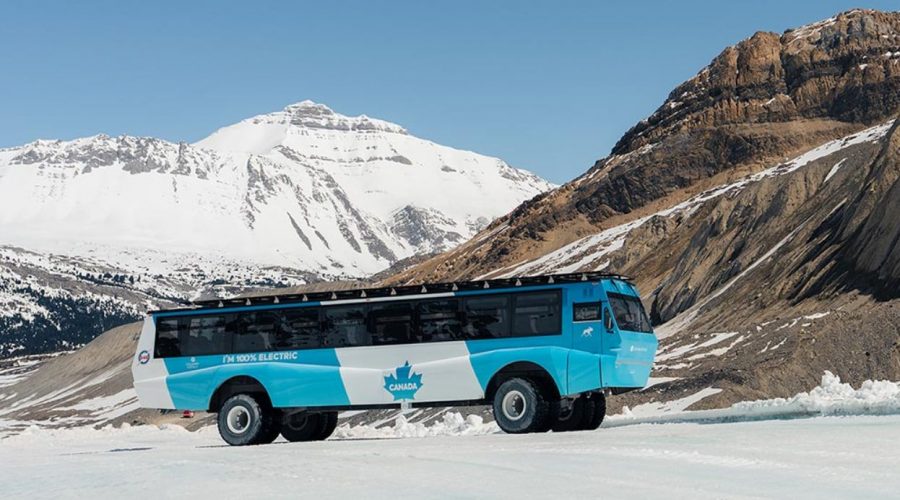
A team of Canadian engineers has developed the first electric bus designed for glacier research. The vehicle is fully autonomous and does not require recharging, so it does not need access to charging stations or generators.
This was reported by PiataAuto.
Previously, all vehicles capable of traveling on ice were diesel-powered. These were typically extremely powerful truck-based buses.
In Canada, however, they decided to create environmentally friendly transportation that would give researchers access to the glaciers in Jasper National Park in the Alberta region. Ten special buses were already operating there. Even with modernized exhaust treatment systems, they still had a negative impact on the fragile northern ecosystem.
Powerful, yet safe
Engineers from the Noble Northern team used a diesel truck chassis but modified it to accommodate dual wheels. The bus features all-wheel drive and increased ground contact area.
The all-terrain vehicle is powered by an electric motor with a 528 kWh battery. It is equipped with a special thermal management system to ensure it remains operational even in low Arctic temperatures. Additionally, special shields protect the battery from the effects of operating on rough terrain.
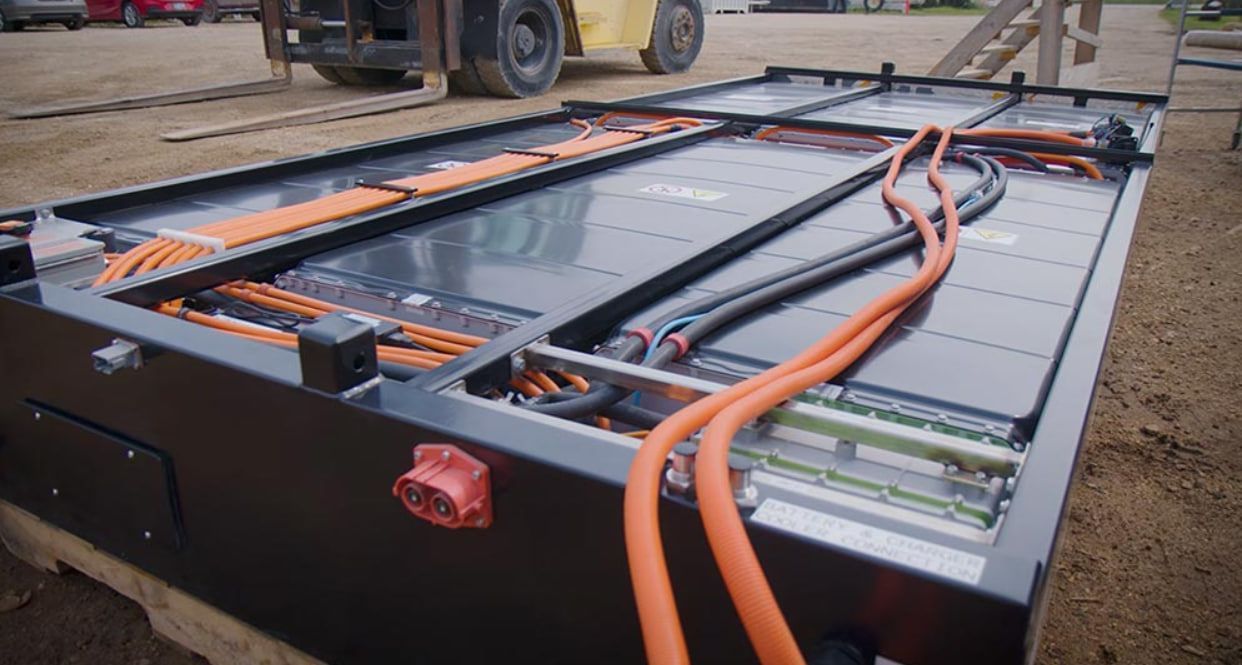
Source: piataauto.md
Self-charging vehicle
The bus operates in areas without access to standard electric charging stations. Therefore, the engineers implemented several unique solutions:
Energy recuperation. During glacier tours, the bus first climbs up and later descends steep slopes. Thanks to the advanced recuperation system, over 5 kWh of energy can be recovered during these descents.
Solar panels. The bus roof is covered with bifacial photovoltaic cells with a total capacity of 6 kW. They are highly efficient in environments with high albedo-covered with ice and snow. Throughout the day, the mini solar power plant can generate about 40 kWh of energy and store it in the battery.
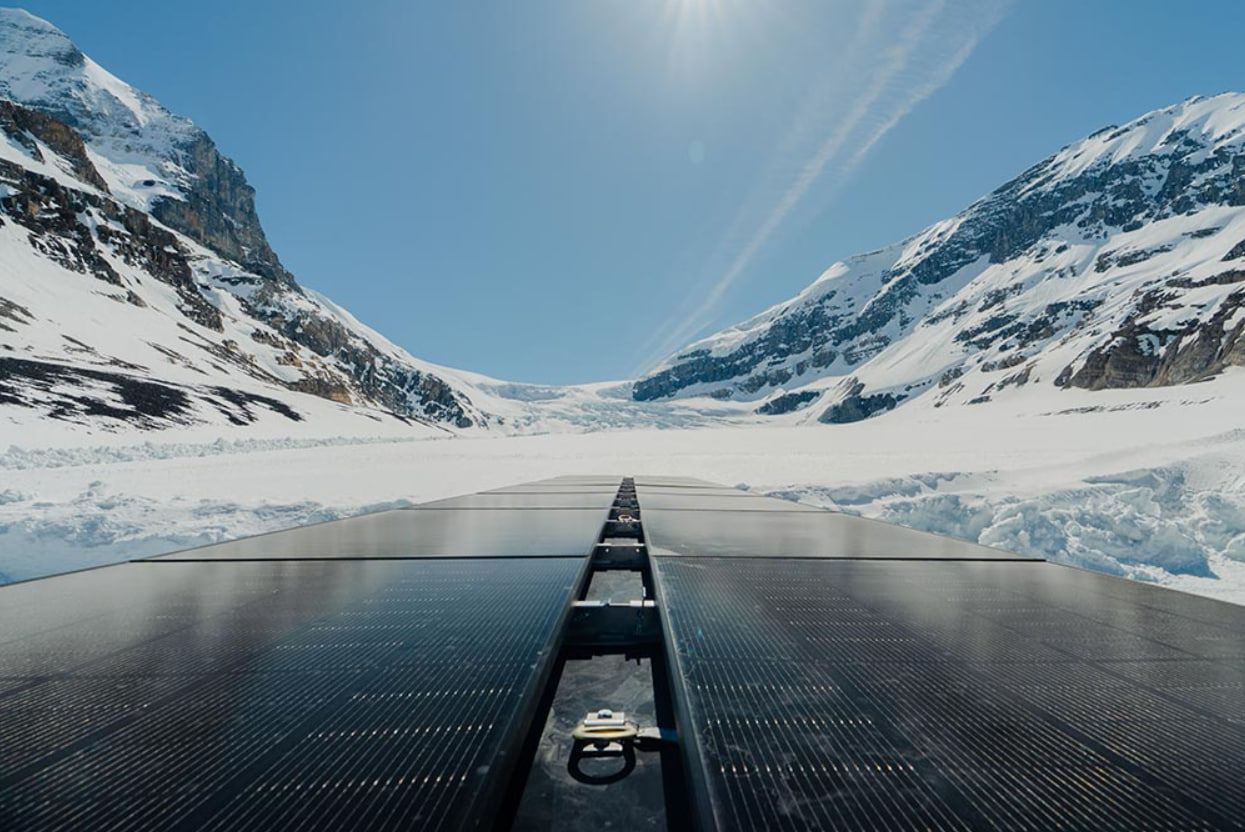
Source: piataauto.md
Lightweight construction. The bus body was made as light as possible to save energy during ascents.
In total, on a full battery charge, the bus can climb onto the glacier and return more than 30 times. This equals approximately 4–5 days of operation. Afterward, the bus "rests" in the sun and recharges its battery.
EcoPolitic previously reported that “black carbon,” which is produced from ship emissions, accelerates the melting of Arctic ice. The transition to cleaner fuels remains in doubt, as there is no consensus among countries on new regulations.