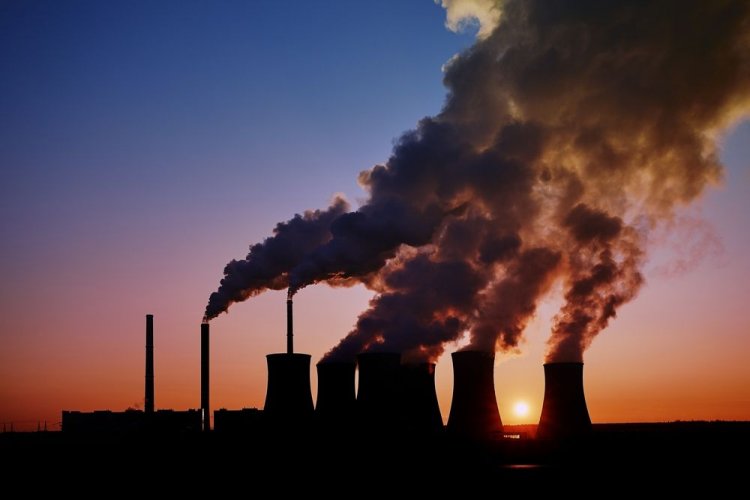
The energy crisis triggered by the war in Iran was expected to spark a resurgence in coal-fired power generation. However, these predictions did not come true—coal-fired generation did not increase, and maritime shipments of this fossil fuel actually fell by 3%.
This is evidenced by data from a report by the Center for Research on Energy and Clean Air (CREA), as reported by Euronews.
Key indicators
Analysts examined data from the world’s largest energy markets, which account for 87% of coal-fired power generation and over 60% of natural gas-fired power generation. The study identified the following trends:
- In March 2026, global coal-fired generation remained unchanged on average. In China, there was a slight increase of 2%, but outside China, generation fell by 3.5%. The sharpest decline in production was observed in the United States, the European Union, India, Turkey, and South Africa.
- Overall, global fossil fuel power production decreased by 1% compared to the previous year.
- Seaborne coal shipments dropped by 3%, now reaching their lowest level since 2021, which had marked the peak of the coronavirus pandemic.
Renewable energy as a buffer
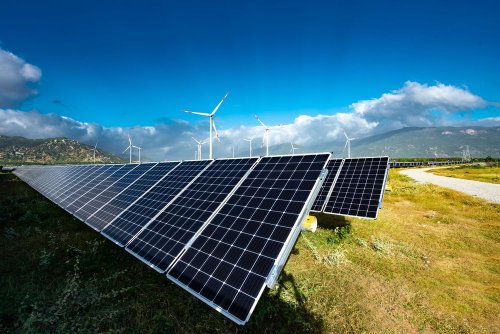
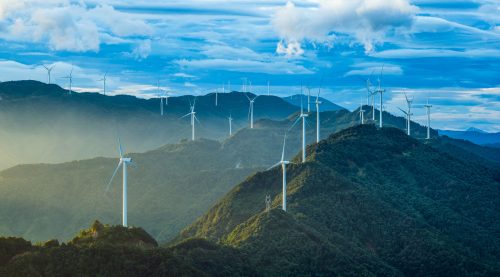
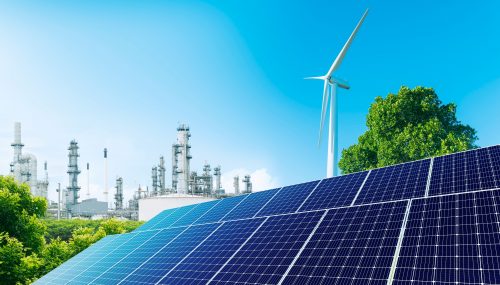
Concerns about a coal energy renaissance did not materialize, primarily thanks to the development of the renewable energy sector. Clean energy made it possible to soften the impact of the blockade of key oil and gas supply routes. Only due to solar power, Europe was able to save €3 billion in March.
Previously, about 20% of the world’s liquefied natural gas was transported via the Strait of Hormuz. However, in 2025 alone, the world added enough wind and solar generation capacity to double the amount of blocked energy resources.
Earlier forecasts of coal’s return emerged after the fall in Russian gas exports to the EU due to Russia’s full-scale invasion of Ukraine. Initially, this had an effect, but in the long term, the crisis accelerated the development of the clean energy sector.
EcoPolitic previously reported that a number of clean energy technologies are already outperforming their fossil fuel counterparts. In particular, this concerns solar and wind power, biofuels, and electric vehicles.