Greenhouse gas emissions in the European Union are steadily declining. In the economic sectors covered by the EU Emissions Trading System (EU ETS), emissions fell by 1.3% in 2025. Over the 20 years since the ETS was introduced, emissions in the sectors covered by the system have been cut in half.
This is evidenced by data published by the European Commission.
Overall, the EU is confident that this positive trend is bringing the bloc closer to its 2030 goal of reducing greenhouse gas emissions by 62%.
Energy sector
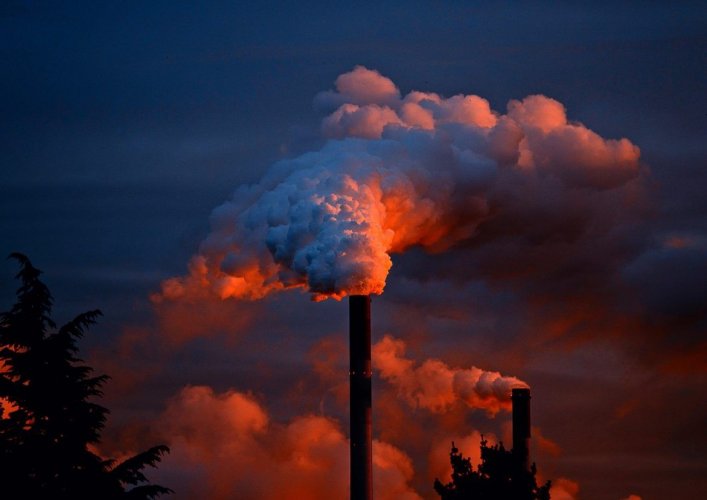
Emissions from fossil fuel-based energy production continued to decline. In 2025, this figure decreased by 0.4%, although the production of “dirty” electricity increased by an average of 3.5%, including an 11.4% increase from natural gas. In the same year, emissions from the coal-fired power sector fell by 6.8%.
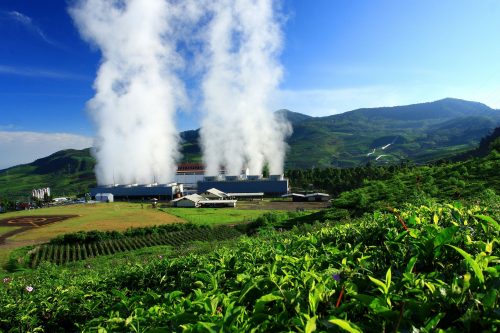
At the same time, "green" electricity production increased by 1.7% over the same period. The share of clean energy in total consumption continues to grow—47.3% in 2025 compared to 47.2% in 2024.
The highest growth rates in the EU were recorded in the solar energy sector—24.6%. Solar energy helped offset some of the decline in the wind and hydropower sectors, which "slumped" due to reduced precipitation and weaker winds.
Overall, solar energy surpassed hydropower for the first time and now ranks second among RES after wind.
Energy-intensive industry
Emissions in the industrial sectors covered by the ETS are also decreasing. Last year, the emission reduction amounted to 2.5%.
Trends differ across various sectors. The reduction was mainly achieved in the cement industry, as well as in steel and iron production.
Market analysis revealed that the main reasons were the decline in economic activity, especially in the cement sector, and a systematic shift of the industry towards "green" energy.
Maritime transport and aviation
The indicators here are mixed. Whereas maritime shipping emissions decreased by 3%, aviation emissions, on the contrary, rose. This was due to increased air transportation compared to 2024.
EcoPolicy previously reported that the EU is continuing work to stabilize the emissions trading market in response to criticism from certain countries and businesses. In particular, carbon prices are set to be balanced through changes in the formation of the Market Stability Reserve (MSR).
At the same time, the EU supports industrial decarbonization projects. Recently, €2.7 billion was allocated from revenues generated within the Emissions Trading System (EU ETS) to implement these initiatives.