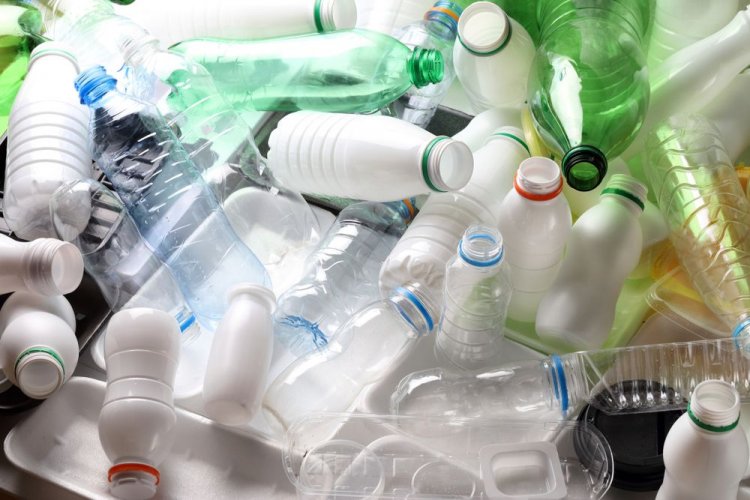
By January 1, 2037, the rate of separate collection of plastic bottles and metal cans in Ukraine is expected to reach 90%. This requirement is included in the working draft of the bill "On Packaging and Packaging Waste." And only from that same date is the deposit-return system (DRS) for collecting these types of packaging supposed to go into effect. There is a fundamental contradiction here, because without the DRS, achieving a 90% collection rate is practically impossible, as the experience of EU countries demonstrates.
The public association Zero Waste Alliance Ukraine drew attention to this contradiction and explained how it works in the European Union and how it should work in Ukraine.
European targets
By 2029, the EU must separately collect 90% of plastic bottles. This target was set by the European Commission. EU packaging regulations require the same targets from EU member states. To achieve this, countries must introduce deposit-return systems. An exception applies if, by 2026, they increase the volume of separate collection of plastic bottles and metal containers to 80% and submit a plan to reach 90%.
From personal motivation to cleaner recyclables
The implementation of a deposit-return system creates a key factor in citizen engagement: financial motivation. By returning a bottle or can, a person immediately feels the personal benefit of this eco-friendly action.
At the same time, the deposit-return system establishes a convenient network for returning packaging in retail and collects cleaner raw materials for recycling. In other words, only through the deposit-return system can more containers be collected in a less contaminated state. The European Commission wrote about this in its analysis, citing data from Zero Waste.
Countries that failed without a DRS
Some countries attempted to reach the pan-European target without implementing a deposit return system. According to Zero Waste, Spain is an example. The country already had an effective community waste collection system and a developed Extended Producer Responsibility (EPR) program, believing this would suffice.
However, in 2023, Spain separately collected only 41.3% of beverage bottles. This extremely low rate rekindled the public debate on DRS, so now the government is rolling out a DRS nationwide.
"This is a very telling lesson for Ukraine: even a strong container collection system without a deposit mechanism cannot achieve 90% separate collection," emphasizes Zero Waste.
DRS can deliver rapid results
A notable example of DRS effectiveness is Latvia. The system there started only on February 1, 2022. Within just two years, the return rate for packaging reached 80%. At the same time, the DRS operator reported an increase in PET bottle collection from 45% to 83%.
An artificial gap in the legislation
Ukraine must align its domestic legislation with European Union law – a requirement of the integration process. Waste management is no exception. Therefore, if the EU enforces regulations on separate collection and DRS implementation by 2029, Ukraine should not postpone them until 2037.
"Including 2037 in the law as the mandatory DRS launch means from the very beginning creating a gap with the same EU act that Ukraine itself ties this draft law to," the organization stressed.
EcoPolitic previously reported on the changes proposed by lawmakers in the draft working version of the packaging law.