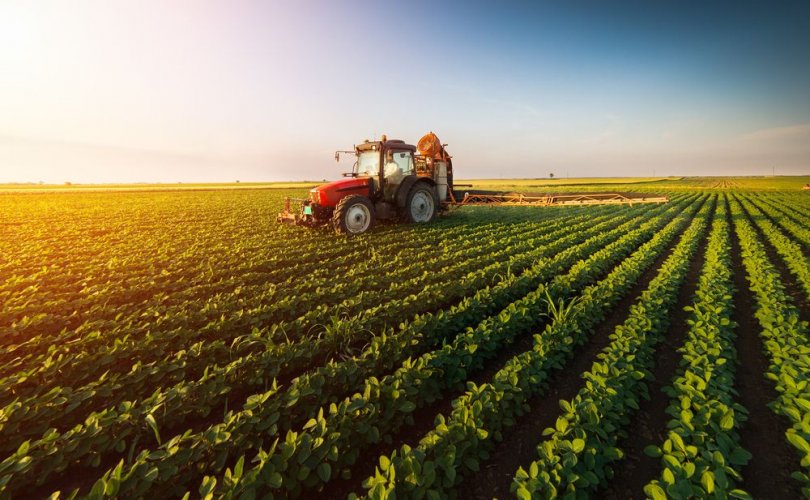
Denmark plans to pay landowners who voluntarily stop using their land for agriculture. €1.04 billion has been allocated for such support for climate projects. In this way, the state plans to reduce emissions from the agricultural sector and reduce the harm caused by pesticides.
According to the European Commission, this measure has a stimulating effect. Without state support, landowners would not implement such initiatives.
Forests and swamps instead of fields
In Denmark, state support will be provided to landowners who refuse to engage in agricultural production. Without plowing, fertilizers, and pesticides, these areas will gradually recover, having a positive effect on the environment.
The program will restore the natural hydrology of the soil and reduce greenhouse gas and nitrogen compound emissions.
Among the measures proposed to landowners is the creation or relocation of fences so that natural grazing contributes to the preservation of biodiversity.
Up to 100% compensation
In areas where forest land is hydrologically connected to agricultural land, owners may receive additional compensation if they, too, stop using the forest for economic activity.
If a forest plot is permanently withdrawn from use, it can no longer be involved in timber harvesting-even if ownership changes. The objective is for the ecological and climate effects to be long-term and irreversible.
Overall, Denmark will compensate for the following:
- investments that do not generate profit,
- loss of income due to discontinuing land use,
- additional land management costs, including legal, administrative, and geodetic expenses.
The compensation will take the form of direct grants or payments in kind. This may include consultations or the purchase of goods and services. State aid will cover up to 100% of the expenses stipulated by the new program.
EcoPolitic previously wrote that Denmark was the first country in the world to introduce a CO2 emissions tax in agriculture.
This northern country is also among the top three for the share of clean energy in its consumption mix. According to Eurostat, renewables produced 79.7% of Denmark’s energy.