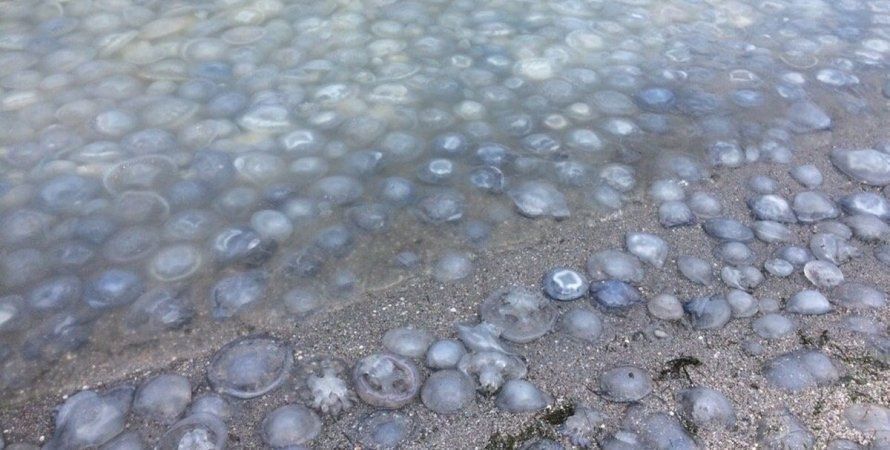
The number of jellyfish in the Sea of Azov has increased dramatically, they are dotted along the entire coastline and make beaches unsuitable for swimming.
This was reported by the Center for Countering Disinformation on its Facebook page.
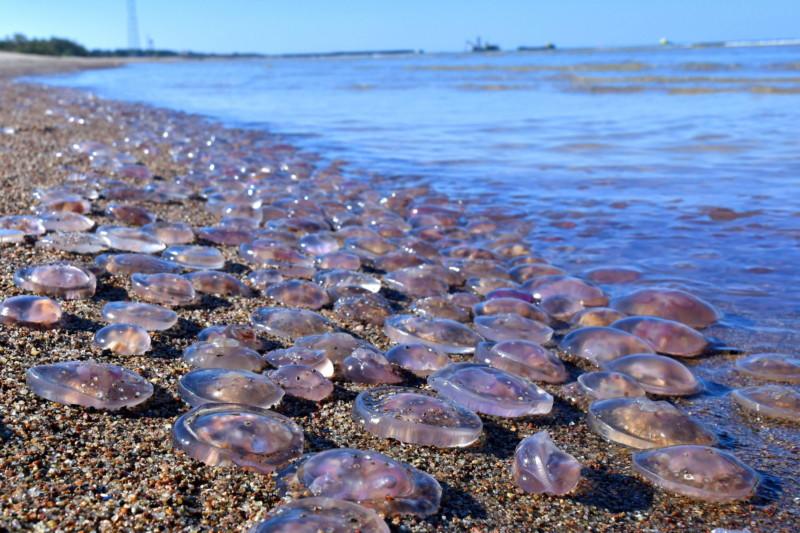 Photo: vsviti.com.ua
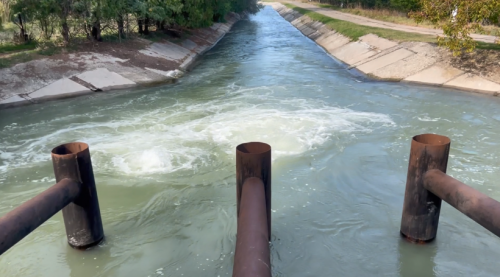
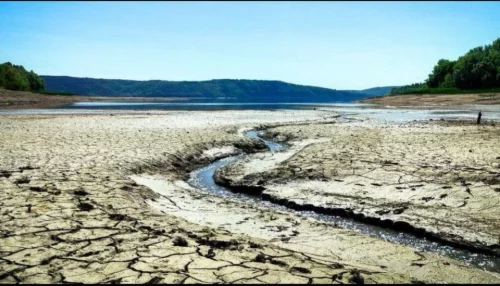
According to experts, the Russian invasion of Ukraine is to blame. The occupiers damaged the Siverskyi Donets Canal as a result of the fighting, which significantly reduced the flow of fresh water to the Sea of Azov. This has led to an increase in water salinity and a large number of jellyfish entering the sea.
According to experts, Russians in the Sea of Azov have also sharply increased the volume of fishing and discharging untreated sewage into the sea. This has led to the almost complete extinction of the goby and a decrease in the population of many other fish species.
"The situation in the Sea of Azov is close to critical due to the actions of the Russians. But instead of remedying the situation, the occupiers only shift the responsibility for the environmental disaster to Ukraine," noted the experts of the Center for Countering Disinformation.
As EcoPolitic wrote earlier, due to the negligence of the occupation authorities, Mariupol is drowning in sewage. Instead of a central sewage system, they use ordinary septic tanks. This leads to sewer pipe breaks and complaints from residents about unpleasant odors.