Bosnia and Herzegovina plans to introduce an emissions trading system by the end of 2025 to avoid billions in losses from carbon tariffs and preserve the country's exports and jobs.
This was reported by the state news agency Fena.
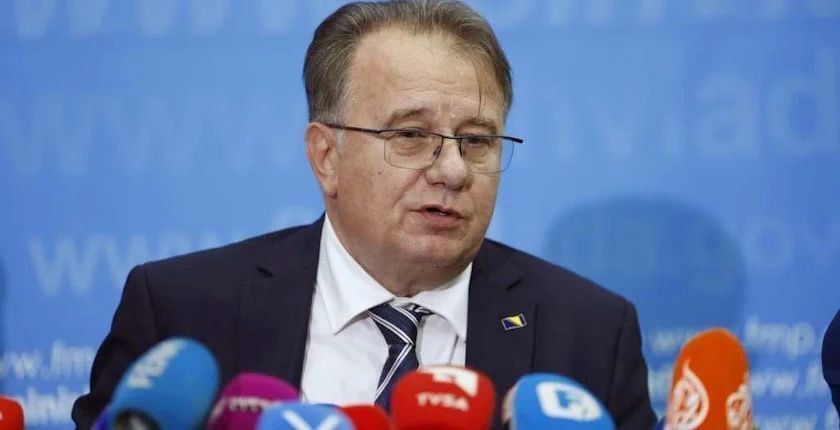
According to Prime Minister Nermin Nikšić, Bosnian government agencies and one of the two political entities will take joint measures to introduce the emissions trading system.
On January 1, 2026, the EU carbon tax will come into force as part of the Carbon Border Adjustment Mechanism (CBAM). It will affect Bosnia and Herzegovina's trade with EU countries. This country supplies cement, aluminum, steel, fertilizers, hydrogen, and electricity to Europe. The introduction of duties will affect the country's industry, as it will lead to an increase in the cost of export products and, accordingly, will result in the loss of buyers.
“In order to support exports to the EU, Bosnia and Herzegovina must urgently create a system recognized by the bloc,” said Prime Minister of Bosnia and Herzegovina Nermin Nikšić.
In order for the country's exports to continue to develop, it is necessary to urgently create a system recognized by the EU for regulating taxes on carbon emissions. BIH also remains the only country in the region without an electricity exchange.
“It is time for all levels of government to act together and responsibly,” said Nermin Nikšić.
Bosnia and Herzegovina's Minister of Energy and Industry Vedran Lakic said that the best way to protect the country's economy and save it from additional tariffs is to create its own emissions trading system. If the government does not adopt the new system, tens of millions of euros will end up in the EU budget.
“The revenue will be used to modernize production facilities, reduce emissions, and accelerate the green transition,” said Minister of Energy and Industry Vedran Lakic.
According to him, the ministry will financially support companies that decide to install solar panels. This will allow them to generate energy for their own needs and avoid paying carbon tax.
Bosnia and Herzegovina and Montenegro have asked to postpone the introduction of additional carbon emissions duties, but the EU has said it will proceed as planned. No country will be exempt from paying the tax, including the countries of the Western Balkans, the EU said.
Earlier, EcoPolitics reported that carbon emission prices in the EU had fallen following the European Commission's proposal to simplify the CBAM.