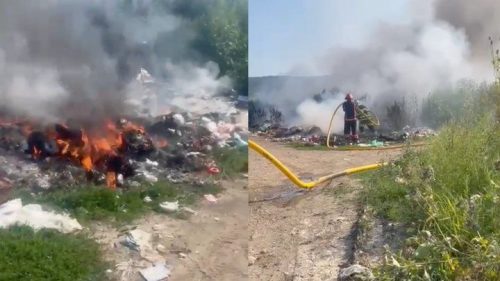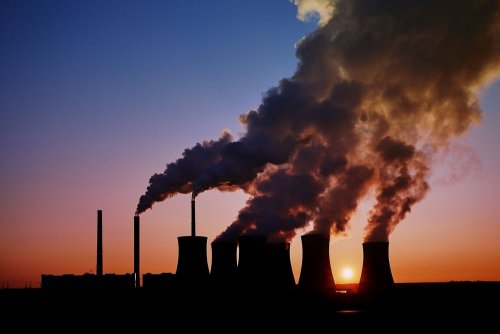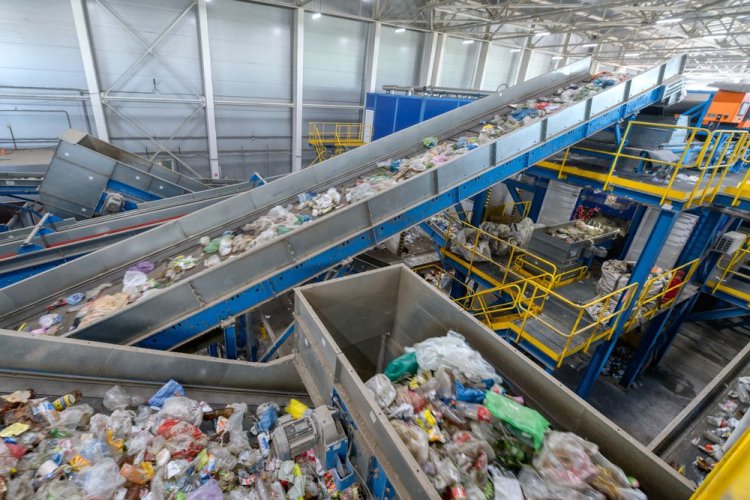
European waste incineration plants, which were supposed to be an environmentally friendly alternative to landfills, are facing significant financial difficulties and accusations of polluting the environment.
This was reported by POLITICO.
Using several such enterprises as examples, journalists note that many of these facilities are becoming “unnecessary assets” that could become an economic burden for Europe. The entire continent is facing growing problems related to the operation of waste incineration plants, which were previously considered a promising solution for waste disposal.
From an environmental alternative to a financial burden
Waste-to-energy plants previously became popular in the EU, where more than 500 such facilities are currently in operation. The idea of converting waste into energy was presented as a more environmentally friendly alternative to landfills, but there is growing evidence that waste incineration is far from a clean process.
Operators and investors argue that such plants are necessary to achieve the bloc's goal of sending only 10% of household waste to landfills by 2035. However, many studies point to significant environmental risks. Incinerating waste, especially plastic, releases large amounts of CO₂, which contributes to climate change.
Environmental concerns and EU policy change
Although these plants provide part of the energy needs, environmental organizations such as Zero Waste Europe believe that waste incineration is not a cleaner option than using fossil fuels. Even greater concerns are raised by the health effects on people living near waste incineration plants.
In 2020, the carbon footprint of this technology ultimately prompted Brussels to exclude waste incineration plants from its list of acceptable “green” projects. Instead, governments are increasingly promoting recycling and waste reduction.
The future of waste incineration plants: obsolescence and new challenges
At the same time, municipalities are still paying off debts accumulated to finance the construction of waste incineration plants. This creates a paradoxical situation where local authorities that are in debt for the construction of these facilities may find themselves faced with their obsolescence as EU countries strive to achieve waste reduction and recycling targets.
Meanwhile, some countries, such as Denmark, are still building new plants, despite their excess capacity and the growing volume of imported waste for incineration.
Critics argue that, at best, waste incineration plants risk becoming unpopular relics of misguided waste management policies. At worst, existing debt-financed plants could become “stranded assets” that cannot find enough waste to burn to ensure their commercial viability.
Whether Europe will be able to strike a balance between energy needs and environmental protection remains an open question, as new challenges related to waste management are emerging on the horizon.
In June, EcoPolitic reported that a modern waste processing center is planned to be built in the Obukhiv district of the Kyiv region, which will ensure the ecological disposal of waste and the production of electricity.