The UK spent £1 billion to shut down wind turbines: what happened

The UK spent £1 billion to shut down wind turbines: what happened shutterstock
Hanna Velyka

Experts talk about the need for market reform in the energy sector

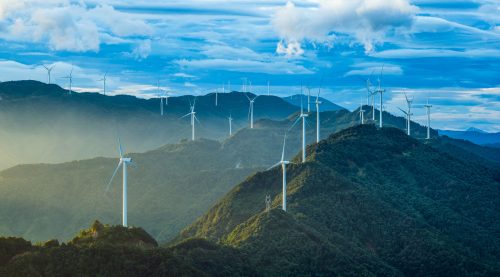
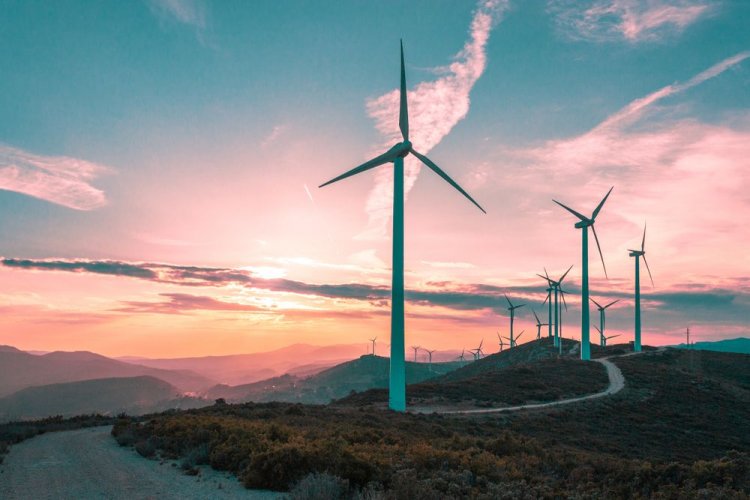
Due to the lack of infrastructure for transporting energy during peak hours in 2024, the UK spent £1 billion to temporarily shut down wind turbines because the power system could not cope with the power it received.

The Telegraph writes about this.

The publication explained that during periods of strong winds, power plants are paid to shut down. This is done to prevent a power surge that could overload the grid. Households and businesses pay the cost of this policy in their electricity bills.

Official data show that the volume of “curtailed” wind power in the first 11 months of 2024 amounted to approximately 6.6 TWh. This is more than the volume for the whole of last year, which amounted to 3.8 TWh.

The Telegraph says that the reason was the opening of new wind farms when the country still lacks the infrastructure necessary to transport all the electricity generated during peak hours.

According to Clem Cawthon, a representative of the Octopus energy company, the UK needs to change the rules governing the energy system. This will help to maximize the efficient use of domestic energy and reduce bills for citizens.

Experts from the National Energy System Operator (NESO) say that if the rules are not changed, the cost of reducing generation will increase to £6 billion by 2030. According to them, a decision on market reform should be made soon.

Earlier, EcoPolitics wrote that the EU will allocate €4.8 billion of revenues from the sale of quotas to net-zero projects.

Related
Officially, the foundations for the wind farm in Runa were built illegally. Government agencies are facing an investigation

Lawmakers are also calling for the lifting of the moratorium on environmental inspections

Blocking CBAM mitigation measures, banning ETS offsets: the EU is preparing changes

At the same time, the European Union aims to mitigate the impact of the energy crisis by reducing taxes on clean energy

Biodiesel in Ukraine could replace up to 30% of imported fuel. What should the government do?

Currently, this type of biofuel is produced on a large scale only when the price of oil remains above $100 per barrel for an extended period

Greenhouse gas emissions continue to fall in the EU. The reasons are renewable energy and the economic downturn

In particular, economic activity in the construction sector has declined