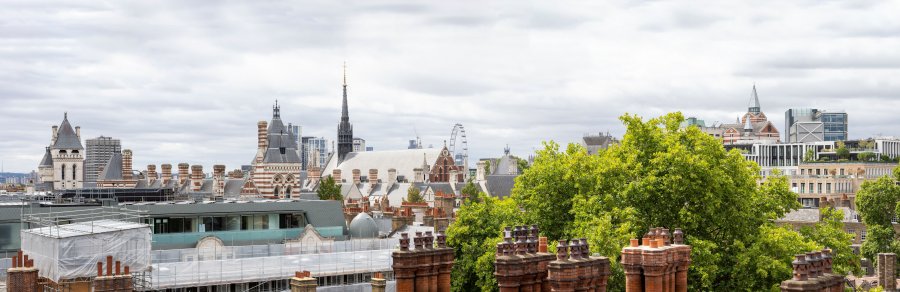
Painting London's rooftops white could have saved hundreds of lives during the record-breaking hot summer of 2018.
These results of the study were published by scientists from University College London (UCL) and the University of Exeter, Euronews reports.
According to the scientists, changing the roof color could have prevented the deaths of about 249 people, or 32% of the 786 heat-related deaths that occurred in London in the summer of 2018. Then, the average temperature from June to August was 19.2°C – about 1.6°C higher than usual for this time of year.
The scientists calculated that if all the roofs of the capital were light-colored, this would have helped to reduce the temperature in the city by 0.8°C.
“The resulting cooling effect across the city will save lives and improve the quality of life of residents across the urban area,” said study lead author Dr Charles Simpson from the UCL Bartlett School of Environment, Energy and Resources.
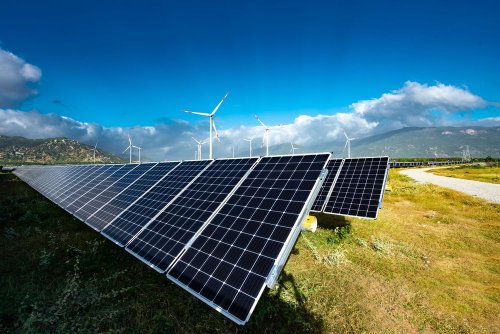
Covering all of London's roofs with solar panels would also help reduce heat-related deaths while producing energy, scientists say. This might have cooled the city less than light roofs – by only about 0.3°C – but would have avoided the deaths of 96 people – 12% of summer 2018 heat-related deaths.
Additionally, over this three-month period, solar panels could potentially generate 20 TWh of electricity, representing more than half of London's energy consumption for the whole of 2018.
Finding ways to cool cities is becoming increasingly important due to climate warming, since the majority of the world's population lives in cities.
“The need to adapt our cities to climate change is clear, and repainting roofs is one possible solution,” says study co-author Professor Tim Taylor from the University of Exeter.
EcoPolitic recently wrote about how artificial intelligence and virtual reality can help in the fight against climate change.