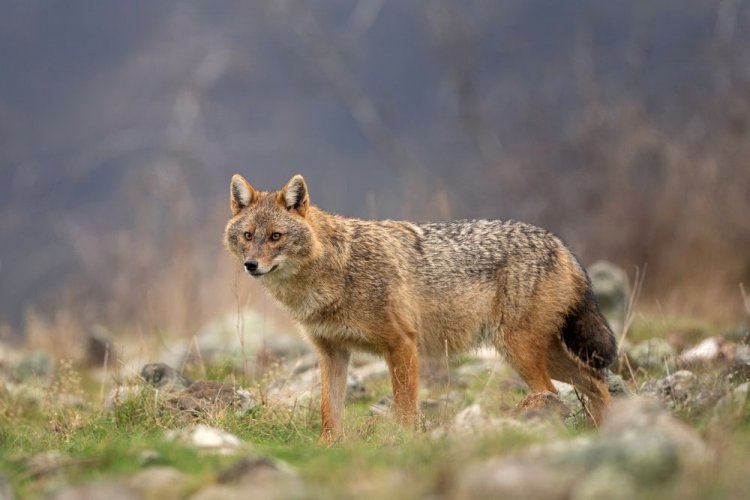
A new species of large carnivorous mammal, the jackal, was recorded on the territory of the Chornobyl Reserve, not far from Lubianka.
This was reported by the press service of the Chornobyl Radiation and Ecological Biosphere Reserve.
Previously, the reserve has already seen jackal tracks, and now the predator itself has been spotted.
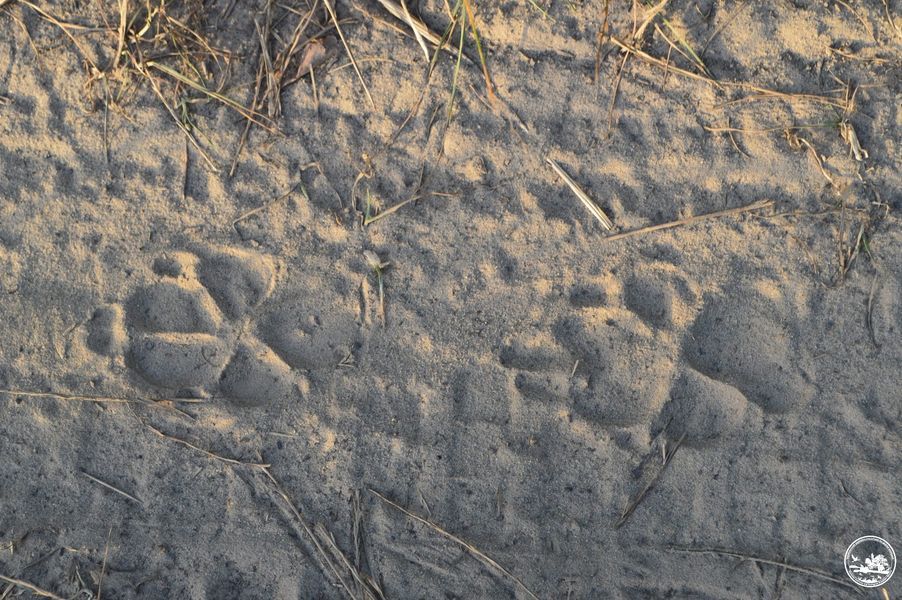
The jackal is a scavenger and actively adapts to the anthropogenic landscape, thanks to which at the beginning of the 21st century it expanded its range up to the exclusion zone.
"In most peoples, the image of the jackal is negative, as it represents cowardice, arrogance, villainy, and even meanness. However, for nature, it is another species of animal that has the right to life, especially if it is actively chosen. Another matter, as with at times, the population of this predator will behave if it manages to establish itself and multiply in the protected territory," the reserve notes.
As EcoPolitic previously reported, in Kyiv region in the Chornobyl zone employees of the reserve noticed a record number of moose.