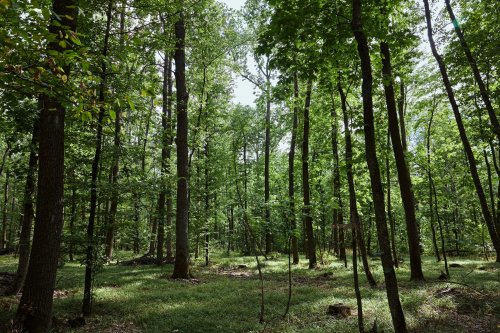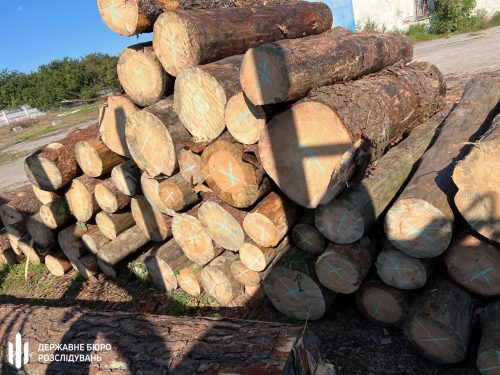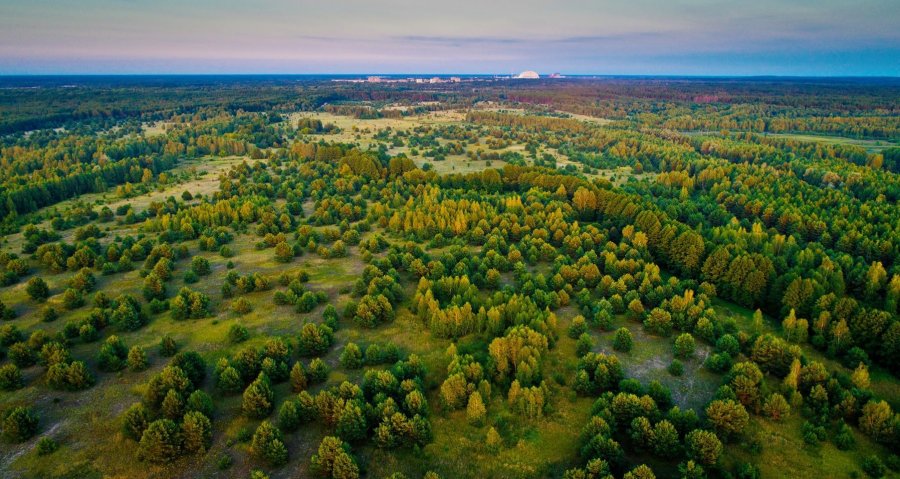
In 2024, 88 new territories and objects of the nature reserve fund (NRF) with a total area of 2,937 hectares were created in Ukraine, the lowest figure for the past decade.
The statistics on this area of environmental protection were provided by experts of the Ukrainian Nature Protection Group (UPG).
They reminded that, according to the European Biodiversity Program, Ukraine should increase the area of the nature reserve fund from 6.7% of the country's total area to 30% by 2030.
“That is, today only 1/5 of the required figure has been created in Ukraine. And according to the State Strategy for Sustainable Development, by 2030, Ukraine should reach 15%,” the UPG noted.
Who is in the lead
Experts said that last year, new protected areas appeared in 13 regions. Kyiv region is in first place in terms of the number of protected areas created last year. It added 23 new sites, but their total area is quite small – only 98,333 hectares.
In terms of area, it is among the top three:
- Lviv region – 12 territories and protected areas with a total area of 704.55 hectares were created here;
- Odesa region – with 3 new protected areas covering 635.3934 hectares;Kirovohrad region – 4 territories and protected areas with a total area of 473.1 hectares were added.
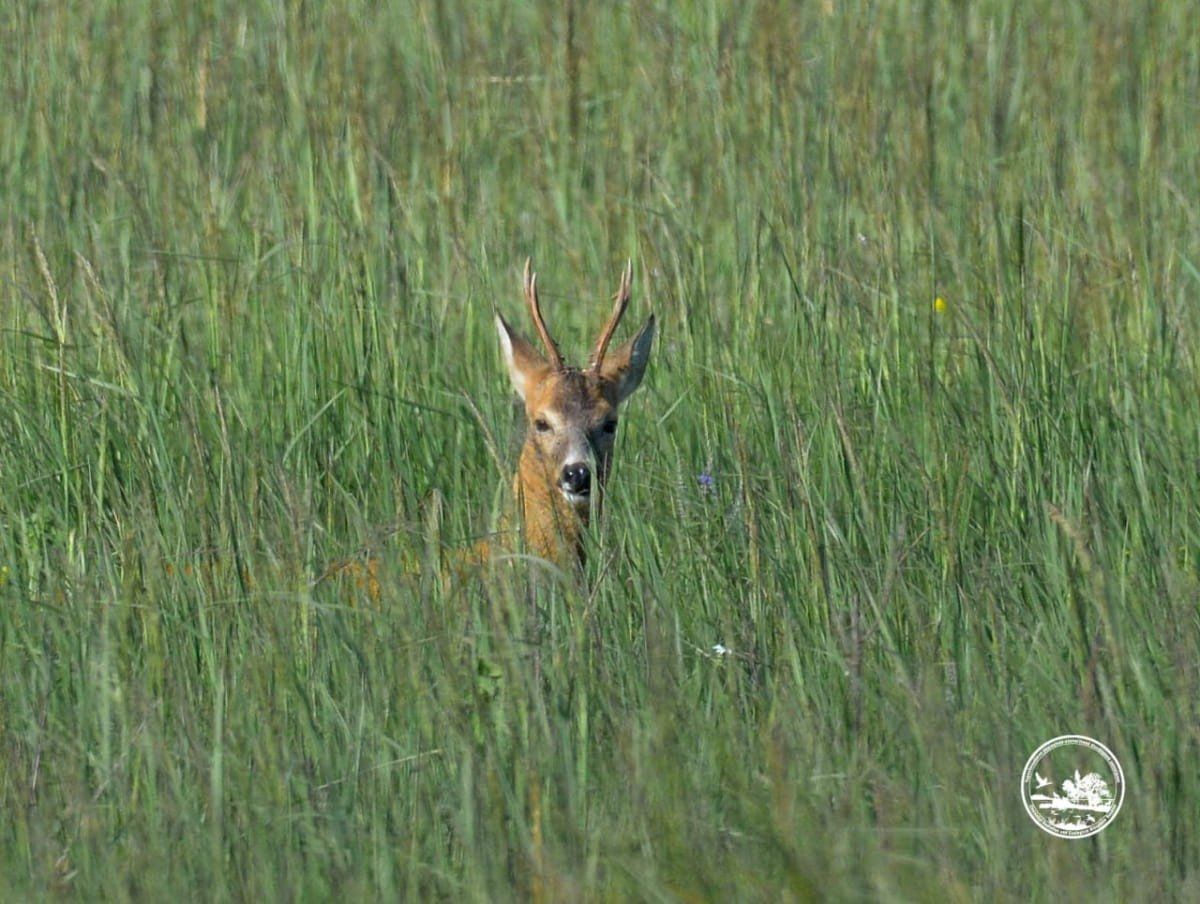
Photo: Facebook/Chornobyl Radiation and Ecological Biosphere Reserve
Who is lagging behind
Military actions, occupation and annexation prevented the creation of protected areas in Kherson, Zaporizhzhia, Luhansk oblasts, the Autonomous Republic of Crimea and the city of Sevastopol.
“At the same time, Zakarpattia, Khmelnytskyi, Dnipro, and Chernivtsi regions did not create new protected areas, although they had all the opportunities to do so,” the UPG said.
According to conservationists, Kharkiv, Volyn, and Ternopil regions did not create new protected areas, but only slightly expanded the existing ones by a very small area of a few hectares. This does not particularly affect the increase in the area of protected areas and the preservation of areas valuable for biodiversity, the UPG says.
In 12 protected areas and objects in different regions, the area has increased by a total of 547.7221 hectares. For 8 sites in the Kyiv region with a total area of 27.5 hectares, the protected status was canceled altogether. The area of 7 protected areas was reduced by a total of 949.7279 hectares.
“It should be recognized without exaggeration that the 'success' of the creation of protected areas in Ukraine in 2024 is the worst in the last 10 years,” the conservationists stated.
In mid-January, EcoPolitic reported that 96% of the protected Kinburn Spit was destroyed by fires due to military actions by the Russian Federation.