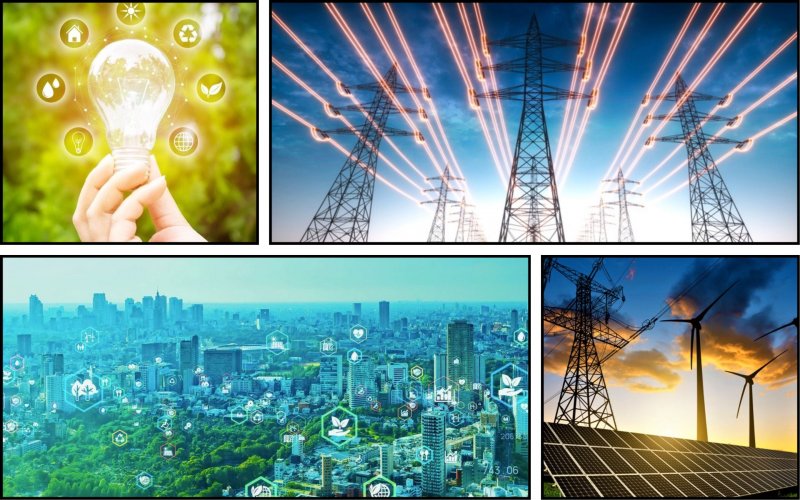
To meet the world's climate and energy goals, 80 million kilometers of power lines need to be added and replaced by 2040.
This is stated in the first global analysis by the International Energy Agency (IEA) of the state of the world's power grids, reports Energy Monitor.
It is noted that such an indicator is equal to the entire existing global network. Lack of attention to this issue will create a weak link in the Green Transition.
The IEA emphasized that in order to achieve climate goals, electricity use must grow 20% faster in the next decade than in the previous one. Expanded networks are critical to the electrification and subsequent decarbonisation of many sectors, including electric vehicles, electric heating and cooling.
The report explained that if countries meet their energy and climate targets on time, wind and solar will account for more than 80% of the total increase in global electricity capacity by 2040. During 2000-2020, this indicator reached 40%. Currently, about 1.5 TW of new green capacities are at a late stage of development.
"The recent clean energy progress we're seeing in many countries is unprecedented and encouraging, but it could be jeopardized if governments and businesses don't come together to ensure the world's electricity grids are ready for the new global energy economy that is developing rapidly," said IEA Executive Director Fatih Birol. "This report shows what is at stake and what needs to be done. We must invest in networks today or face a dead end tomorrow."
Delays in network expansion could significantly exacerbate climate change, it said. In particular, carbon emissions during 2030-2050 will be almost 60 billion tons higher. After all, insufficient expansion of the network will lead to a slowdown in the deployment of RES and forced dependence on fossil fuels. This is equivalent to the total CO2 emissions of the world's energy sector over the last four years, which would increase the global temperature by more than 2°C.
The IEA calls on governments to expand and strengthen domestic power grids and connect them with other countries. In addition, states should support large-scale power transmission projects, and power grid operators should switch to digital technologies.
Earlier, EcoPolitic wrote, that at the International Energy Agency, rich countries and developing countries have been called on, to dramatically strengthen emission reduction targets, to limit global warming to 1.5°C.
As EcoPolitic previously reported, the president of the upcoming COP28 climate summit, Sultan Al Jaber, said that the world is losing the race to achieve its climate change goals.