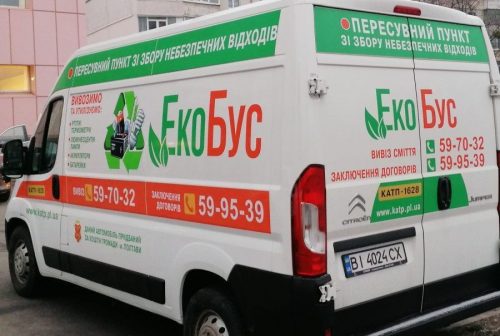
In Ukraine during the fall, chestnuts began to be accepted for 3-8 hryvnias per kilogram at recycling points in a number of cities. You can also sell chestnuts on the Internet at more favorable prices – up to 12 hryvnias per kilogram (price from one ton).
EcoPolitics has prepared a list of cities and addresses where chestnuts are accepted.
Where to bring chestnuts:
Kyiv (4 hryvnias per kg):
- Shkilna Street, 59;
- 112 Evgena Malanyuk Street;
- Mykhailo Hrushevsky Street, 6;
- Gagarina Street, 12;
- Hrushevsky Street, 1A;
- Chudnovsky 7A;
- Hovhannes Tumanyan Street, 1;
- Oleksandra Saburova Street, 3A
- Olena Teliga Street, 25B;
- Obolonsky prospect, 28G;
- Metropolitan Andrey Sheptytskyi street, 24;
Fastiv, Kyiv region (3 UAH):
- St. A. Sayenka, 4-a.
Kropyvnytskyi (3 UAH):
- St. Shevchenko, 6;
Poltava (7 UAH):
- Leonid Kadenyuk Street, 7;
Khmelnytskyi (5-8 UAH):
- pick-up points near the Kamianetski crossing;
Zhytomyr (4 UAH):
- St. Parajanova, 84.
It is worth noting that, according to the chestnut pickers in Rivne, they are accepted at all recycling points. In addition, the campaign "Chestnuts for the Armed Forces" was launched in the region. Volunteers bring chestnuts to the Goshchan village council, and then sell them for 6 hryvnias per kg. The money received will be used to purchase a car for the 117th OMbr of the Armed Forces of Ukraine, where a resident of the village serves.
A similar action with the help of the army was launched in Zhytomyr. Chestnuts can be brought to:
- Lyceum No. 30 (Mon.-Fri. 9⁰⁰-5⁰⁰) – av. School, 4;
- Lyceum No. 4 (Mon-Fri 9⁰⁰-5⁰⁰) – str. Troyanivska, 26.;
- Child Development Center No. 53 "ABVGDEYKA" (Mon-Fri 9⁰⁰-5⁰⁰) – Polsky Bulvar, 7;
- Lyceum No. 27 (Mon-Fri 9⁰⁰-5⁰⁰, building of junior classes and building of senior classes) – ave. Myru, 27;
- "Local cultural space" (daily 9⁰⁰-20⁰⁰, 1st floor) – av. Skorulsky, 5;
- Salesian Lyceum "Vsesvit" (Mon-Fri 9⁰⁰-6⁰⁰) – str. Korabelna, 10;
- "Ostriv" shopping center – "Izyuminka" store (Malikova district) – Polsky Bulvar, 7;
- Zhytomyr Regional Library for Children and Youth (Mon-Fri 10⁰⁰-5⁰⁰, Sun 10⁰⁰-4⁰⁰) – str. Pushkinska, 36;
- Stanyshiv preschool institution "Malyatko" (Mon-Fri 7⁰⁰-7⁰⁰, and during non-working hours and on weekends – leave to security) – st. Kiltseva 2.
As you know, collected chestnuts become raw materials for cosmetics and medicines. Most of the harvested fruits are sent to Europe for processing. Fertilizers and biofuel are made from their residues.
As EcoPolitic previously reported, in 2022 in Poltava, the townspeople handed over chestnuts at a record high price of 5.5 hryvnias per kilogram, which is more than the cost of scrap metal.