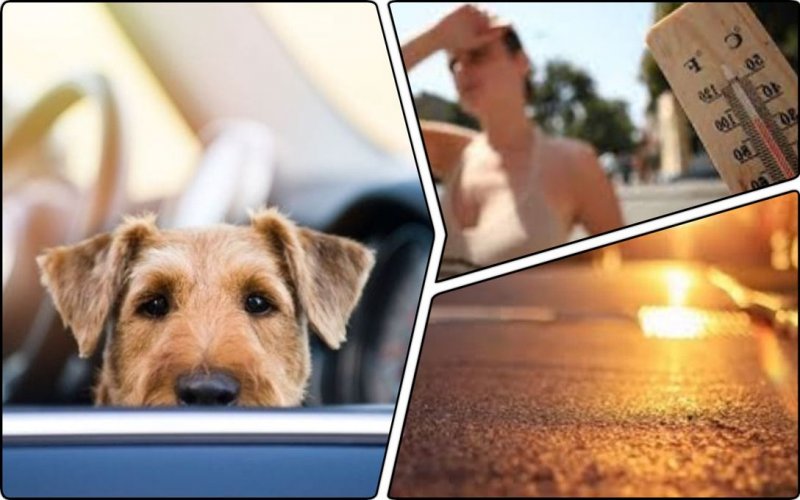
Veterinarians urged Kyiv citizens not to leave animals in the heat in a closed car, because the sun can raise the temperature in the cabin by 20°C in just half an hour.
If the animal is still overheated, experts advise to provide it with help as soon as possible and contact a veterinary clinic, informs KMDA on Telegram.
It is noted that if the animal overheated in the car, it is necessary to urgently:
- move it to a cool, ventilated place;
- wet the stomach, paw pads, earlobes and areas under the armpits with cool water;
- see a veterinarian as soon as possible.
"Even a few minutes spent in such conditions is a serious threat to the life and health of the animal," the KMDA explained.
The message emphasized that there are three municipal veterinary hospitals in Kyiv, namely:
- Darnytskyi district (Virmenska St., 29, phone: 0975639279; 0443666404, 0445639479);
- in the Desnyan district (Elektrotekhnichna St., 5a, phone: 0635520776, 0443666401);
- in Podilsky district (Yaroslavska St., 13a, phone: 0635365337, 0443666405).
As EcoPolitic reported earlier, Ukrainians were urged to help domestic animals survive the summer heat more easily, because cats, dogs and other pets also suffer from high temperatures.