An eco-hotel for insects has appeared in Lviv. Photo

An eco-hotel for insects has appeared in Lviv. Photo
Katerina Belousova

The first insects have already settled

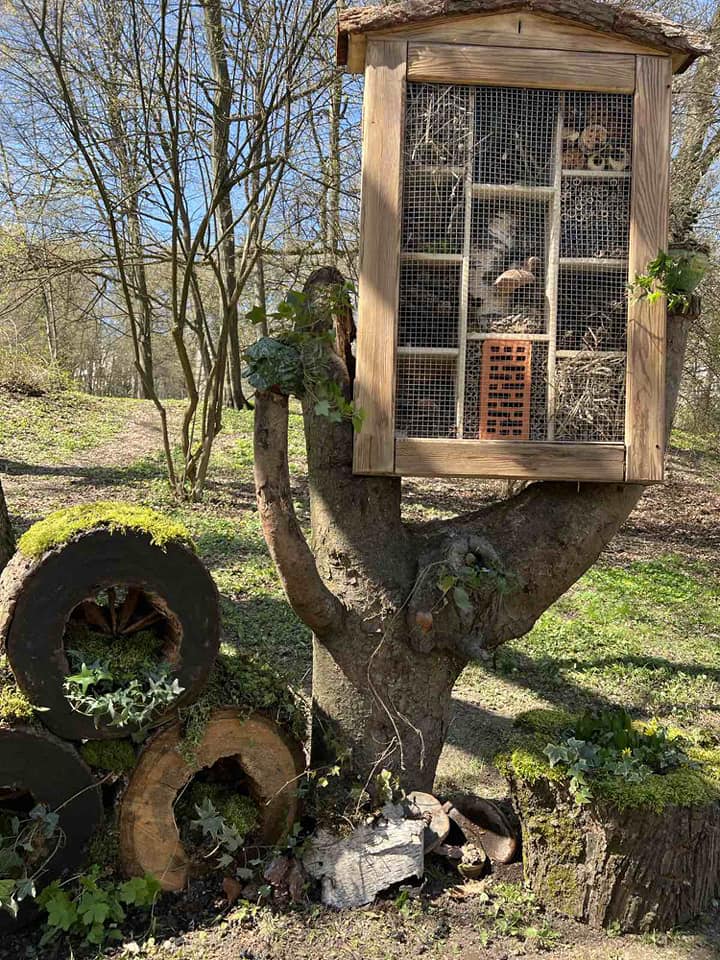
In Lviv, two eco-hotel houses for insects were installed in Stryi Park, where they will be able to survive the winter more easily.

The houses have several separate departments for different types of insects that help fight pests and pollinate flowers, the urban planning department of the Lviv City Council reports on Facebook.
facebook.com/lvivmistobud

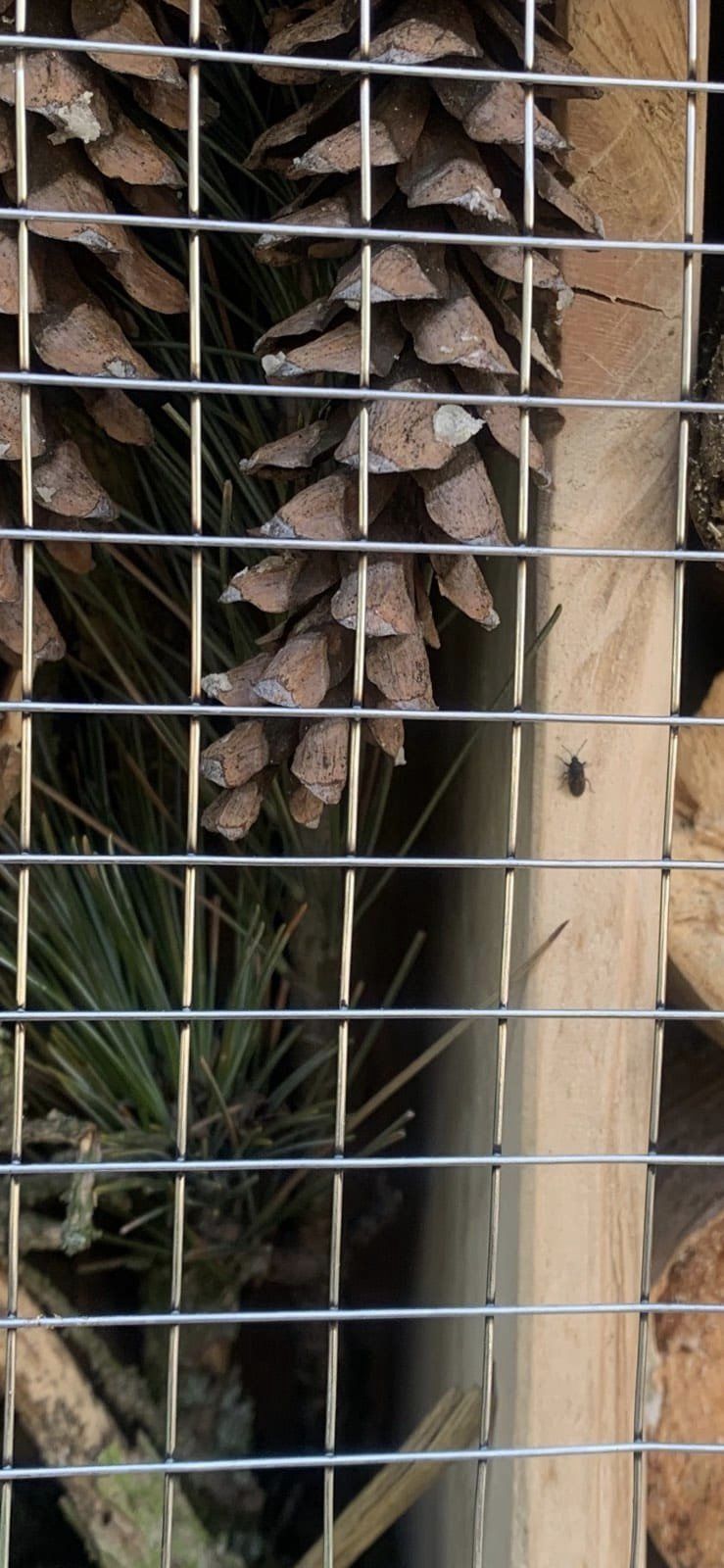
Each individual room for insects contains the necessary conditions for life, including dead wood, green branches, cones, grass, etc.

The message emphasized that such eco-hotels should be installed in city parks and private gardens so that insects have a home.
facebook.com/lvivmistobud

It is planned that additional eco-hotels will be installed in Lviv.

The message emphasized that the eco-hotels were made by park employees from materials at hand, and children helped to install them.
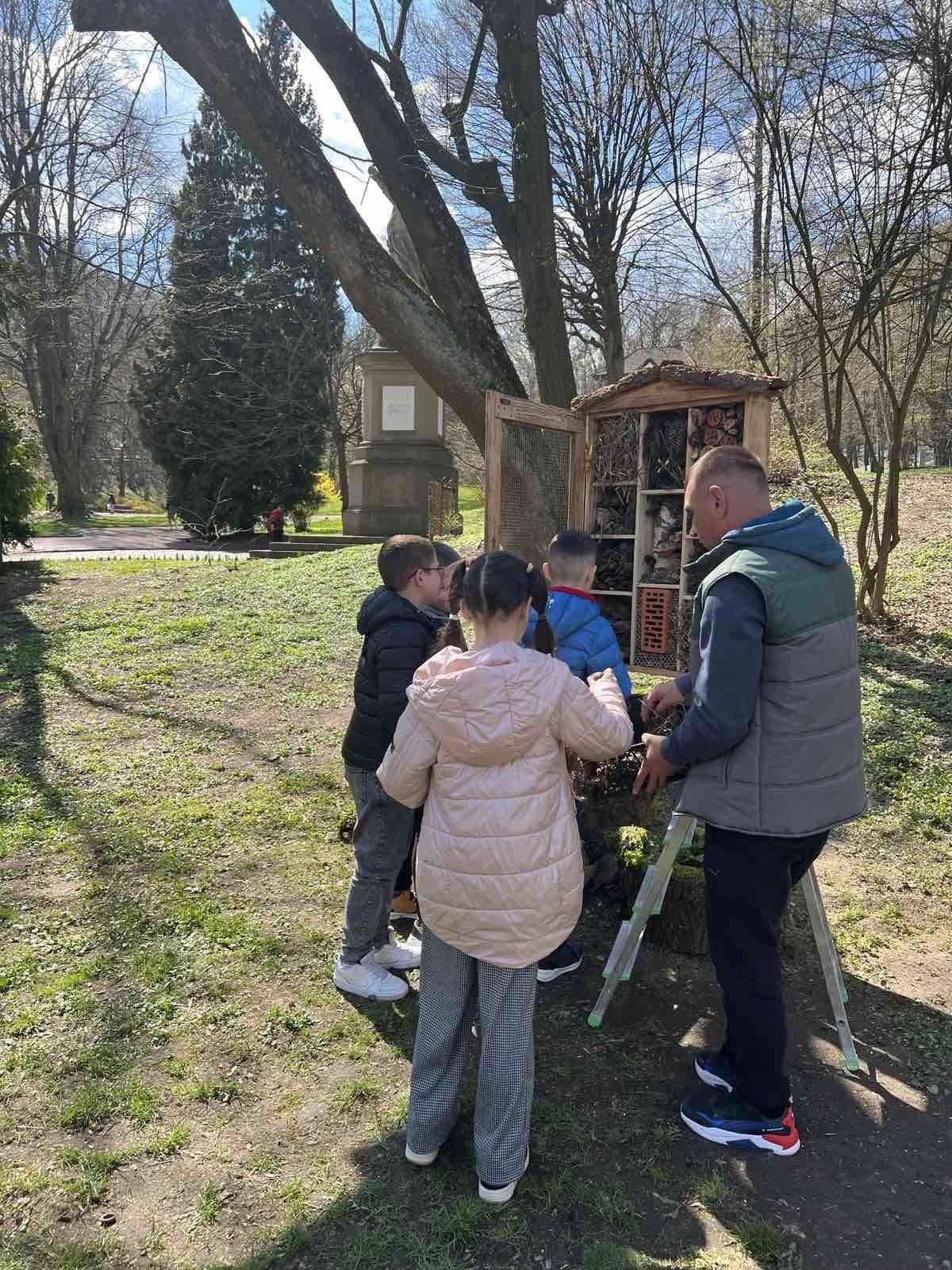
facebook.com/lvivmistobud

"The first residents did not have to wait long - they have already moved in," the report said.

Earlier, EcoPolitic wrote, that a sorting ship was installed in Zamarstyn Park in Lviv, which will help to collect 6 types of waste separately.

As EcoPolitic previously reported, in Kyiv, in Holosiivsky Park named after M. Rylskyi, communal workers installed 13 houses for bats (bat boxes) in order to preserve the population of these animals.
Related
A single national register of domestic cats, dogs and ferrets is being set up in Ukraine

In future, digital veterinary passports will be created on the basis of the register and integrated into Diya

This week’s round-up of environmental crimes: tree felling, environmental pollution and theft of mineral resources

Separately, prosecutors are attempting to return land belonging to the water, forestry and nature reserve funds to the state

The mechanism behind species extinction due to climate change has turned out to be quite different from what scientists had thought

45 per cent of the 5,100 species have become locally extinct in the warmest part of the region, where they previously lived