The content of oil and iron in drinking water exceeded 38 times near Kharkiv

The content of oil and iron in drinking water exceeded 38 times near Kharkiv
Katerina Belousova

Previously, the water quality was "good"

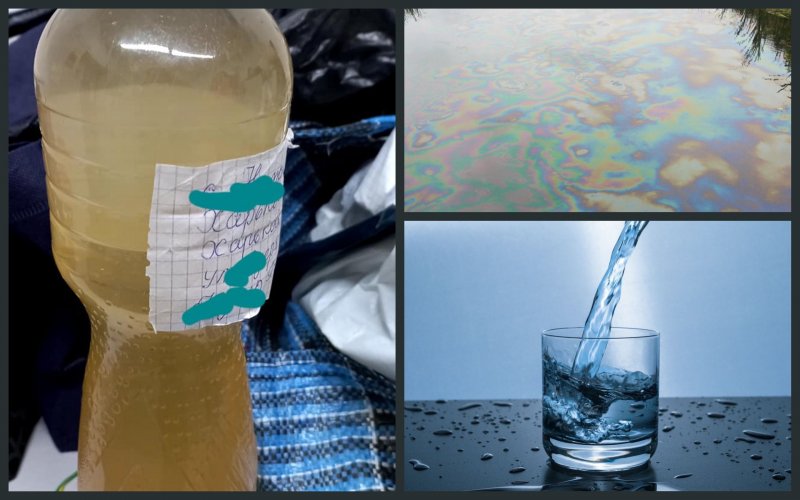
In the Kharkiv region, the water in households and the lake in the villages of Verkhnia and Nizhnya Ozeryana showed an excess of oil products by 11.8 times and iron by 37.7 times.

Specialists of the laboratory, which conducted a chemical analysis of the water, concluded that its quality does not meet drinking water standards, reports the Facebook community "News of Ozeryan".

The report emphasized that, according to local residents, the water quality was "good" before. Then it became brown, sticky, had an unpleasant smell, and an oily film began to form on its surface.

The authors said that the activists took water samples and sent them for analysis to an independent laboratory.

Exceeded maximum permissible concentrations were detected:

  • manganese – 0.084 mg/dm3 (norm – up to 0.05);
  • petroleum products – 0.118 mg/dm3 (norm – up to 0.01);
  • lead – 0.09 mg/dm3 (norm – up to 0.03);
  • cadmium – 0.01 mg/dm3 (norm – 0.0013);
  • total iron – 7.54 mg/dm3 (norm – up to 0.2).

As EcoPolitic reported before, in the Kharkiv region, in the villages of Verkhnya and Nizhnya Ozeryana, the water in households has become yellow and sticky, its surface is covered with an oily film, and the water has acquired an unpleasant smell. Local residents associate such changes with the activities of PrJSC "Ukrgazvydobutok".
Related
EU countries are siding with the oil lobby and the US to delay new rules on methane emissions

Critics point to the lack of infrastructure and the threat to energy imports

Green investments in oil instead of clean energy: EU countries have approved a dubious deal

Corporations will be eligible for sustainable financing even if they invest only 20 per cent of their funds in clean technologies

Corporations must disclose to the public the true impact of AI on nature and the climate — UN

By 2030, this sector will be consuming as much water as the entire population of Africa uses in a year

Communities in the Kharkiv region are refusing to allow environmentalists to establish protected areas

The Regional State Administration even went so far as to break the law by failing to provide either comments or approval of the applications