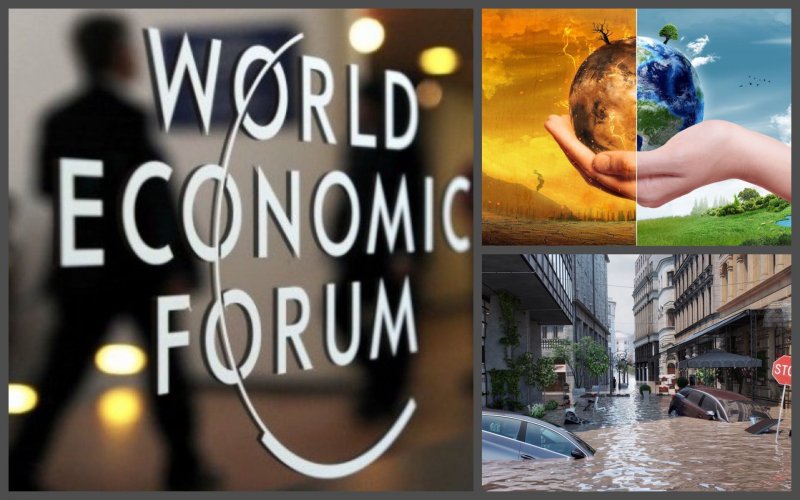
In Davos, Switzerland, on Monday, January 16, the World Economic Forum began, which will be fully devoted to overcoming global world crises, in particular environmental and the Russian-Ukrainian war.
A significant part of the short-term and long-term crises is related to climate change, natural disasters and other environmental problems, Kostyantyn Yalovy, deputy of the Kyiv City Council of the 8th convocation, reports on Facebook.
He emphasized that 1,200 experts from different countries of the world identified the main risks facing the planet in the short-term (2 years) and long-term (10 years) perspectives in the WEF annual report.
Short-term risks:
- rising cost of living;
- natural disasters;
- extreme weather events.
Yalovy noted that half of the crises in the "top ten" are related to ecology.
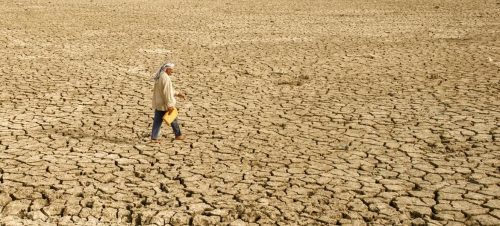
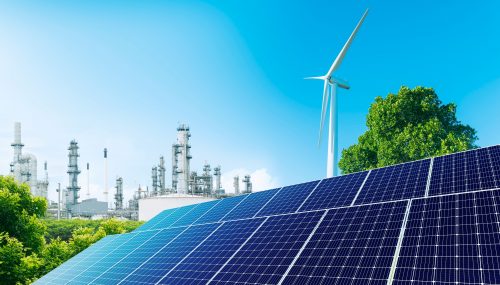
He added that in the long term, almost all of the largest risks are related to the environment in one way or another, and 4 of the top five are related to climate change.
Long-term risks:
- failure to mitigate climate change;
- failure to adapt to climate change;
- natural disasters and extreme weather events;
- biodiversity loss and ecosystem collapse;
- large-scale forced migration.
Yalovy said that experts also included in the top ten long-term risks:
- crisis of natural resources;
- geoeconomic confrontation;
- incidents with large-scale environmental damage
He emphasized that some of these issues have already been raised at previous forums. However, the world is not responding quickly enough to challenges, and business priorities are still ahead of environmental ones.
"We hope that the situation will change this year. After all, it was not enough to declare problems, invite eco-activists to speak, and simply issue bright brochures. We should make serious decisions, convey them to the governments of our countries and implement them," Yalovy said.
As EcoPolitic reported earlier, climate change became one of the five the main global risks for 2023, along with threats from global extremism, cyber threats, deepening political polarization and operational risks, including the energy crisis.