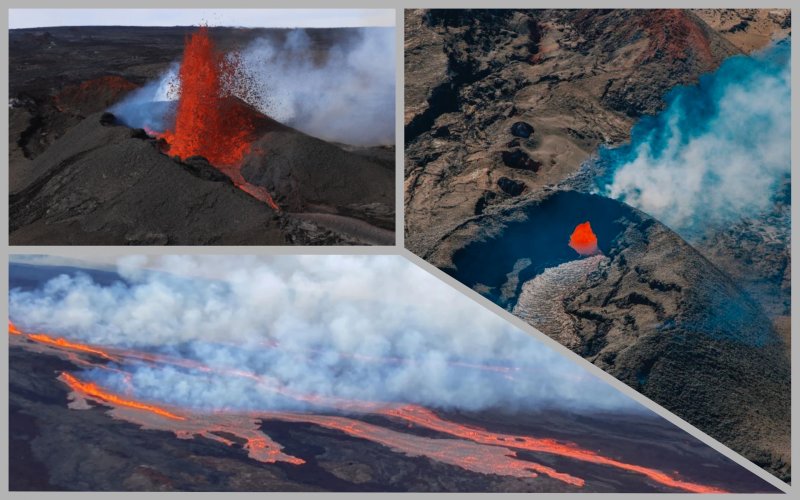
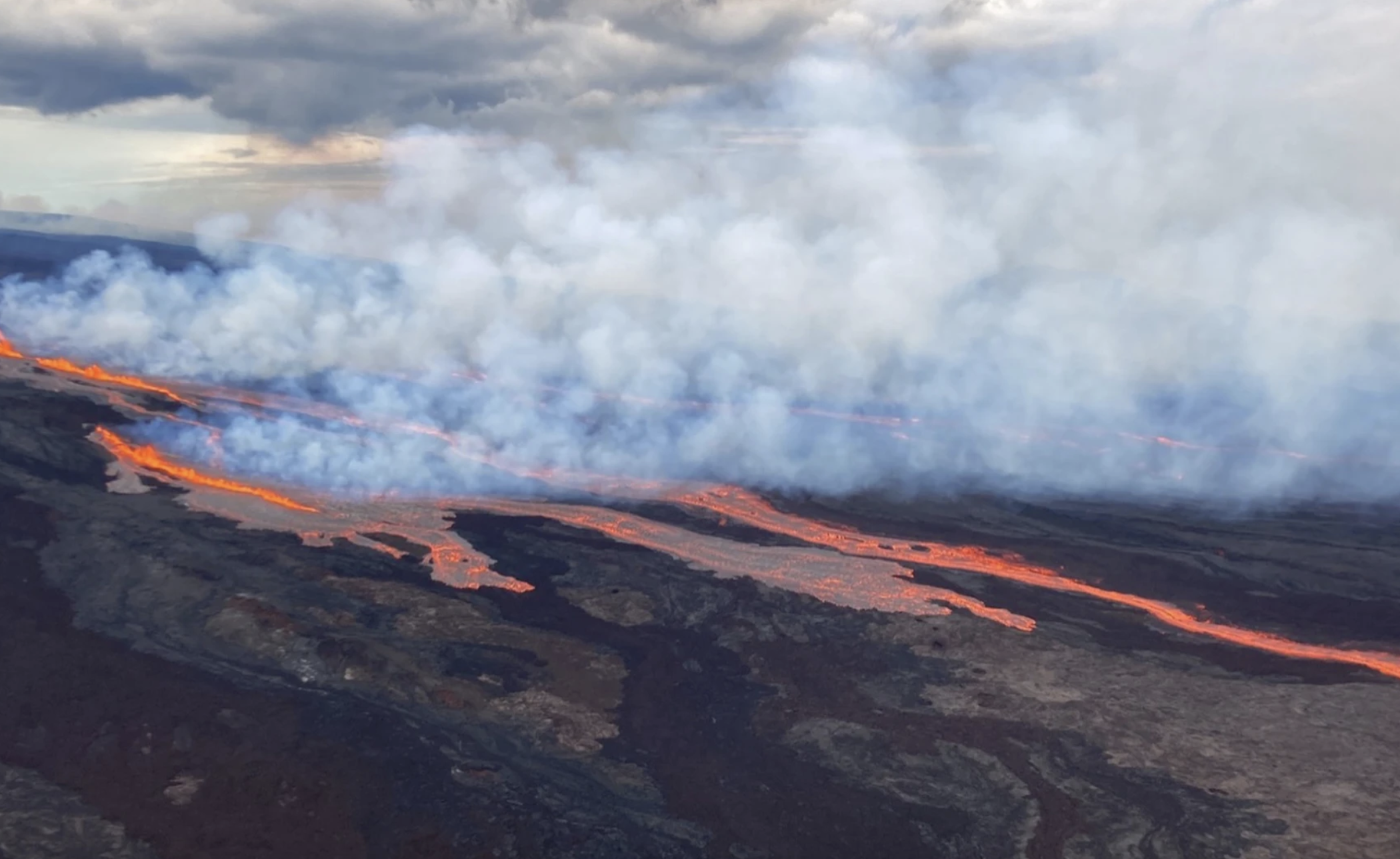
In the USA, the eruption of the largest active volcano Mauna Loa in the state of Hawaii continues, which will have significant negative consequences for the climate and the environment.
In addition, the volcanic activity interrupted key monitoring of atmospheric carbon dioxide, which had been carried out almost continuously for 60 years at the Mauna Loa Observatory, reports Discover.
It will have a significant impact on the understanding of climate systems.
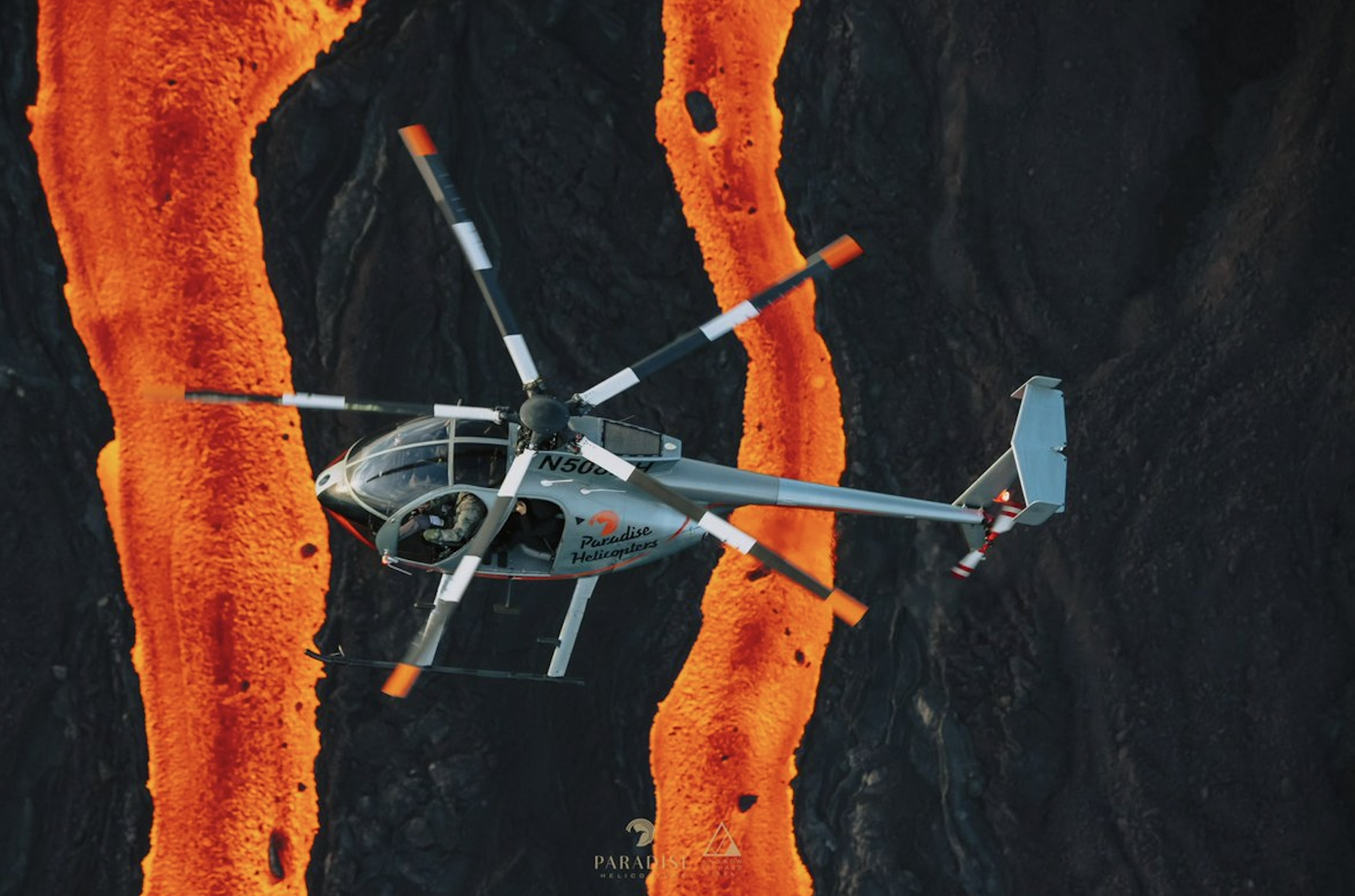
twitter.chom/Paradisecopters
The article explained that in order for scientists to see how the process of carbon absorption and emission and abnormal climate events is happening, they need accurate continuous monitoring.
The volcano woke up on November 27, for the first time since 1984. It used to happen every 5 years.
kpbs.org
However, according to Reuters, on Saturday, December 10, lava emissions from the volcano decreased. According to the observatory, currently eruption poses a limited hazard.
Mauna Loa is still steadily flowing 🌋 It’s astounding watching the island grow with every passing day!
❗️Update as of 5:00am 12/6 the lava is less than 2 miles from Saddle Rd and is slowly moving 20 ft per hour ❗️
🎥 @shibbystylee
🚁 @paradisehelicopters pic.twitter.com/TFMEqYzlcC— Paradise Helicopters (@Paradisecopters) December 7, 2022
The article noted that the behavior of the volcano indicates that the eruption may stop soon.
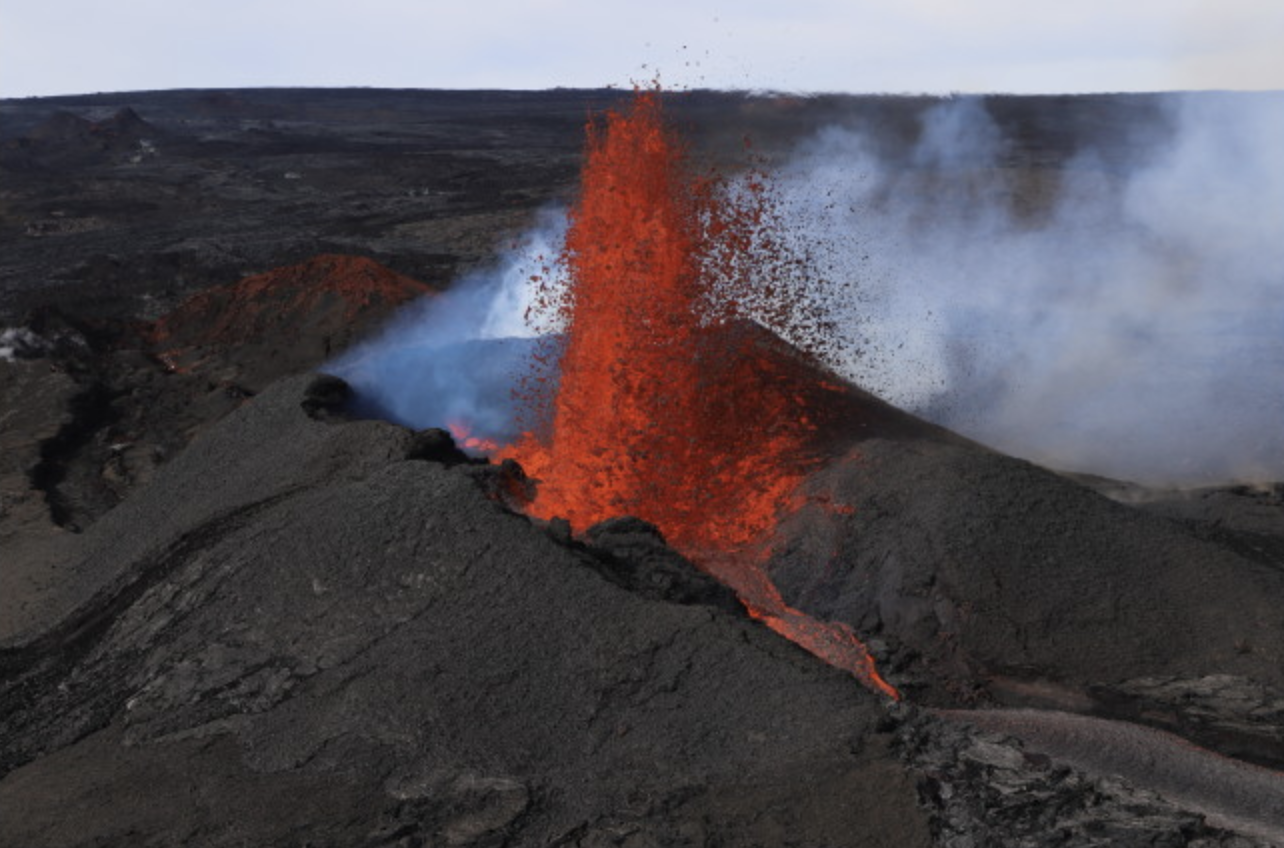
Mauna Loa has been spewing 120,000-180,000 tons of sulfur dioxide into the air per day since the eruption began, according to the US Geological Survey Space.com.
discovermagazine.chom
Sulfur dioxide air pollution at ground level irritates the human respiratory tract, which can lead to an increased risk of infections.
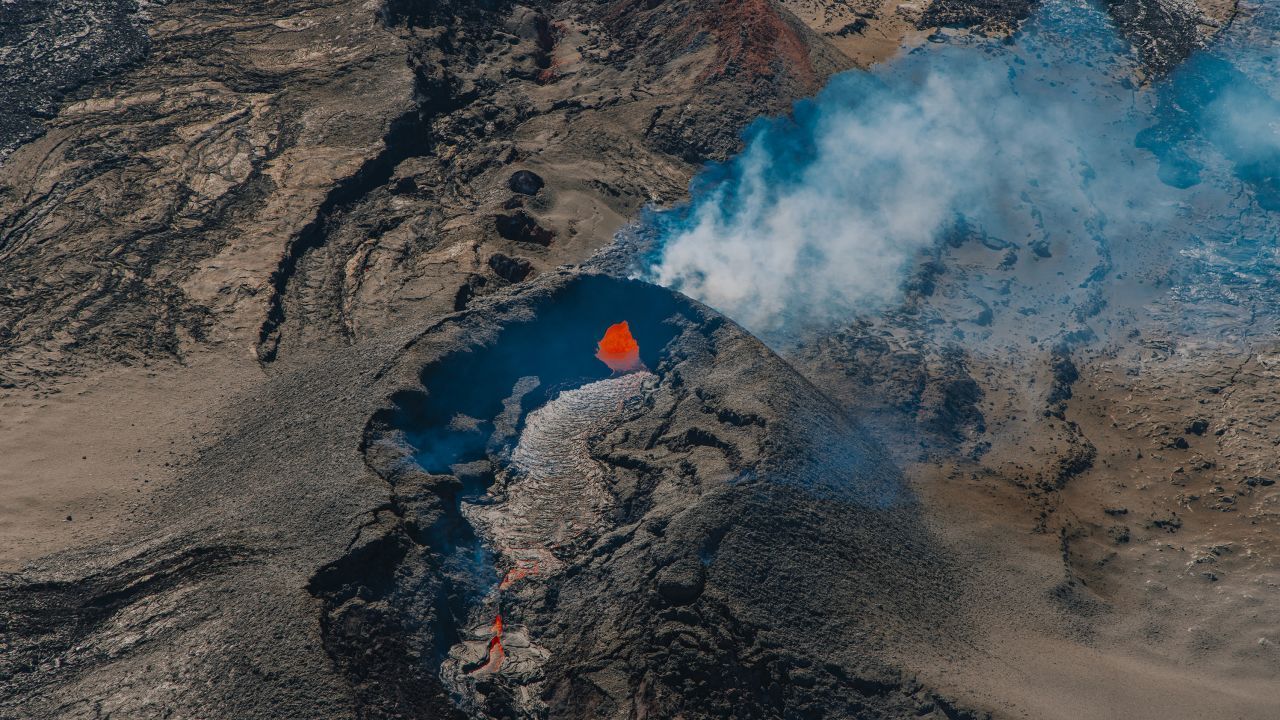
"At high altitudes, over 15 km, sulfur dioxide can affect the Earth's climate by reflecting sunlight off the planet. The emission cloud is moving eastward toward the west coast of the United States, crossing the southern United States and circling over the Caribbean and the countries of Central America," the material said.
edition.cnn.com
Falling ash can damage vehicles, buildings, and plants, pollute water sources, and disrupt sewerage and electrical systems.
As EcoPolitic reported before, Sinabung volcano, located in the province of North Sumatra (Indonesia), threw out a pillar of volcanic ash to a height of 5000 meters above the top of the crater.