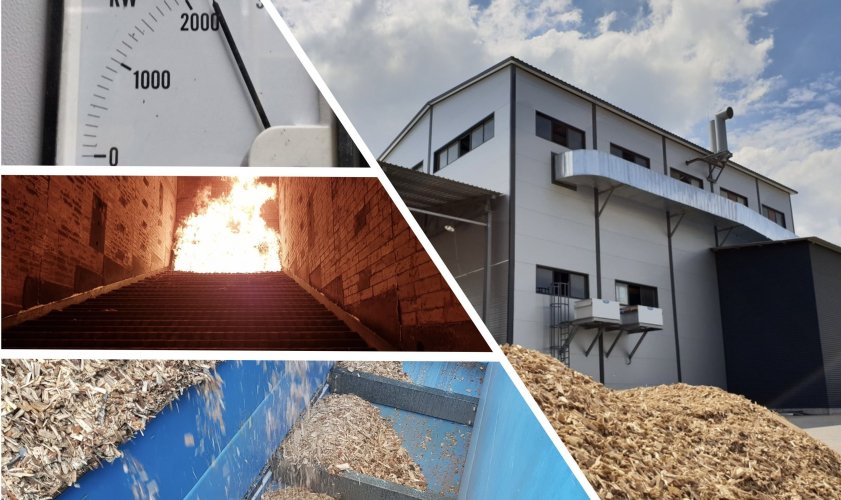
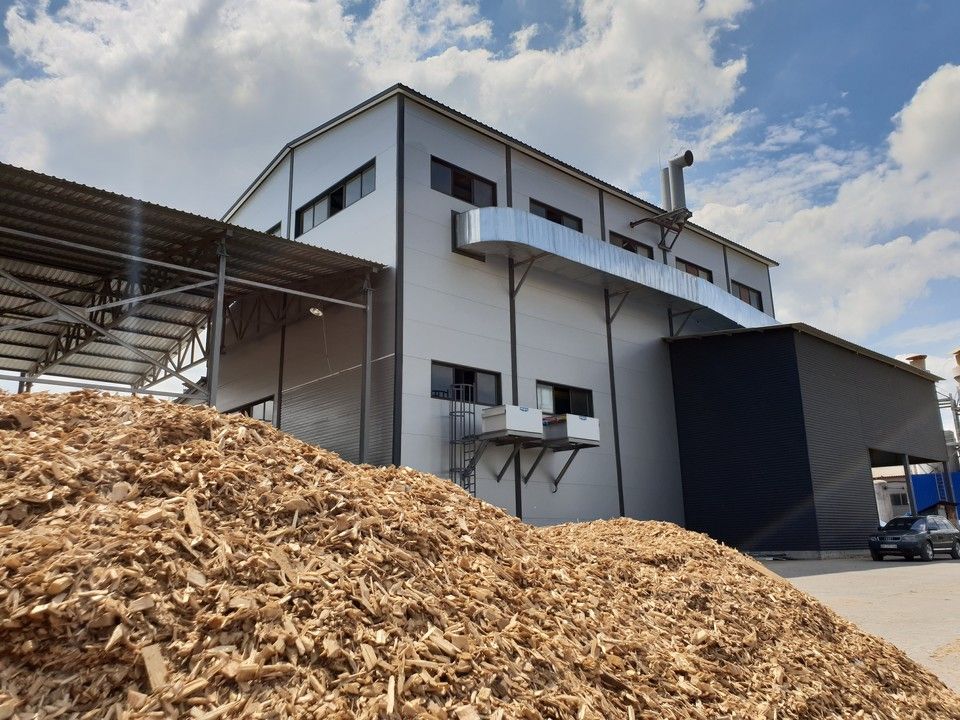
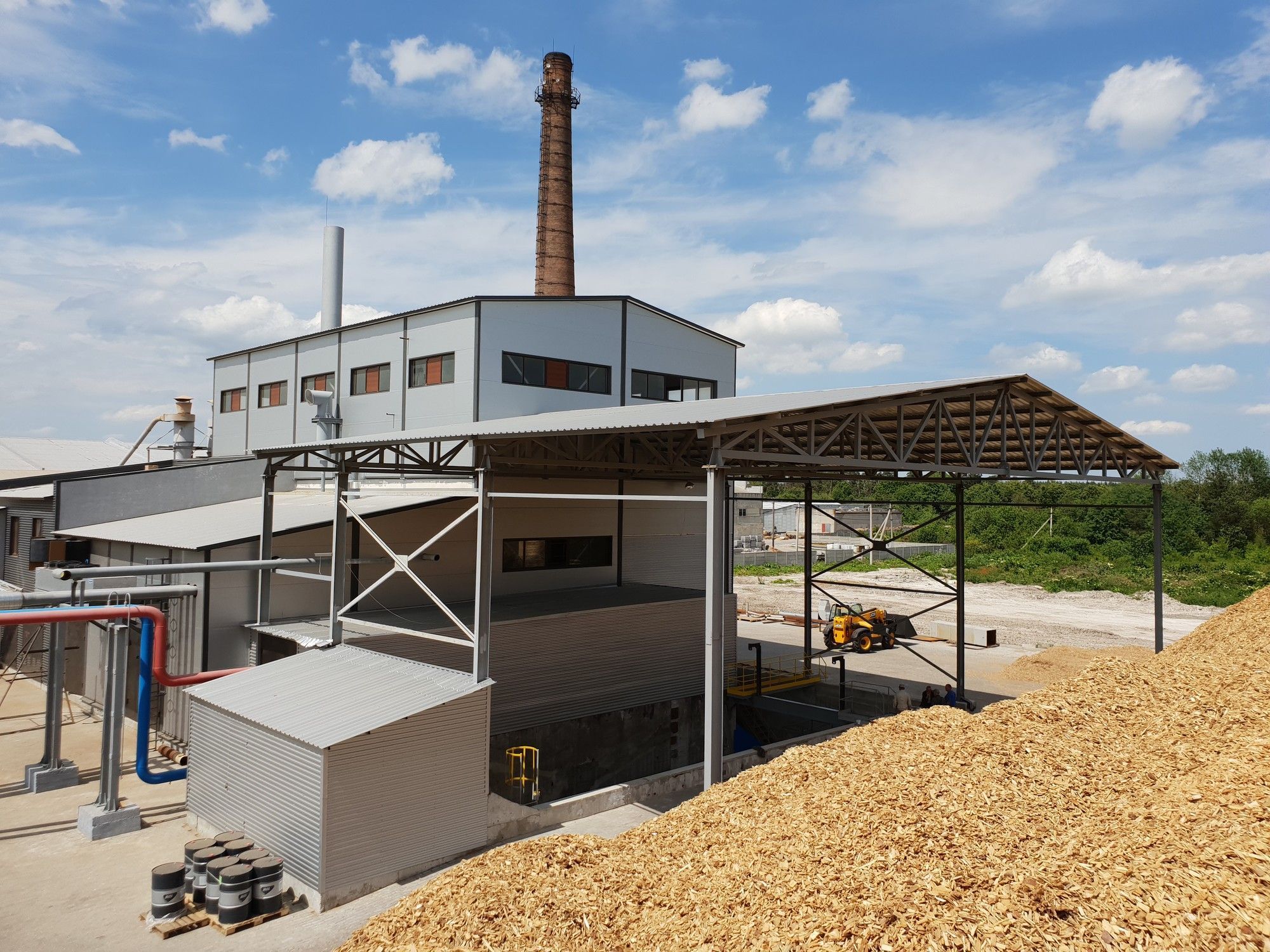
In Lviv, the Mebel-Service company generates heat (capacity 8 MW) and electricity (capacity 2.2 MW) from waste from its production at its own bio-thermal power plant.
This is the first bio-thermal power plant in the Lviv region that works on waste from furniture production – wood chips, which provides itself and about 8 thousand families with energy, the Bioenergy Association of Ukraine reports on Facebook.
The enterprise is not only energy-independent, but also sells surplus energy produced into the country's general electricity grid.
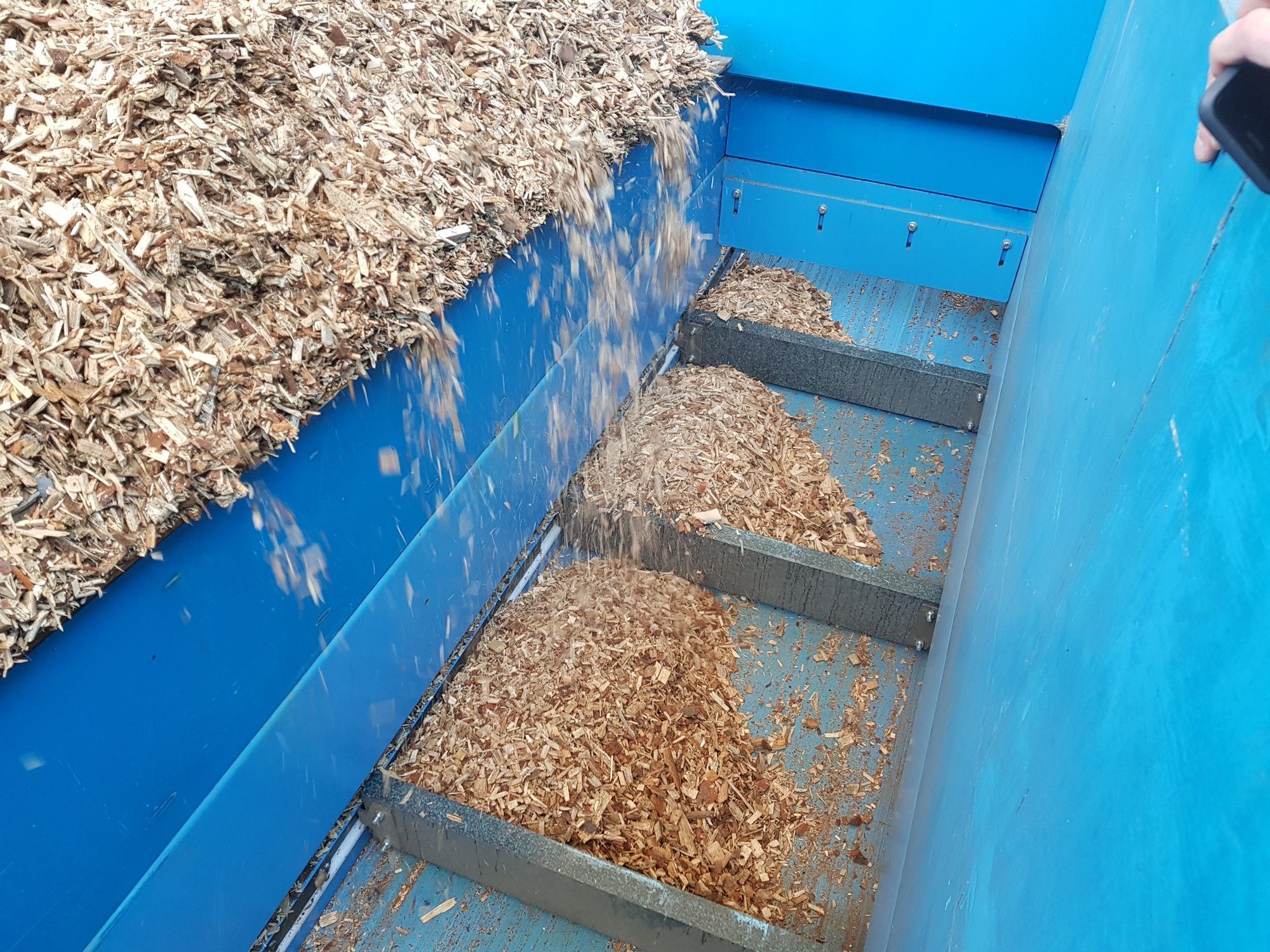
Every day, 110 tons of wood chips are burned at the biothermal power plant, which produces 52,000 kWh of electricity, of which 45,000 to 47,000 kWh enters the power grid, and the rest provides the company's internal needs.

Such amounts of energy are enough to meet the needs of 8 thousand households, i.e. the life of a town with a population of 10-13 thousand.
The station is served by 14 employees, and all processes at the bio-TPP are automated and controlled by the program.
The material explained that the company had at its disposal the territory where the woodworking lines were installed. And on 2 hectares of land free from development, a bio-thermal power plant was placed.
"Since there was already production here, there was all the necessary energy infrastructure. The location is excellent, as a significant part of the fuel for the thermal power plant is produced nearby," the report says.
The equipment, including furnace, steam boiler, superheater, economizer and turbine condenser, etc., was supplied from Austria. The project was implemented by the Austrian company ICS ENERGIETECHNIK, which specializes in the development and installation of heat and electricity production systems from biomass.
The construction lasted about a year, and the launch took place in the summer of 2018. Various specialists, in particular, Kharkiv boiler-building enterprise Kotloenergoproject, were involved in carrying out specialized works. Austrian engineers helped with the start-up of the equipment, optimization of its parameters and operating conditions.
Lending of the object was carried out by an Austrian bank on favorable terms, and the cost of the project amounted to UAH 174 million.
Earlier, EcoPolitic wrote, that economic consultant Vadym Novikov said that for Ukraine replacement of natural gas with biomass waste is the easiest and cheapest way to get rid of dependence on russian gas. Such dependence is one of the greatest threats to national security.
As EcoPolitic previously reported, in the Rivne region, which is among the top three in terms of energy saving, in 2022 they plan to reduce fuel consumption by another 10%.