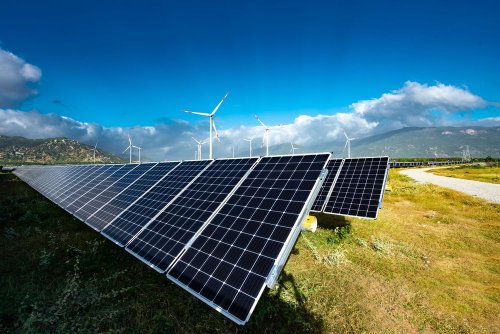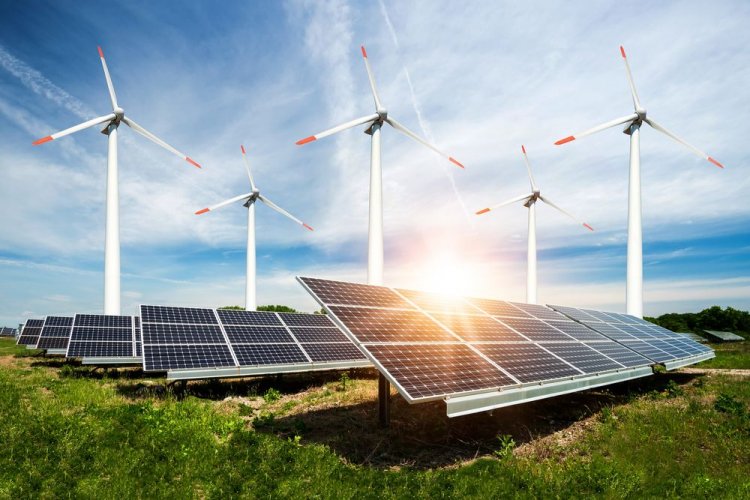
In 2021, global carbon emissions from the production of solar panels accounted for 0.15% of global energy emissions (52 thousand kt), and increased 4 times during the decade.
Polysilicon production remains the dirtiest segment of the solar industry, although over the past 10 years its share has decreased from over 60% to 39%, the Solar Energy Association of Ukraine reports on Facebook.
Over the past 10 years, the capacity of solar panels has increased 7 times.
The transition from polycrystalline to monocrystalline technology increased the share of silicon wafers in the pollution level by 17 percentage points.
A study by the International Energy Agency showed that the greatest influence on the "cleanliness" of the solar industry was given by the concentration of production in China (87% of emissions from production in the industry in 2021 compared to 59% in 2011), where in the provinces with the largest production of solar components, coal occupies about 75% of the energy mix.
Thanks to the improvement of the efficiency of the use of materials, energy efficiency and the reduction of the share of fossil fuels in the production of electricity, the intensity of CO2 emissions has decreased by 45%.
The material also noted that 1 GW of solar power per year can offset 1.5 Mt of carbon from coal-fired generation.
Earlier, EcoPolitic wrote, that in 2030 the cost of recycled materials of photo modules will be more than $2.7 billion, currently $170 million, and $80 billion by 2050.
As EcoPolitic previously reported, the Ukrainian entrepreneur developed vertical solar panels Attspodina WeDoSolar, which can be placed on balconies.