During war, explosions, fighters, tanks and other weapons cause damage not only through direct contact with and contamination of the environment with chemicals. Thus, the noise pollution they create negatively affects sleep, migration, reproduction, the ability to hear and track wildlife.
Noise pollution is one of the forms of wave, physical pollution with a set of sounds of different frequency and intensity, and the body's adaptation to it is impossible. Read about the impact of military noise on wildlife in the article EcoPolitics.
Natural ecosystems are often referred to as "terrains" in the military terminology of combat space, adopting an anthropogenic rather than ecocentric view of natural landscapes during periods of armed conflict. As a result, the health and integrity of ecosystems is often neglected.
Military rifles produce a noise of about 150 decibels, and the noise level of the tank during movement can reach 130 decibels. However, some weapons and vehicles can generate significantly higher noise levels.
Aircraft used in military operations can create noise bursts (such as sound impacts, jet booms, rotational pulses, etc.), causing serious health problems for wildlife.
Many animals are known to be more sensitive than humans. So A 2016 study in the journal Audubon found that owls did not hear their prey when the noise level was only 61 decibels. In addition, noises cause diseases of the auditory, endocrine, nervous and cardiovascular systems.
Noise from military aircraft has different effects on wildlife, covering primary, secondary and tertiary effects. These effects can occur during the acute or chronic period and have sublethal and lethal consequences depending on the acoustic duration, intensity and biology of a particular species.
The main consequences may include rupture of the eardrum, changes in hearing ability (temporary or permanent) and masking of auditory signals (eg, inability to recognize the sounds of the victim, predators or other members of the population).
Secondary effects are related to effects on physiological processes that may interfere with the reproduction, production and use of wildlife habitat. Tertiary effects consist of a combination of primary and secondary effects that can lead to population decline, species extinction and degradation habitat.
Marine explosions and sonar operations during the active period of the war can interfere with the daily life of many aquatic species.
Thus, the acoustic frequency used by dolphins and whales coincides with the frequency of sonar, which can cause hemorrhage and disorientation, including throwing ashore.
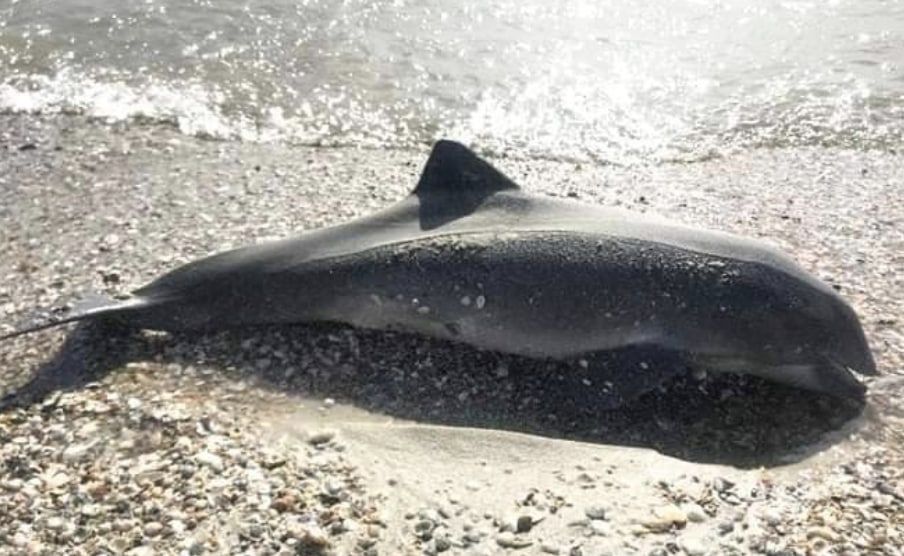
IN Russia's military action in the Black Sea has already caused the mass death of dolphins, as sonar and navigation devices "blind" animals and dolphins to be thrown ashore.
In addition, heavy rocket fire and ammunition explosions in the spring at freshwater spawning grounds are likely to have caused significant damage to fish populations, as their intensity is much higher than domestic variants of poaching explosives, for which criminal liability is provided.
Underwater explosions can also inflict excessive pressure and shrapnel on invertebrates, fish, reptiles, birds and marine mammals.
On land, explosions also damage plants, as the shock wave can damage leaves, branches and uproot plants.
We will remind, environmental activists told about danger of noise pollution.
As EcoPolitica reported earlier, became victims of Russia's war several thousand dolphins in the Black Sea.