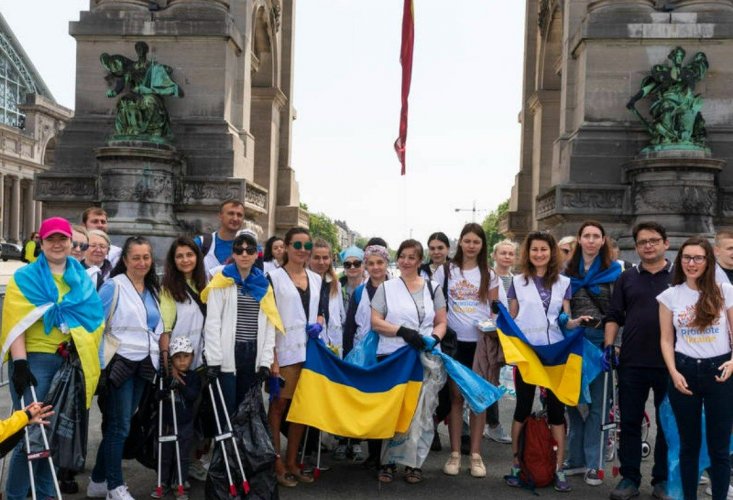
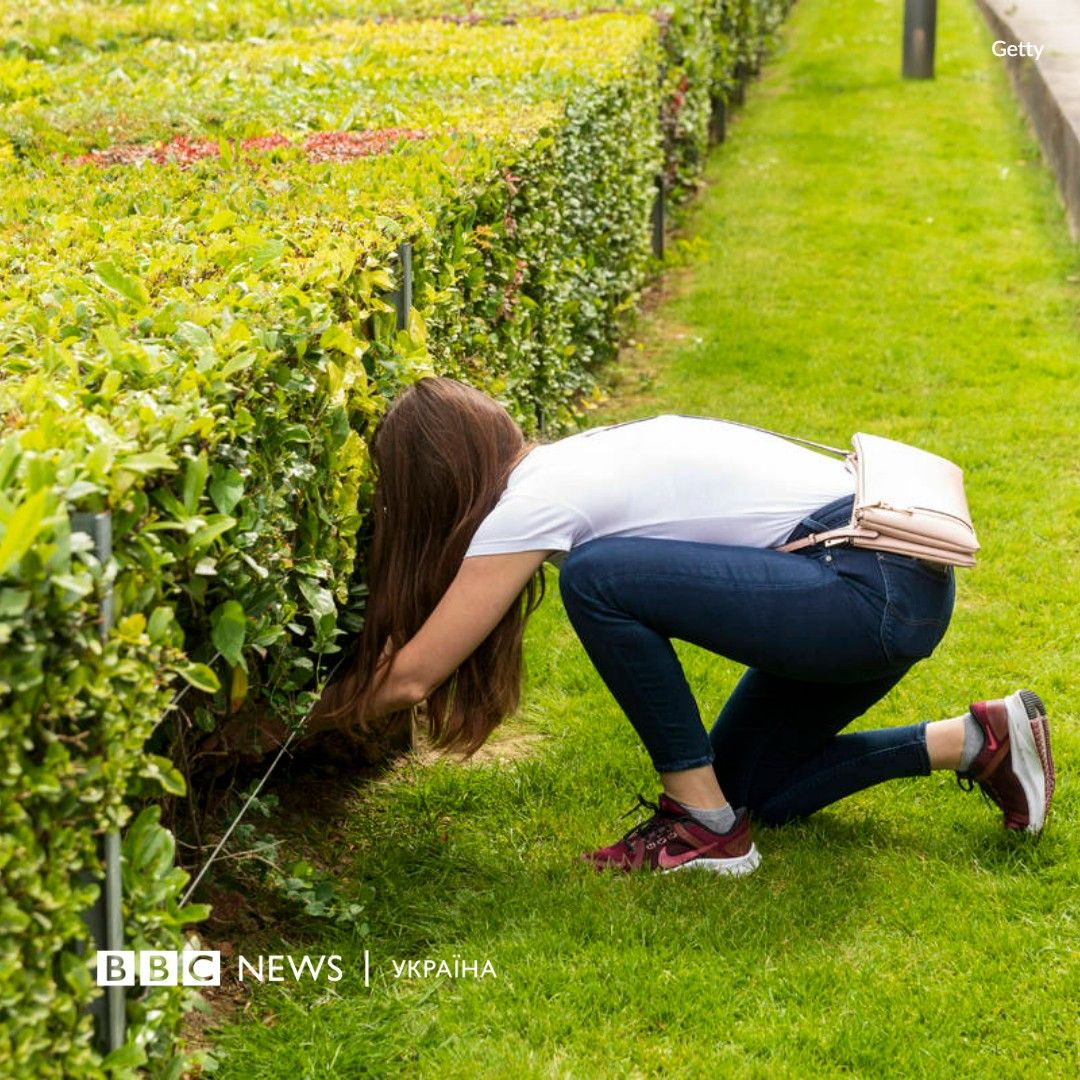
Ukrainian refugees cleaned up at the Cinquantenaire park in Brussels, Belgium.
This was reported by the news service BBC Ukraine. Relevant photos from the cleaning campaign were published on the publication's Facebook page.
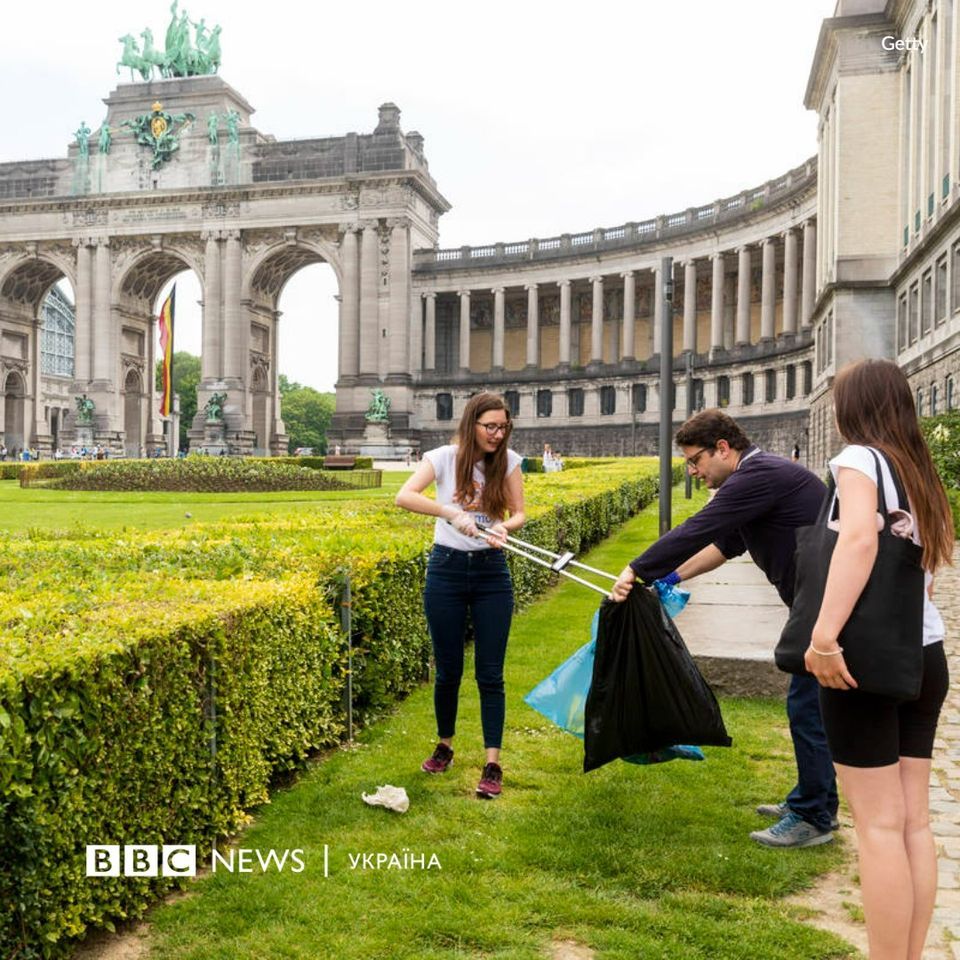 It is noted that the purpose of the action is to express gratitude to Belgium for its support and hospitality.
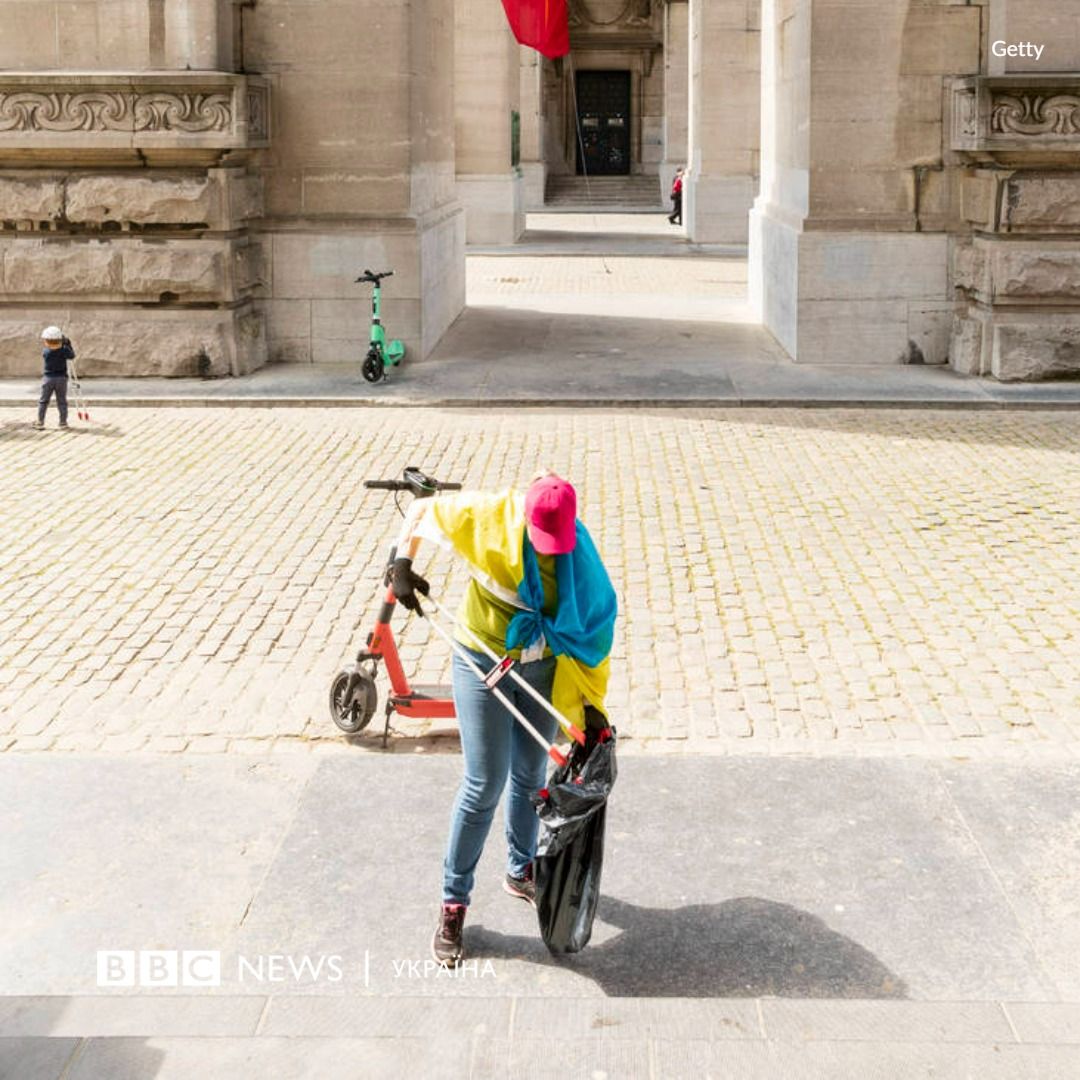 Ukrainians came to the fore last Saturday, June 4.
 Earlier EcoPolitics reported that in the Polish city of Suwalki (Podlaskie Voivodeship) more than 30 refugees from Ukraine cleaned the city park and boulevards - so they decided to thank the Poles for the shelter.
We will remind also that in the Czech Republic three Ukrainian families, as a sign of gratitude for kindness and a warm shelter, arranged Olomouc Lake.