On Wednesday, May 18, in Brussels, the European Commission (EC) will present a plan to reduce the EU's dependence on Russian energy resources until 2027, which includes new, more ambitious targets for the use of renewable energy sources (RES) and energy saving.
Energy independence from the Kremlin will cost the EU €195 billion in additional investment over the next five years, reports Financial Times.
The European Commission noted that by 2030, 45% of the energy in the EU should come from RES instead of the previously planned 40%. This would increase the clean energy capacity to 1236 GW from the current 511 GW.
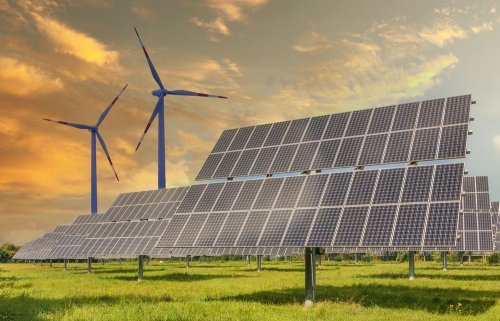
According to the project, by 2028 the capacity of solar power plants should be more than doubled to 300 GW.
In doing so, the Commission relies on climate-friendly hydrogen, which, for example, is produced from green electricity.
Until 2030, 10 million tons of "clean" hydrogen will be produced in the EU and the same amount will be imported. At the same time, by the end of the decade, it is proposed to reduce energy consumption by at least 13%, instead of the previously planned 9%.
As EU leaders rush to shed their dependence on Russian oil and gas following Russia's invasion of Ukraine, the proposals will be made public in the EU as early as this week. In particular, the European Commission believes that the EU can reduce Russian gas imports by two-thirds as early as 2022 and has called on member states to replenish their gas storage facilities before next winter.
As reported EcoPolitica earlier, also European Commission intends to submit a set of measures in the event of an emergency cutoff in Russian gas supplies.