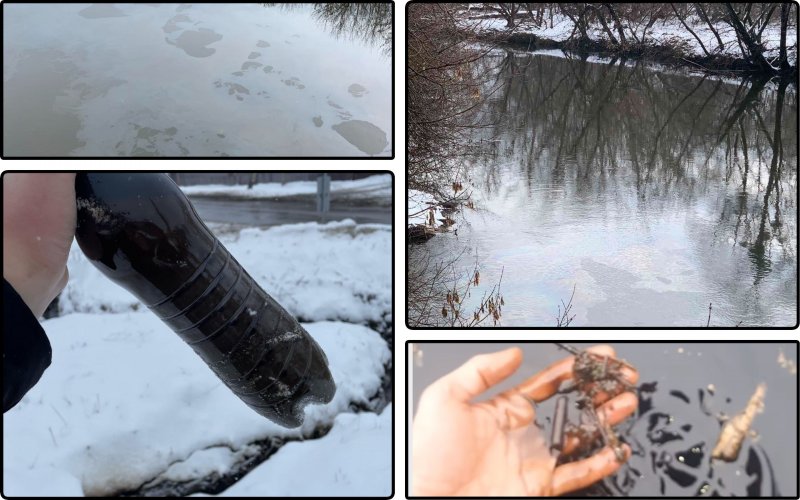
On February 9, about 3,000 tons of diesel fuel and gasoline fell into an oil depot near the Lopan, Nemyshlya, and Udy rivers in Kharkiv as a result of a hostile attack by kamikaze drones.
However, local authorities responded to the pollution, which could lead to an environmental disaster, four days later, environmental activist Artem Prykhodko wrote on Facebook.
"Why did you wait 4 days? Why? It was possible to save at least other rivers Lopan, Udy. Why didn't they immediately begin to localize the consequences?" he wrote.
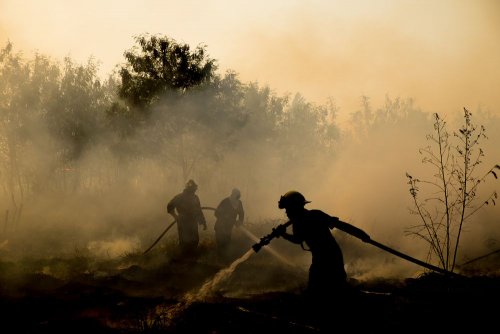
Prykhodko noted that on February 9, an enemy drone attacked an oil depot, where a large-scale fire broke out. Seven people died, including three children, and 50 people had to be evacuated.
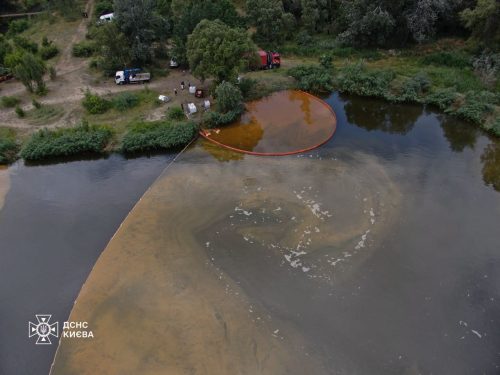
According to eyewitnesses, the explosion sprayed fuel and lubricants onto roofs, trees, and yards. A large amount of fuel got into the Nemyshlyansky quarry, and from there into the Nemyshlya, Lopan, Udy rivers and may end up in the Siversky Donets.
The eco-activist emphasized that such pollution can kill all inhabitants of the aquatic environment – fish, ducks, beavers, muskrats, etc. It can also endanger people who use water from wells around these rivers.
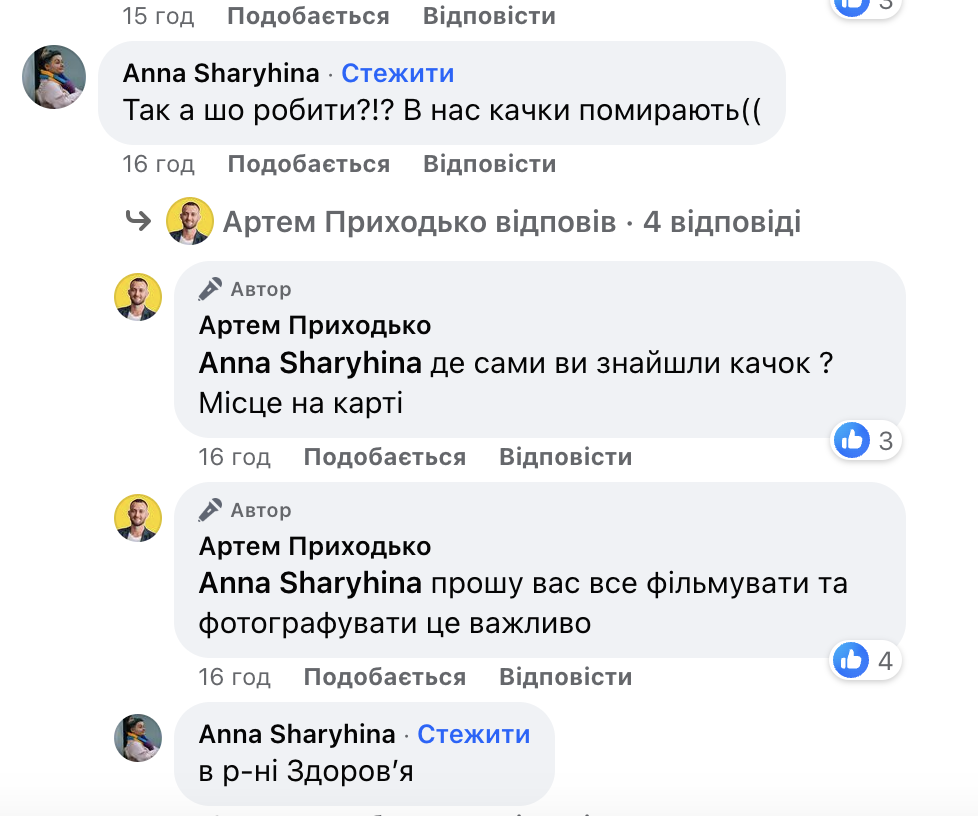
In a discussion on social media, Kharkiv resident Anna Sharygina said that ducks have already died in the Zdorovye district.
"As of now [the evening of February 12 – ed.] in Zhykhor and Babai, residents are already complaining about the terrible stench," Prykhodko wrote.
According to the head of the Investigative Department of the National Police Serhiy Bolvinov as a result of the attack, more than 10,000 m2 of land was contaminated. Currently, the case is classified as a violation of the laws of war, but the issue of registering proceedings under the article of ecocide is being considered.
The Kharkiv Regional Military Administration said that oil products did not get to sources of drinking water and all specialized services are working on liquidation of the consequences.
Yes, eco-inspectors took water samples at 9 facilities for laboratory research.
"An algorithm of actions to prevent the movement of harmful substances along the Udy River, which flows into the Siverskyi Donets River, has been developed," the press service said.
It is noted that a place has also been identified on the Uda River, where barriers will be installed to stop oil spills and water disinfection will be carried out.
As EcoPolitic reported earlier, in Kharkiv as a result of an attack by "shaheed" drones on the evening of February 9, oil products from the storage base for fuel and lubricants entered the Nemyshlia and Lopan rivers. Water from the Nemyshlia River turned black due to pollution.