The EU has called for nature restoration to be considered a factor in national security. Forests, wetlands, and other geographical features can become significant obstacles for enemies. At the same time, natural barriers can mitigate weather disasters such as floods and droughts.
According to The Guardian, this was stated by EU Commissioner for Environment, Water Resilience and the Circular Economy Jessica Rowe.
"Investing in nature and using it as a natural border control is necessary and actually increases biodiversity. It's a win-win situation for everyone," the European Commissioner emphasized.
A barrier to the enemy
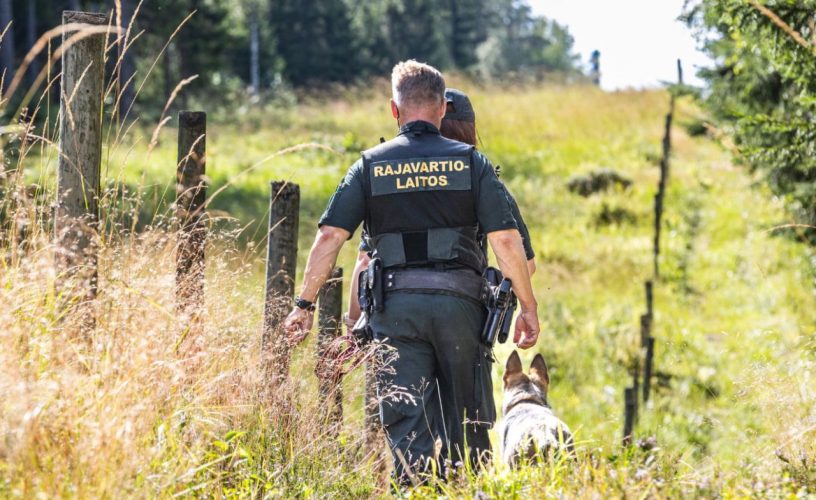
Finland and Poland are restoring wildlife on their borders with Russia and its allies. Rådvall said that nature is being left in its original state there, with trees and bushes, making it hostile and almost impassable. Wetlands, which are difficult for heavy equipment to traverse, can also be an effective barrier.
The Commissioner wants EU countries to recognise that nature is their defensive asset. Failures in the environmental sphere meanwhile have negative consequences for national security. The importance of understanding nature’s impact on food and water supply is also growing.
Overcoming the water crisis
Mitigating natural disasters is a factor in both security and civil protection. Nature itself can reduce the impact of floods and droughts, simultaneously acting as a “sponge” for excess water and as a “humidifier” in case of shortages.
Many regions in Europe are currently experiencing an absolute water crisis. Lack of water, insufficient rainfall, and pollution-these factors differ in scale across various parts of the EU, yet they are present everywhere.
This is why Jessica Roswall believes that the restoration of natural ecosystems, particularly wetlands, is an important contribution to overcoming water shortages.
“We need to invest in nature. Water is the clearest example. If we do not have water, we do not have security. Look at Ukraine, where water infrastructure is under attack. It is vital to invest in infrastructure and to protect it,” she said.
At the same time, water quality is deteriorating due to industrial pollution, especially from “forever chemicals.” The risks these compounds pose to health became known relatively recently; consequently, their circulation and use are not yet as strictly regulated as required.
The Commissioner stated that the cosmetic and pharmaceutical industries are potentially the largest polluters, and they should pay for purification. However, the range of polluters could be even wider, meaning governments may also have to take on part of the work.
“We are not retreating from efforts to reduce greenhouse gas emissions and protect nature. We are doing this in an environmentally friendly and transparent way. We are focused on implementing environmental standards, but we need to make this process effective and straightforward,” Jessica Roswall emphasized.
EcoPolitic reported that a series of legislative documents are being developed in Ukraine to protect wetlands. In particular, these areas are to be granted special status and their use in economic sectors will be restricted.