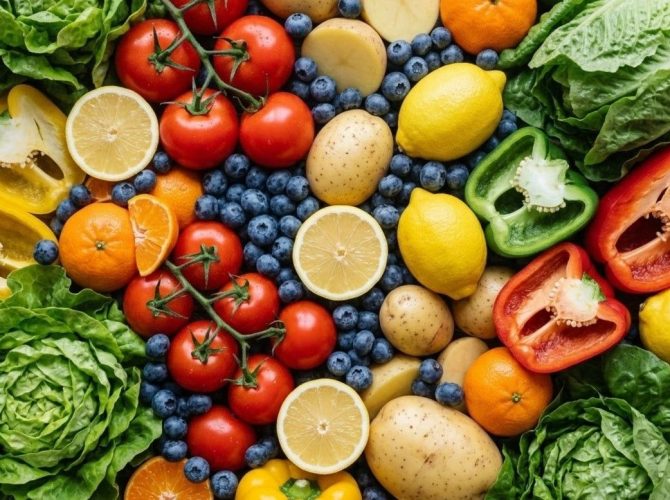
Global warming is not just a topic for intergovernmental discussions and strategic legislative reviews. It has consequences that everyone in the world feels. One of the dimensions is fruit and vegetable production, which is becoming increasingly difficult to grow due to heat and weather instability, directly affecting the availability and price of goods.
According to the EastFruit platform, industry analysts assure us that climate is already determining crop yields, the geography of crop cultivation, and investor decisions. The media has prepared a list of crops that are most vulnerable to change and may increase in price.
Tomatoes
Tomatoes are one of the crops most sensitive to heat. If the temperature rises above 35 °C, the intensity of fruit formation decreases.
The key suppliers of this crop are the Mediterranean countries. They have already faced challenges such as droughts and water shortages for irrigation. That is why the growing area is gradually shifting to the northern regions of Europe. This also stimulates investment in greenhouse technologies.
Potatoes
This vegetable is a staple in the food basket in many countries; however, hot soil and a lack of water significantly reduce its yield.
In European countries, droughts have already led to production cuts of millions of tonnes. Farmers in South America are planting this crop further up in mountain regions. In the future, such changes could lead to higher prices and increased interest in more resilient varieties.
Citrus
In this case, heat is combined with plant diseases, which together can result in substantial structural changes in the global market, shifting production to new regions.
A clear example of issues in this segment is the decline in orange production in the United States and the decrease in global stocks of orange juice.
Berries
This is quite a dynamic segment, but it is also exceptionally sensitive to climate change.
The rise in blueberry prices, for instance, is due to abnormal heat in Peru-the main exporter of this crop. The sector is highly dependent on the premium market segment, which also affects retail prices.
Peaches and stone fruits
These crops have traditionally been considered very sensitive to temperature changes and weather fluctuations.
In certain regions, Europe loses up to 70% of its harvest solely due to spring frosts. This leads to increased price volatility, making investment in protection systems inevitable.
Root vegetables
All crops grown in open fields are acutely dependent on water.
Thus, global disruptions in pepper supplies and rising prices for processed products are caused by droughts in Mexico and North America.
Greens
Seed production is crucial for growing leafy vegetables. However, due to extreme weather, the production of lettuce and other seeds has been disrupted, which at any moment could trigger a chain reaction in the market.
Carbon impact
An additional cause for concern is the effect of CO2 on product quality and nutritional value. Scientific studies provide discouraging conclusions-the higher the level of carbon dioxide, the less zinc, iron, and protein the plants contain.
“We are already witnessing a shift in agro-climatic zones, which opens up the potential for expanding the cultivation of berries, vegetables, and orchard crops in regions where this was previously less efficient. At the same time, the key factor in competitiveness will be the speed of technology adoption-irrigation, crop protection, resilient varieties, and modern production management systems,” notes Kateryna Zvereva, Development Director of the Ukrainian Fruit and Vegetable Association and an international fruit and vegetable market expert.
EcoPolitic previously reported that global warming is exhausting the global coffee market. Due to heat and its impact on coffee trees, over the past two years, prices for arabica and robusta beans have almost doubled.