Global warming, deforestation, water pollution, and ruthless hunting for the black market. Due to these factors caused by humans, more and more of our neighbors on the planet are at risk of joining the list of extinct species.
The international charity Fauna & Flora has published its list of animals and plants that need to be given special attention so that they are not lost forever.
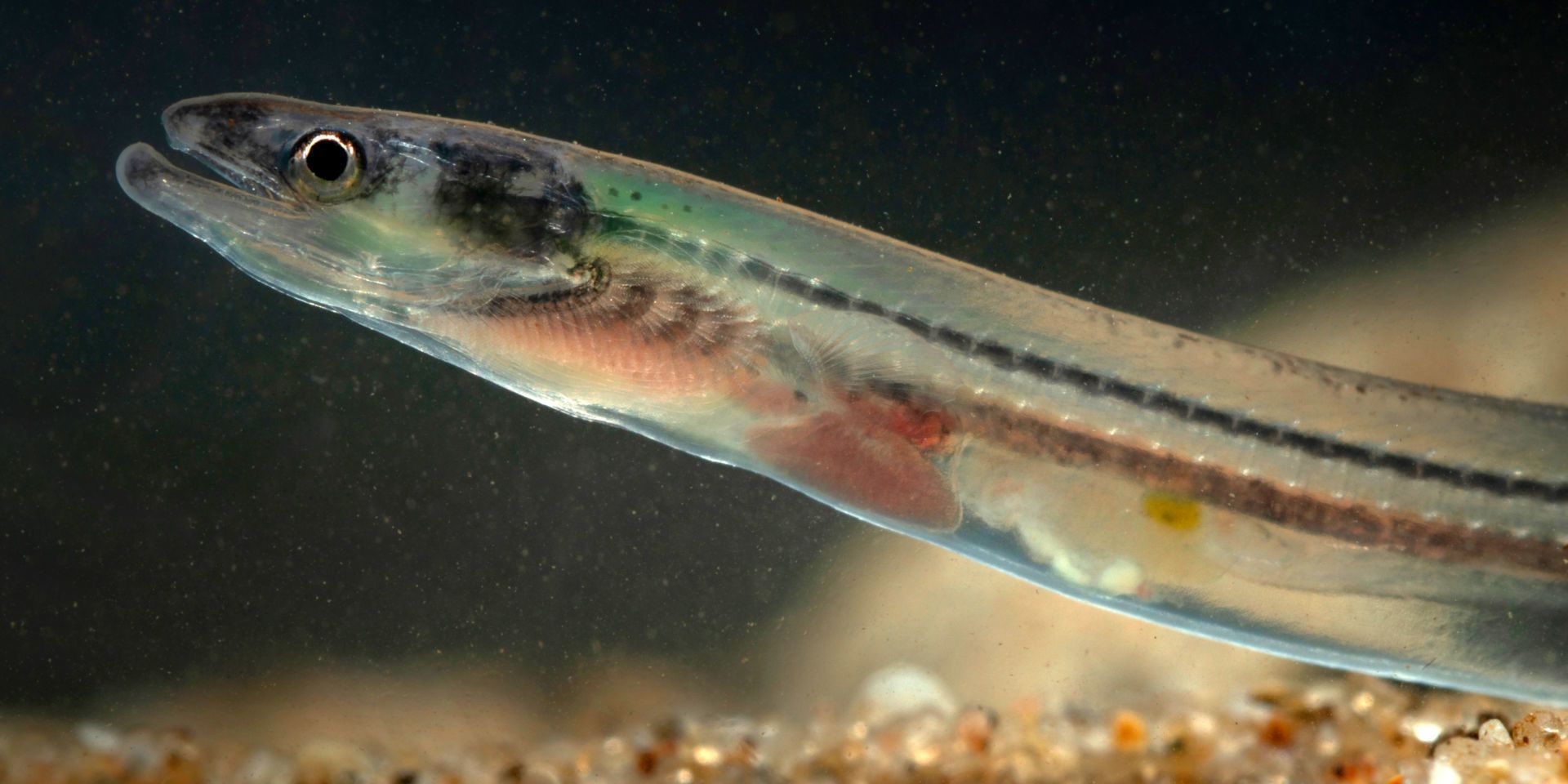
European eel (Anguilla anguilla)
Source: fauna-flora.org
Previously, this species was widespread throughout Europe. Now it is at risk of extinction – in the UK alone, the population has declined by 95% in a quarter of a century.
The reasons are sad and banal – overfishing, illegal trade, and human impact on the species' habitat – pollution and fragmentation.
Eels are a valuable part of the food chain, feeding many creatures. Their disappearance will affect the diet of otters, bullheads, and other fish-eating animals.
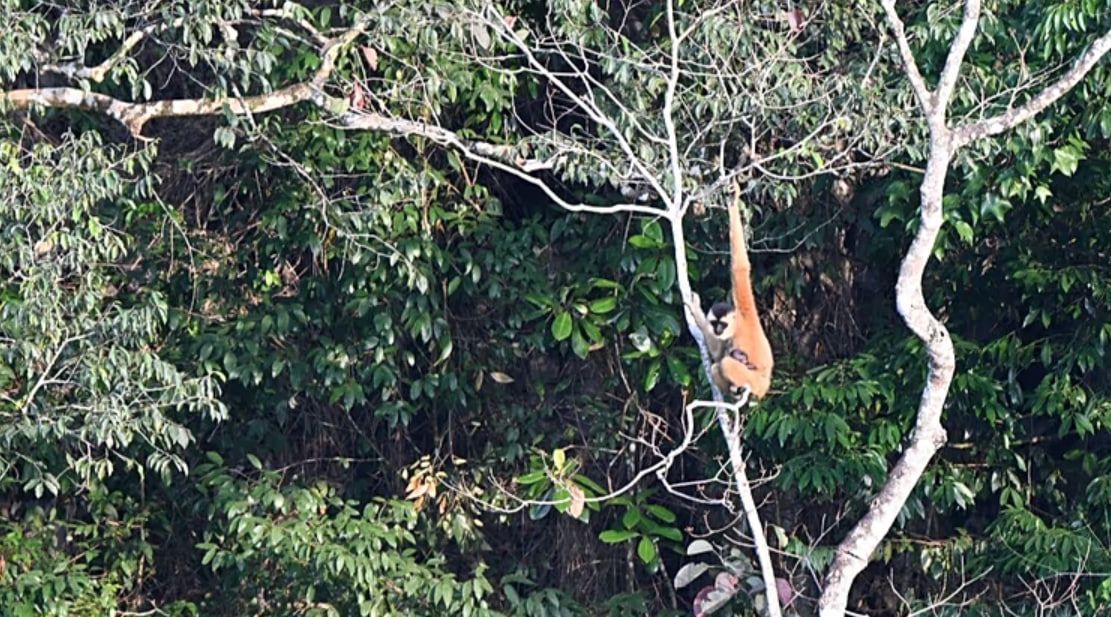
Eastern black-capped nomascus (Nomascus nasutus)
Source: fauna-flora.org
These primates from the gibbon family had previously caused concern among scientists due to their probable extinction, but in 2002 they were spotted again in their natural habitat.
A second miracle may not happen. There are just over 70 animals left, and they may become extinct due to inbreeding and loss of genetic diversity.
Indian rainbow tarantula (Cilantica devamatha)

Source: fauna-flora.org
This spider, which appears almost metallic, lives only in the Indian state of Kerala. On one hand, there is degradation of tropical forests, on the other – illegal wildlife trade. These factors have raised the risk of complete extinction for this spider species.
Blackchin guitarfish (Glaucostegus cemiculus)

Source: fauna-flora.org
This amazing fish combines the features of a stingray and a shark. It lives in the Mediterranean Sea and the eastern Atlantic Ocean.
Low reproduction rates, combined with overfishing and destruction of its natural habitat, have led to a crisis in the existence of this species.
Temminck's pangolin (Manis temmincki)

Source: fauna-flora.org
Its habitat comprises relatively arid regions in southern and eastern Africa. This extraordinary creature can even walk on its hind legs while searching for food, using its tail as a counterbalance.
People literally treat it as livestock, illegally trading its meat and scales. This species, just like other pangolin species, faces the threat of extinction.
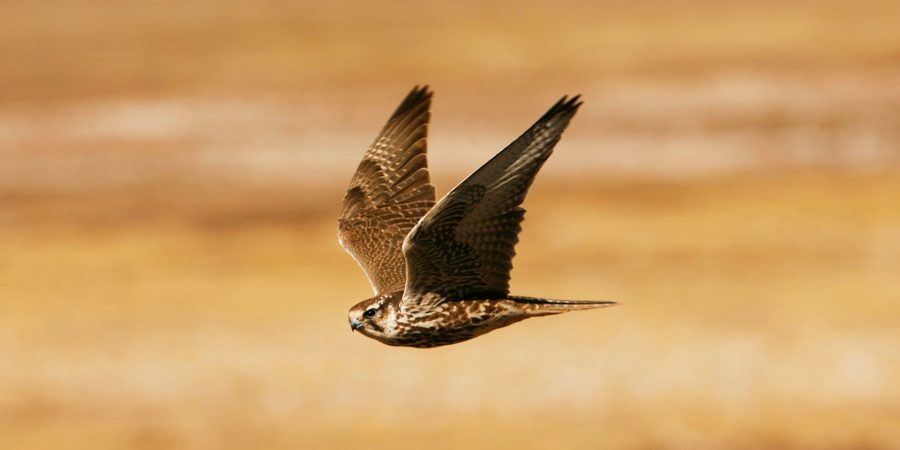
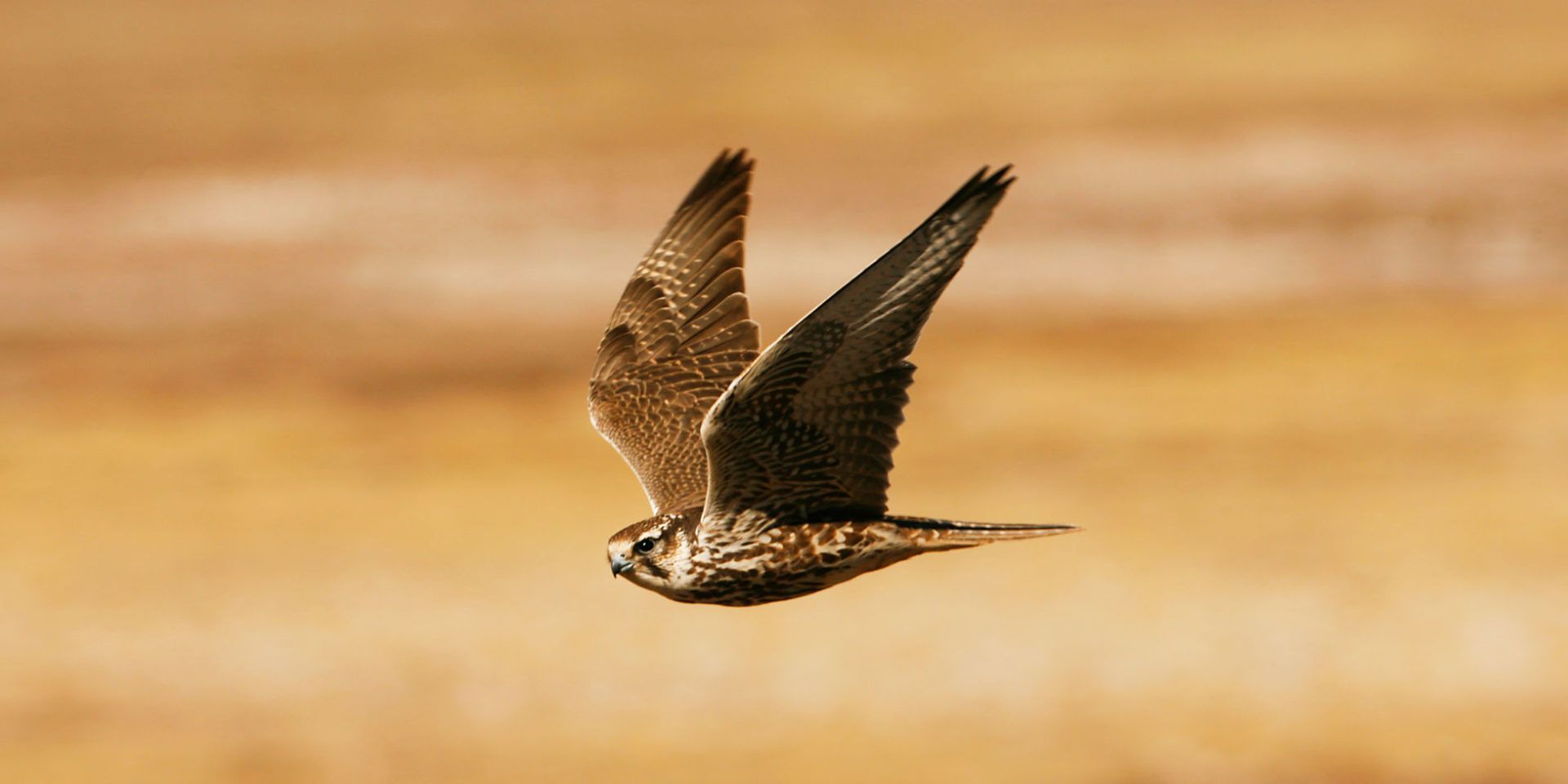
Saker falcon (Falco cherrug)
Source: fauna-flora.org
This is yet another victim of illegal trade in animals and birds. For thousands of years, falconry enthusiasts have highly valued this bird for its strength and lightning speed. Now, due to its popularity, its population is less than 30,000 individuals.
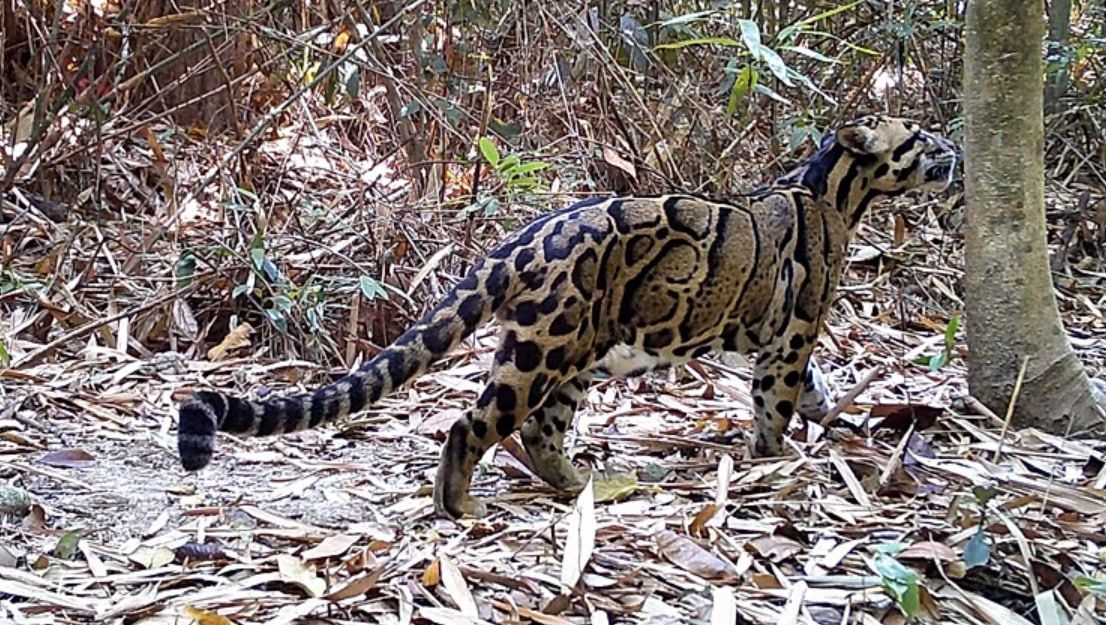
Clouded leopard (Neofelis nebulosa)
Source: fauna-flora.org
The luxurious color of its fur has played a cruel joke on this predator. It is hunted for its skin and sold on the black market as an exotic pet.
There is a belief that even the bones, fangs, and claws of this panther are valuable, which traders pass off as parts of a tiger's body.
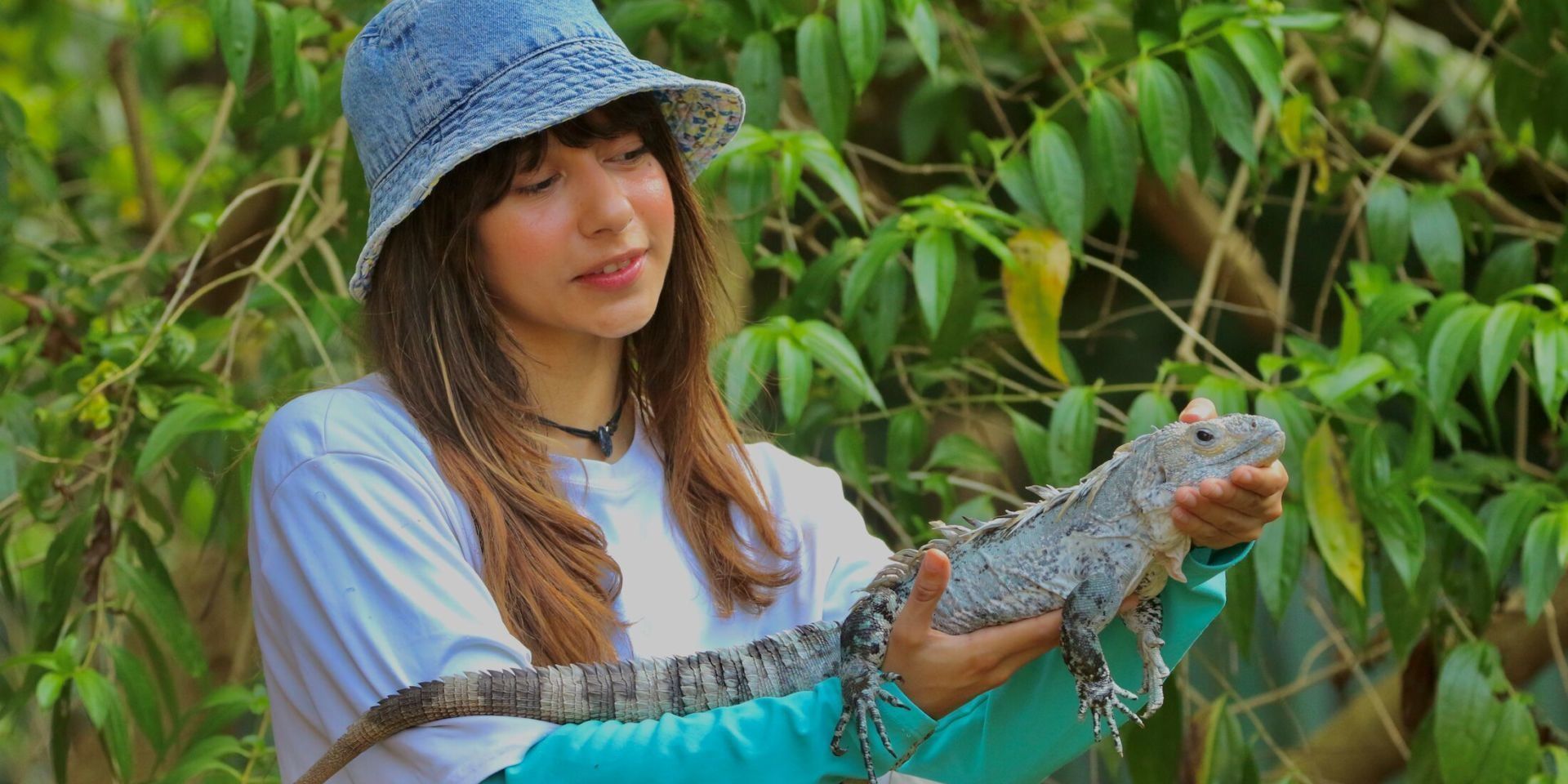
Utila spiny-tailed iguana (Ctenosaura bakeri)
Source: fauna-flora.org
This lizard is found only in mangrove forests. If these forests disappear, it may disappear as well. The iguana population is fewer than 14,000 individuals.
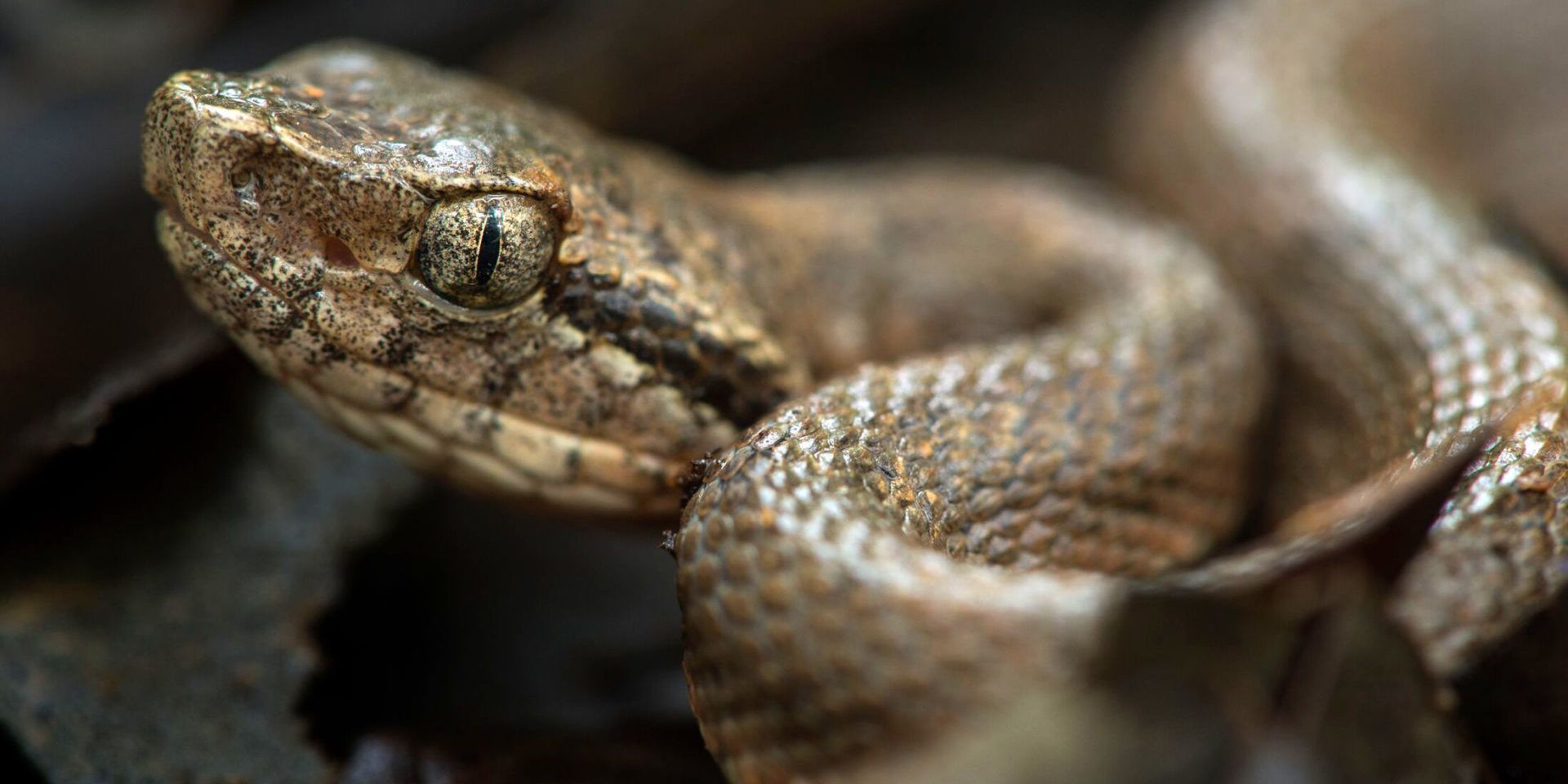
Pit viper, or Saint Lucia lancehead (Bothrops caribbaeus)
Source: fauna-flora.org
This is a very venomous and potentially deadly creature. It is an endemic species of the island of Saint Lucia in the Lesser Antilles.
The reptile falls victim to its “poisonous” reputation, although in reality, the species does not show aggression and can only cause harm when threatened.
Wild tulips
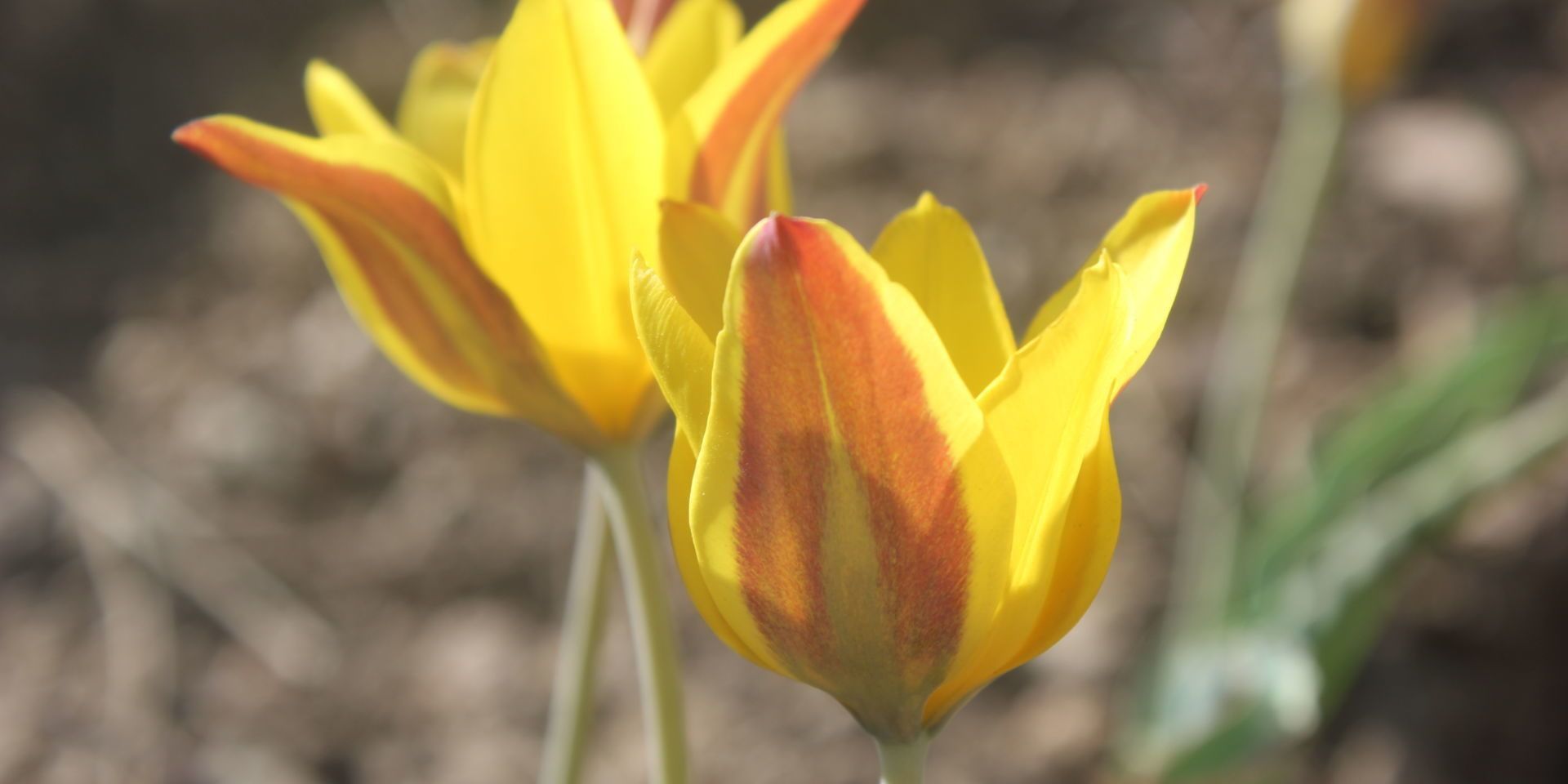
Source: fauna-flora.org
The ancestors of modern tulips originate from the mountains of Central Asia. In Kyrgyzstan, Kazakhstan, Tajikistan, and Uzbekistan, 63 species of these plants grow.
These flowers are now under threat. The reasons are climate change, excessive collection of wild plants, and urbanization.
Earlier, EcoPolitic published the best Ukrainian photos from the Wiki Loves Earth 2025 contest.
The winners of the Nature inFocus 2025 competition were also announced.