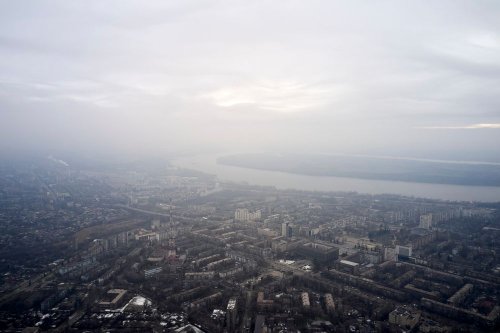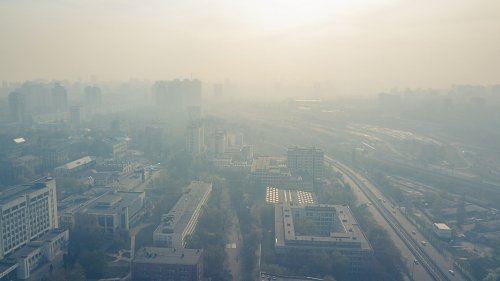
Eco-inspectors have calculated 47 billion 363 million hryvnias of damage caused by the war to the environment of the Kyiv region.
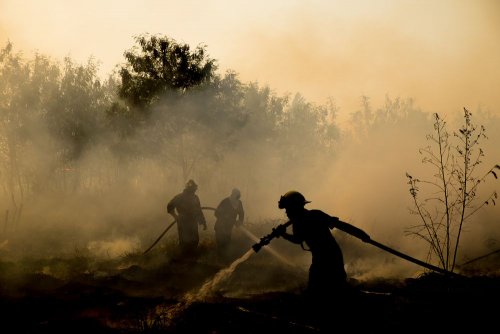
During the 8 months of the war, they recorded 97 events that had a negative impact on nature and caused direct damage to it, the State Inspectorate of the Capital District reports on Facebook.
It was noted that in 38 cases all information was collected and colossal damages were calculated, which the Russian Federation should pay to Ukraine for ecological crimes against the environment.
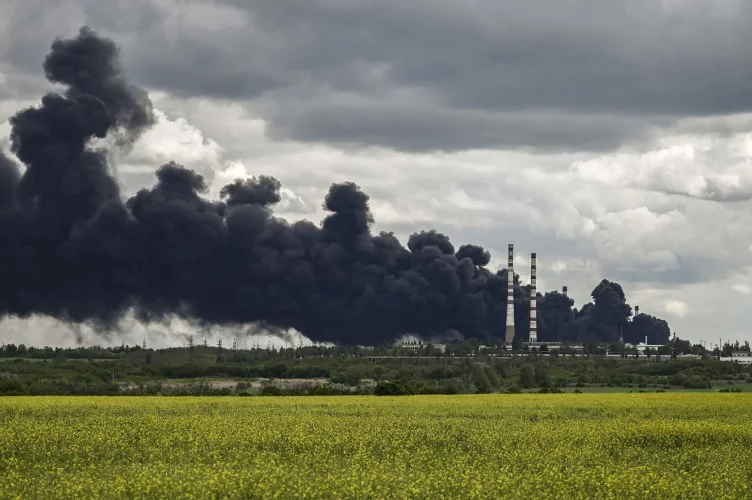
The greatest damage was caused to the atmospheric air of the region. Thus, due to the shelling of oil depots, warehouses, and industrial complexes, millions of pollutants entered the air of Kyiv. The total amount of losses reached 46 billion 775 million hryvnias.
"Looking at this, you understand that the environment is a victim of the full-scale invasion of the Russian terrorist state in Ukraine," the eco-inspectors emphasized.
Earlier, EcoPolitic wrote, that in the Kyiv region, eco-inspectors calculated more than 32 million hryvnias in damages from the fire, which arose as a result of Russian artillery shelling, at the "WEST GATE LOGISTIC" warehouse in the village of Stoyanka, Bucha district.
As EcoPolitic previously reported, in Kyiv, Russian missile strikes on one of the CHP plants on October 10 caused a large-scale clogging of an open plot of land with waste. Damage to the environment amounted to almost 21 million UAH.