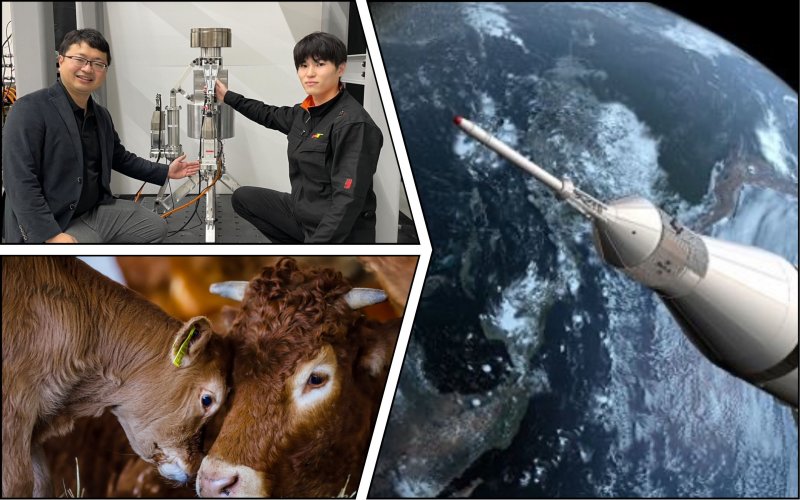
In Japan, the startup Interstellar Technologies has successfully tested a prototype satellite rocket engine that runs on biofuel derived exclusively from cow dung.
For 10 seconds, the prototype engine emitted a blue-orange flame 10-15 meters long, Euronews reports.
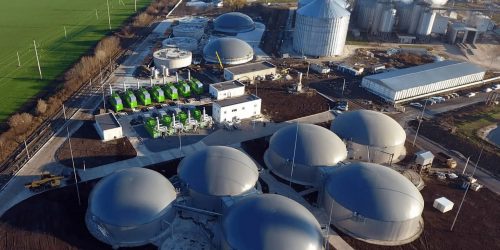
It is noted that the biogas was produced at local dairy farms. The startup's partner Air Water turned this biogas into rocket fuel.
"We're trying to build small rockets that can be launched often, not just once. In this sense, producing fuel with low environmental impact means we can build a rocket with low environmental impact. So we can build a rocket of a new system generation," said Interstellar Technologies CEO Takahiro Inagawa, adding that the technology is likely to be used worldwide.
Inagawa emphasized that using local fuel is very cost-effective.
The article said that in recent years, Japan's space sector had two failed missions. Now experts are planning to start a "new chapter" thanks to new technologies.
Biogas sales increase the farm's income by approximately 1%. In addition, climate-friendly fuel helps reduce the negative impact of agriculture on the environment. After all, the industry creates about 14% of global greenhouse gas emissions.
As EcoPolitic reported earlier, according to the European Biogas Association, in 2022 in Europe biomethane production increased by almost 20%, compared to 2021, and the production of combined biogas and biomethane reached 21 billion m3.