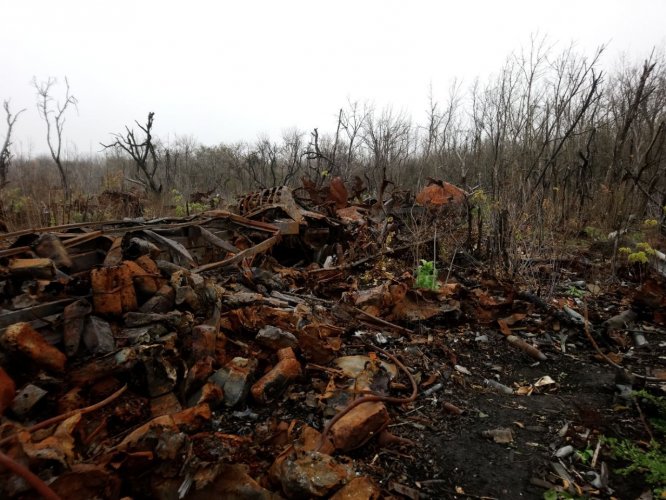
At the Climate Summit COP27, Deputy Minister of Environmental Protection and Natural Resources Yevgeny Fedorenko emphasized that in Ukraine the waste of war has already reached such a scale that it has not existed on the European continent since the Second World War.
More than 325,000 tons of waste were accumulated from the destroyed Russian equipment alone, the Ministry of Environment reports on Facebook.
Fedorenko emphasized that destruction waste, in particular from residential and transport infrastructure, creates a huge challenge for Ukraine.
He said that only in the de-occupied territories of Kyiv, Chernihiv and Sumy regions, about 15.2 billion tons of waste was generated from the destruction of buildings and structures due to the actions of the Russian Federation. In addition, more than 200,000 cars and trucks were destroyed in Ukraine, which are currently stored in specially designated places.
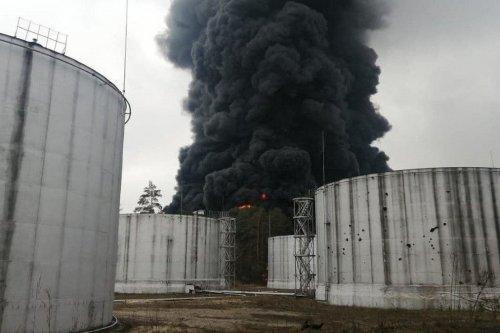
Fedorenko emphasized that the longer such waste remains on our land, the more damage it will cause to the environment, polluting the soil, water, and air, as well as creating additional emissions of greenhouse gases and affecting the climate
"We understand that the longer such waste remains on our land, the more damage it will cause to the environment, polluting the soil, water, air, as well as creating additional emissions of greenhouse gases and affecting the climate," he emphasized.
The message noted that currently Ukraine has developed the necessary legal acts for the effective management of war waste. Although some areas have already started to be cleared of them, the country does not have sufficient financial and technical resources to fully solve this problem.
"The help of partners and the assistance of international donors and projects is important and valuable here," the message emphasized.
Earlier, EcoPolitic wrote, that the Cabinet of Ministers of Ukraine approved "Procedure for handling waste from the destruction of buildings and structures", which were formed in connection with damage as a result of hostilities, terrorist acts, sabotage or liquidation of their consequences.
As EcoPolitic previously reported, the Minister of Environmental Protection and Natural Resources Ruslan Strilets said that Lithuania will help Ukraine in the processing of war-damaged buildings and other destruction waste.