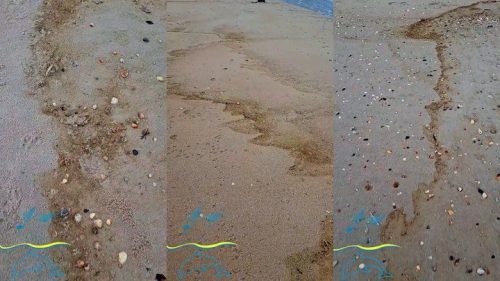
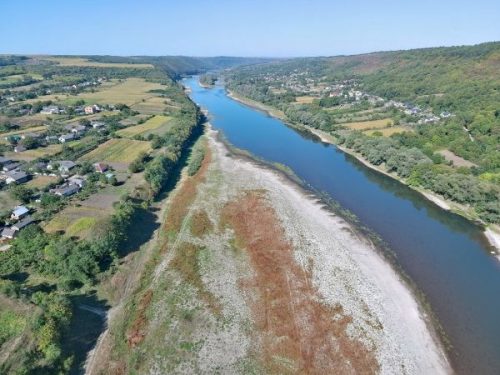
The occupiers finally filled up the Kalchik River in Mariupol

The occupiers finally filled up the Kalchik River in Mariupol t.me/andriyshTime
Katerina Belousova

The river was filled up during the repair of one of the bridges in the Kalmius district of the city

In Mariupol, the occupiers completely filled up the Kalmius River, and diverted the water supply through a pipe.

This could become a real ecological and natural catastrophe for both the city and the Sea of Azov, the adviser to the mayor of Mariupol, Petro Andryushchenko, reported in Telegram.

"Crime upon crime against humanity. Not with bombs, but with excavators. It is even difficult to imagine the damage," he emphasized.

The river was filled up during the repair of one of the bridges in the Kalmius district of the city.

Earlier, Andryushchenko said that the flow of the river is almost completely stopped, because of which the flora and fauna of Kalchik are doomed to perish. In addition, it will increase the salinity of the sea, thus creating favorable conditions for jellyfish and causing significant damage to fish populations.

As Ecopolitic previously reported, in Mariupol, in Donetsk region, the occupation authorities dismantled a brick mini-dam on the Kalchyk River, which protected the river from waterlogging. Now the flow of the river has slowed down, its waters have become gray-green in color and have a strong smell of decay, and Kalchik itself has begun to turn into a swamp.

Related
International Black Sea Day is marked on 31 October

During the war, the ecosystem is suffering the catastrophic impact of toxic and acoustic pollution

Chernihiv residents take over 100 animals into foster care after strike on veterinary centre

Temporary owners have been warned of possible difficulties with care, as the animals have been through severe stress

Six months after a Russian strike, oil has again washed up on the shore of a national park in Odesa Oblast

After storms, the substance may poison the sea sands for at least ten years

Rivers remain critically low: water abstraction restrictions have been extended for over 200 businesses

Water abstraction will resume once hydrological conditions have returned to normal, but not before the end of October