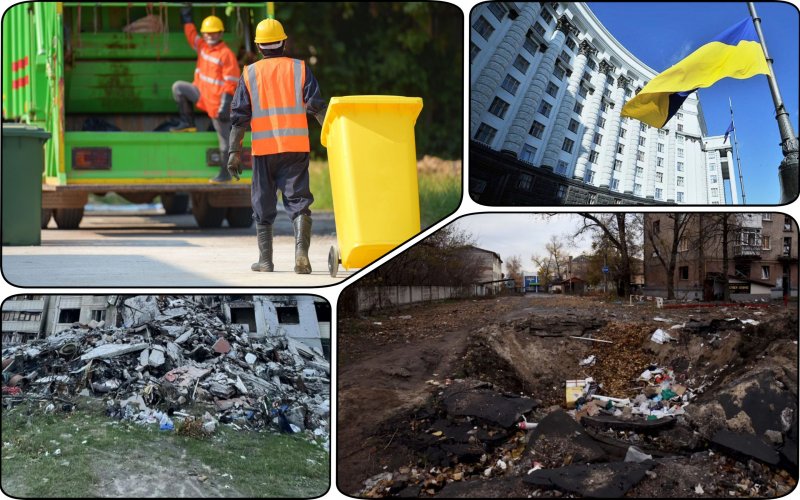
The Cabinet of Ministers approved the procedure for managing household waste in special conditions, in particular in active combat zones, during the liquidation of the consequences of emergency situations of a man-made, natural or military nature.
Thus, in areas where the possibility of garbage removal is limited, waste will be collected in temporary storage places, the Ministry of Environmental Protection and Natural Resources reports on Facebook.
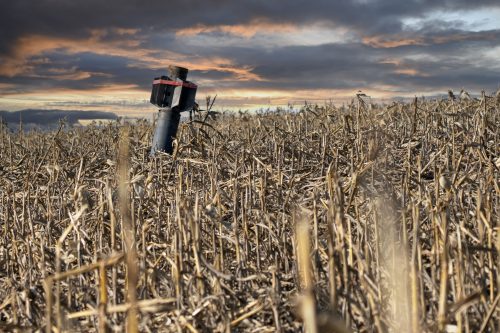
It is noted that systematic shelling continues in settlements where active hostilities are taking place, utility equipment has been destroyed, and roads and landfills have been mined. In such cases, the removal of garbage becomes difficult, and in some cases, it becomes impossible.
The message said that the document establishes an algorithm for dealing with solid household waste. The document specifies that:
- in territories where the possibility of garbage removal is limited, military administrations will organize places for their temporary storage (similar to places for collecting destruction waste);
- where there is no such possibility at all, temporary waste storage sites are proposed to be organized on the premises of multi-apartment buildings, public areas, enterprises, institutions, organizations, etc. In homesteads, summer cottages, and garden areas, waste must be collected separately by type and stored until the restoration of communal services or the adoption of separate decisions by military administrations.
"Today, the line of active hostilities in Ukraine reaches more than a thousand kilometers. Ukrainians live near the front, waiting for victory at home. We must provide them with proper living conditions. We must, without waiting for the end of the war, to ensure that work with household waste is organized in these territories now," said the Minister of Environmental Protection and Natural Resources, Ruslan Strilets.
He emphasized that as a result of the occupiers' detonation of the Kakhovskaya HPP, "big water" washed away about 4,000 tons of solid household waste from landfills and spontaneous landfills from an area of about 15 hectares. According to preliminary estimates, this caused losses of 28 million hryvnias.
"When the water drops to the previous level, large-scale cleaning of settlements will begin. The algorithm of actions determined by the Government will allow local authorities to effectively organize this work," said Strilets.
Earlier, EcoPolitic wrote, that in September 2022 The Cabinet of Ministers approved "Procedure for handling waste from the destruction of buildings and structures", that were formed as a result of hostilities, terrorist acts, sabotage or liquidation of their consequences.
As EcoPolitic previously reported, in Bakhmut, Donetsk region, from mid-October 2022 could not take out the garbage because the Russian occupiers are constantly shelling the city.