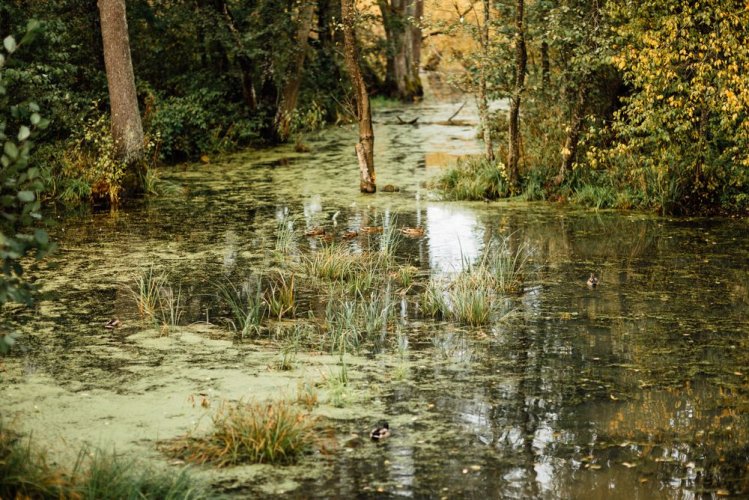
Wetlands and peatlands in Ukraine cover about one million hectares. As an important element of the climate balance, they require special use regulations. Therefore, Ukraine is currently consulting with the UNDP on the development of a national document on the special status of peatlands.
This was reported by the Ministry of Economy, Environment, and Agriculture.
The value of peatlands and wetlands
Wetland ecosystems are extremely valuable for maintaining climate stability. They are twice as effective as forests at storing carbon, making them one of the largest sources of this substance.
As previously reported by the State Environmental Inspection, 1 hectare of peatlands can accumulate up to 550 tons of CO2. If these lands are drained or peat is extracted from them, they will "release" almost 15 tons of carbon per hectare into the atmosphere annually.
At the same time, peatlands maintain the water balance by regulating the groundwater level. Like a sponge, they absorb floodwaters and return them when necessary. The harmonious "work" of peatlands reduces the risk of both floods and droughts.
Therefore, the only correct solution for protecting the environment is to preserve wetlands in their original state and protect them from human interference.
Mandatory elements of peatland protection
The draft resolution on the special status of peatlands provides for:
- a national inventory of wetlands and peatlands;
- establishing a clear list of target land uses permitted for such plots. All of these preliminarily exclude any intervention in the ecosystem. Such areas may belong to the natural reserve or water fund, as well as land allocated for historic and cultural, forestry, or health-related purposes;
- the creation of a new information resource, “Peatlands with Special Regimes”. Its development is planned as part of the base map of the State Land Cadastre. In land management, this will help account for ecological restrictions. Additionally, this information tool brings Ukraine closer to implementing European systems for land identification and management-LPIS and IACS.
However, the new peatland protection document does not provide for the annulment of previous decisions on changing the designated land use. Therefore, if these lands are already being used in economic activities, there are no legal mechanisms to safeguard them from human exploitation.
“The creation of a special legal regime for lands under peatlands offers a comprehensive response to climate, environmental, and security challenges. We are working on a solution that will simultaneously protect biodiversity, restore water resources, and comply with EU standards,” emphasized Deputy Minister of Economy, Environment and Agriculture Iryna Ovcharenko.
EcoPolitic has reported on egregious attempts to destroy wetlands and peat bogs for economic purposes.
For example, in the Lviv region, there was an attempt to convert a protected peat bog into a garage cooperative.
The land of the Makove Bog monument in Rivne region was sold at auction for peat extraction.
One of the most recent cases involves the future Kavy reserve, consisting of bogs and forests, which was also put up for sale for agricultural use.