Companies from Ukraine can raise funds for the implementation of sustainable projects, particularly in the field of renewable energy and environmentally friendly production. Funding is provided by the German Federal Ministry for Economic Cooperation and Development (BMZ). Businesses can receive up to half of the project cost through a grant. Applications must be submitted by March 31, 2026.
This is the develoPPP Classic program.
"The program supports companies that want to invest and expand their activities in developing countries, benefiting local communities. These can be projects involving employee training, the implementation of innovative solutions, the improvement of working conditions, and sustainable development standards," said the German-Ukrainian Chamber of Industry and Commerce.
Sustainability as a condition for participation
As reported by the Time for Change Development Center, the topics of projects eligible for funding are as follows:
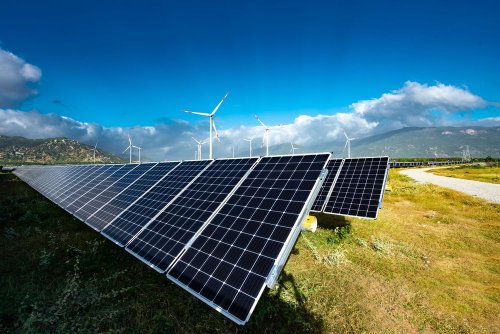
- Environmental and climate protection. This includes projects aimed at the development of renewable energy sources and increasing energy efficiency. Initiatives may also target resource and biodiversity protection.
- Sustainable supply chains. In this area, projects must involve investments in environmentally friendly production, workplace social standards, transparency, and certification.
- Gender equality. This refers to expanding employment and income opportunities for women, as well as strengthening the role of women leaders within the company.
The business idea must combine long-term interests and benefits for the country’s development and the resilience of local communities, aligning with the UN Sustainable Development Goals.
Which companies can participate?
The program is designed for private, profit-oriented companies. The country of registration must be Ukraine, a European Union member state, a member state of the European Free Trade Association, or a member state of the Organization for Economic Cooperation and Development (OECD).
To be eligible for grant funding, a company must have the financial and human resources to match the ambitions of the proposed project. Specifically, the requirements are as follows:
- a staff of at least 8 employees;
- a minimum annual turnover of €800,000;
- at least two verified annual financial reports (audits);
- a positive net income and sufficient equity to ensure the required contribution.
Technical or financial support for project implementation can range from €100,000 to €2 million. The company must contribute 50% of the project cost from its own funds.
EcoPolitic previously reported on which types of pollution Ukrainian businesses have paid the most environmental tax for.