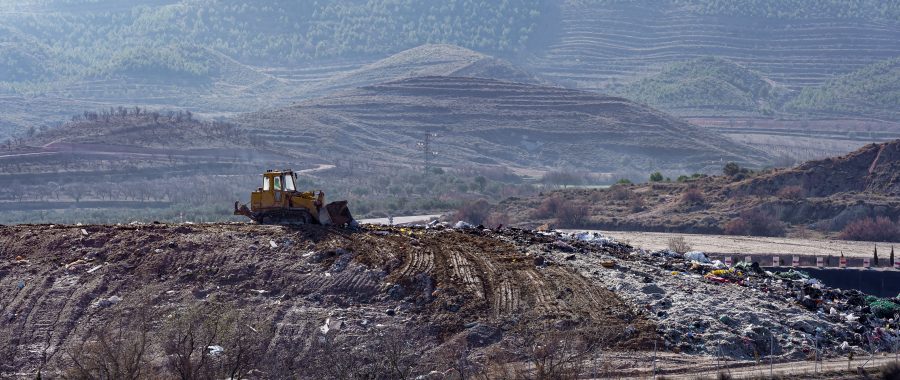
Ukraine is set to refine its environmental taxation regime relating to the disposal of waste from the extractive industries. The scope of the tax, the tax bases and the tax rates will be adjusted. A draft law containing the relevant amendments to the Tax Code has been published by the Ministry of Economy and Environment..
EcoPolitic has prepared an overview of the main provisions of the document.
The draft law "On Amendments to the Tax Code of Ukraine Regarding the Environmental Tax Levied for Mining Waste Disposal" was published on July 30, 2026.
Updated terminology
A number of special terms are planned to be incorporated into the Tax Code. These include mining waste, uncontaminated soil, placement of mining waste, and a facility for mining activity waste.
Changes to taxpayers
Certain business entities, after amendments to Article 240 of the Code, will no longer be required to pay the environmental tax for the disposal of waste. This refers to enterprises that store waste for no more than one year before transferring it for processing to waste management companies.
Adjustment of tax base and rates
The document proposes not to apply the environmental tax to uncontaminated soil and demolition waste that are kept at temporary storage sites for these types of waste. These will not be included at all in the calculated volumes of waste. These changes are stipulated in amendments to Article 242 of the Tax Code.
The draft law also proposes to establish new tax rates, which will depend on the class of waste. The coefficient for the tax rates will be changed for this purpose.
According to the document, environmental tax rates per 1 tonne of disposed waste will be as follows, depending on the class:
- hazardous waste excluding separate types – 25% of the minimum wage as of January 1 of the reporting tax year;
- separate types of hazardous waste – 7.5%. This applies to partially stabilized and solidified hazardous waste;
- non-hazardous waste excluding separate types – 2%;
- separate types of non-hazardous waste – 0.6% for stabilized and solidified waste;
- municipal waste and settlement infrastructure waste – 20%.
The environmental tax rate for the disposal of mining waste included in Group 01 of the National Waste List:
- hazardous waste – 0.3% of the minimum wage as of January 1 of the reporting tax year per 1 tonne;
- non-hazardous waste – 0.02% per 1 tonne.
Other changes
The draft law clarifies point 249.6 of the Code, which defines the procedure for calculating the tax for waste disposal. Article 250 is proposed to be clarified in the section naming permits and licenses, as well as waste operations.
For seven years after the cessation of martial law, it is proposed to gradually increase the environmental tax rate.
It should be recalled that EcoPolitica has prepared an in-depth analysis of the use of the environmental tax in the regions of Ukraine. You can learn how efficiently communities spend the funds from polluters at this link.