UAnimals announces applications for help with food for cats and dogs in Sumy region

UAnimals announces applications for help with food for cats and dogs in Sumy region shutterstock

Elizaveta Volkotrub

Applications are accepted until April 8 or until the supply of fodder runs out

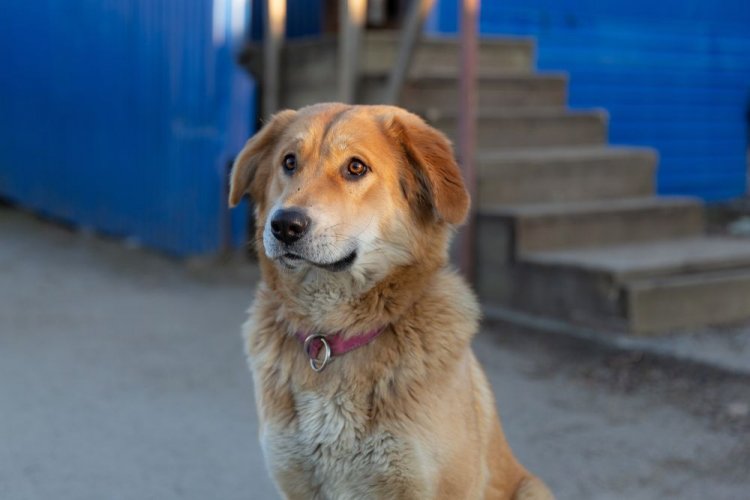
The charitable organization UAnimals announces the start of accepting applications for assistance with food for cats and dogs in the Sumy region.

Only those who have at least 5 cats or dogs under their care can apply. Preference is given to residents of towns and villages located near the border with Russia and suffering from shelling, UAnimals reports on Facebook.

According to the terms, officially registered charities, the military, IDPs, and pet volunteers who have not received support from UAnimals in the last two months can receive food.

Starting March 25, the application can be submitted via a chatbot on Telegram.

As EcoPolitic previously reported, a social initiative "Invite a cat to a housewarming party" was launched in Ukraine.

Related
New energy architecture: over 500 MW of renewable energy capacity was installed in Ukraine last year

Most new renewable energy projects include energy-saving systems to balance generation

In which regions of Ukraine is it prohibited to spend time in the woods?

In most regions, forest areas are completely off-limits to civilians

The Bern Convention Committee is demanding an explanation from Ukraine regarding the construction of the NMMC in the Markhalivsky Forest

The committee is also awaiting a plan of measures designed to compensate for the damage caused to wildlife

Rare sturgeons are returning to the Dnieper River after more than half a century of absence

Fish "sense" their historical habitat, and once the barrier posed by the dam is removed, they reintegrate into the ecosystem they once knew